Crete
Things to do in Crete
The two things Crete is most famous for are a Bronze Age palace and a gorge, and they sit at opposite ends of the island. Nothing on this page is walkable from anything else on it.
So sort these by kind rather than by rank. What follows is four different kinds of day, and the kind decides far more than the ranking does.
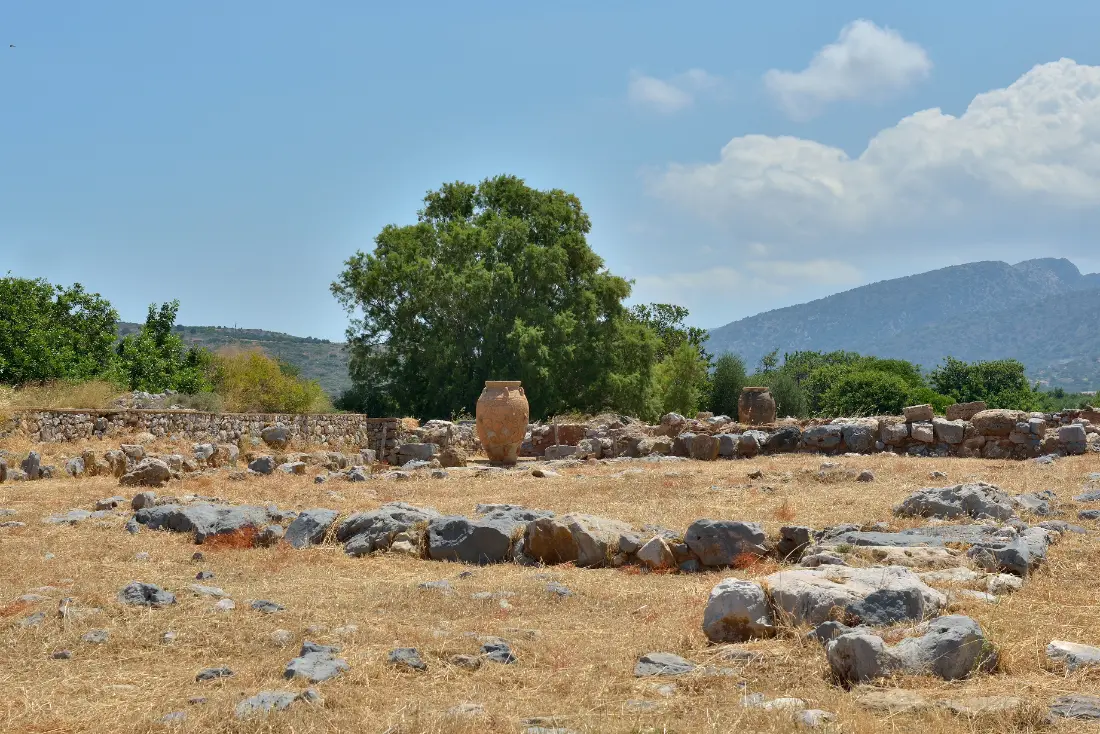
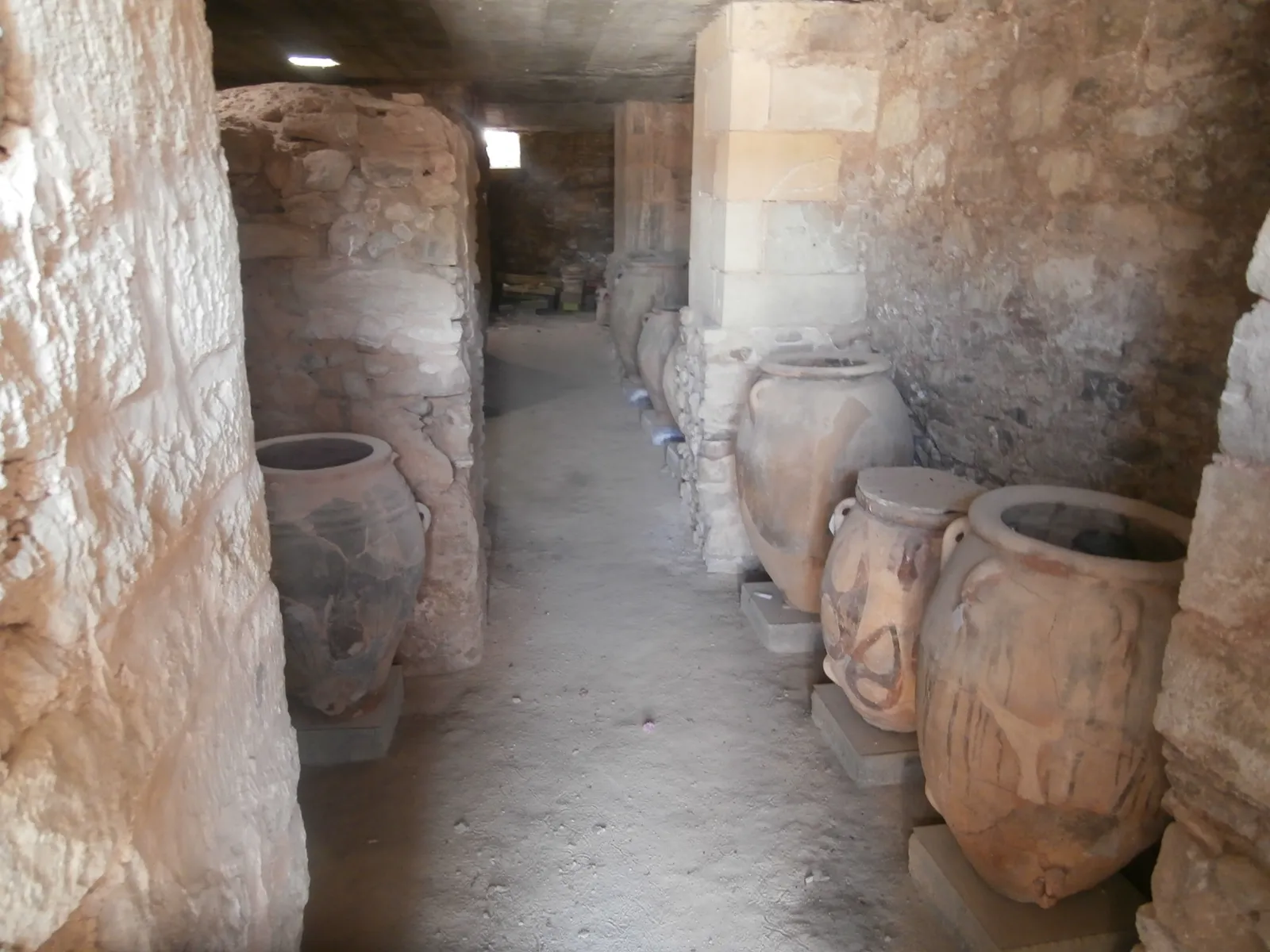
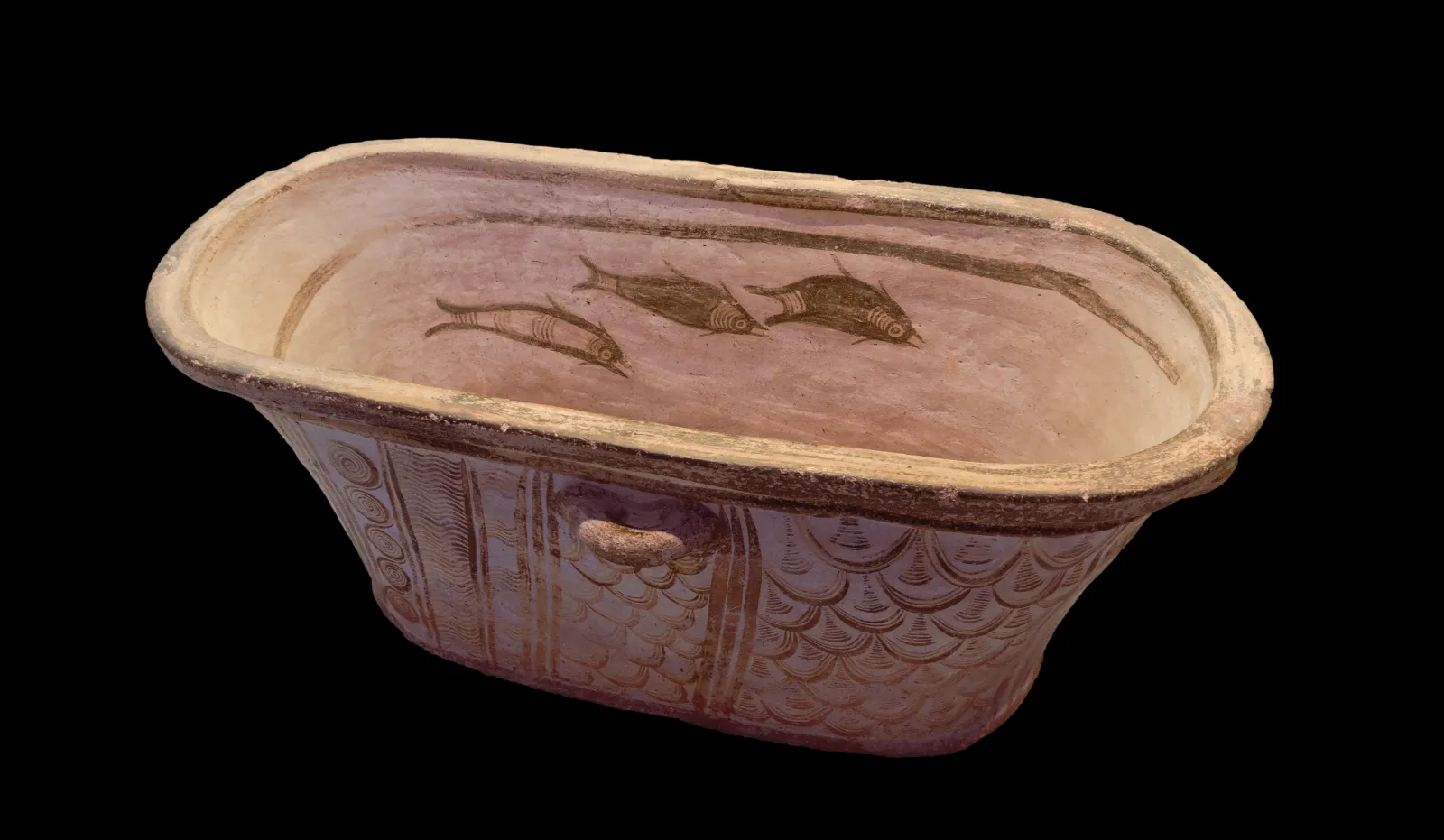
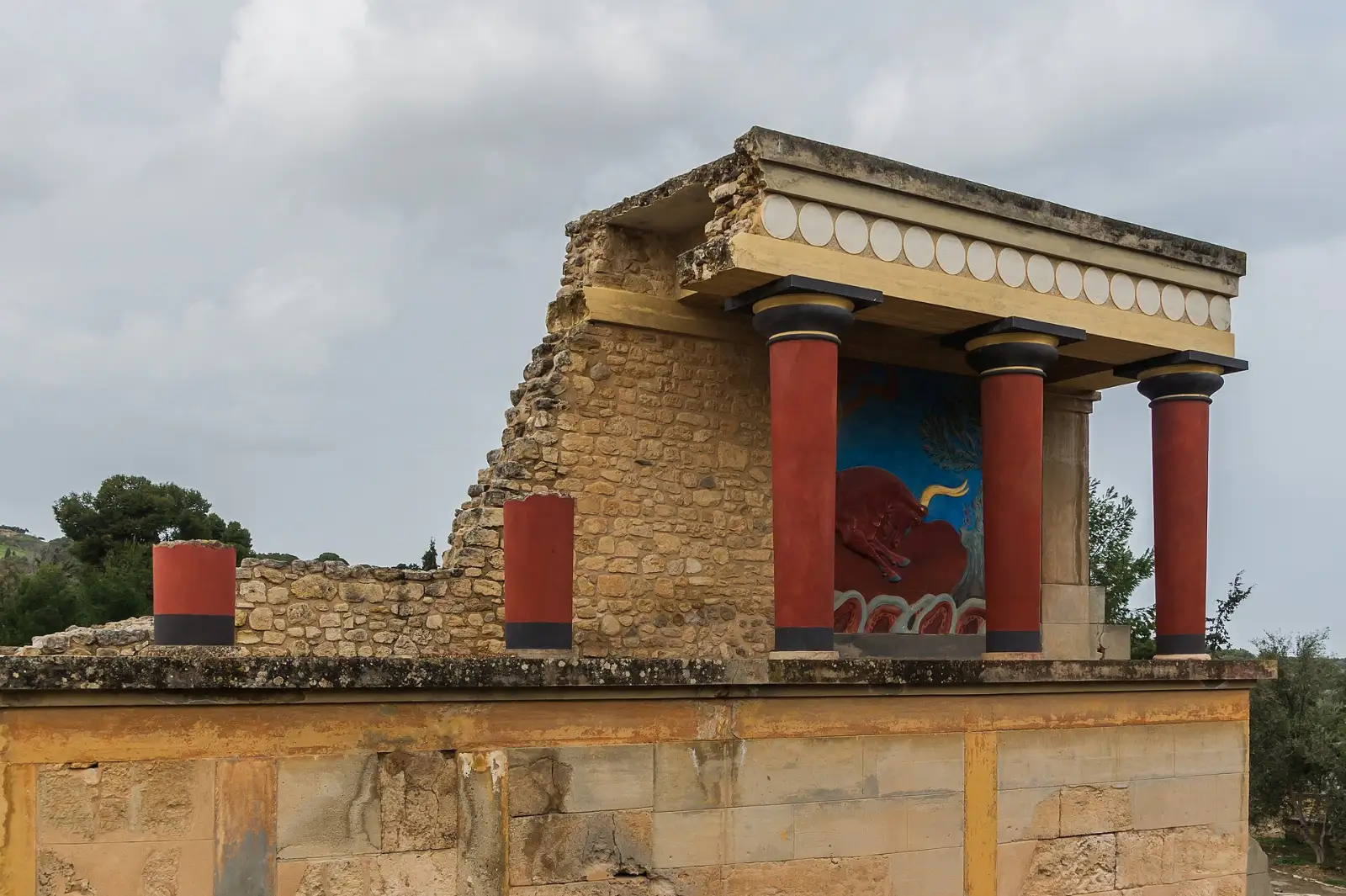
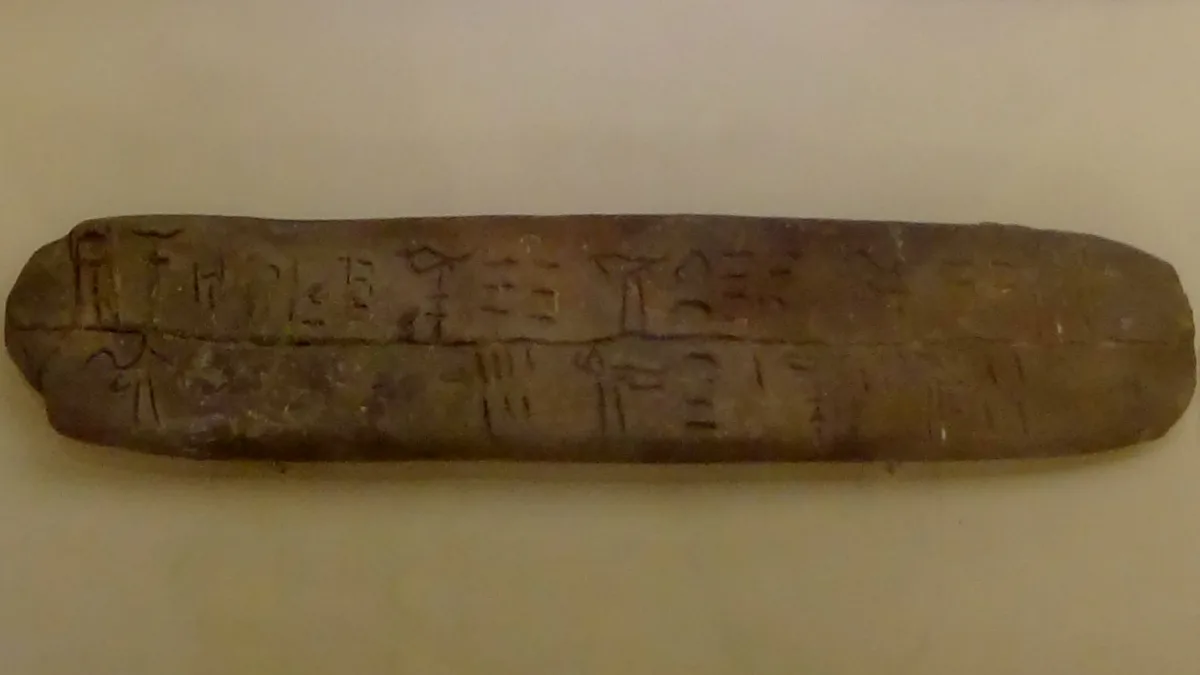
The Minoan half, which is two places. Knossos is the largest of the Minoan palaces, and on its own it is half a visit. The frescoes on its walls are reproductions. The originals, the pottery and the Linear B tablets are in the Heraklion Archaeological Museum, and the two are ticketed separately: the Ministry’s own record for the museum says the old combined ticket for the pair is no longer valid, so plan on two tickets. They do not have to be the same day, and knowing that rescues a hot afternoon. The other thing worth carrying up the hill: Arthur Evans did not only excavate this palace, he rebuilt parts of it in reinforced concrete from 1900, and where his argument ends and the excavation begins is genuinely contested. Some archaeologists read the concrete as an overwrite of the evidence, others as the only reason anybody can read the site at all. We do not adjudicate that. Knowing it is the difference between a confusing morning and a good one.
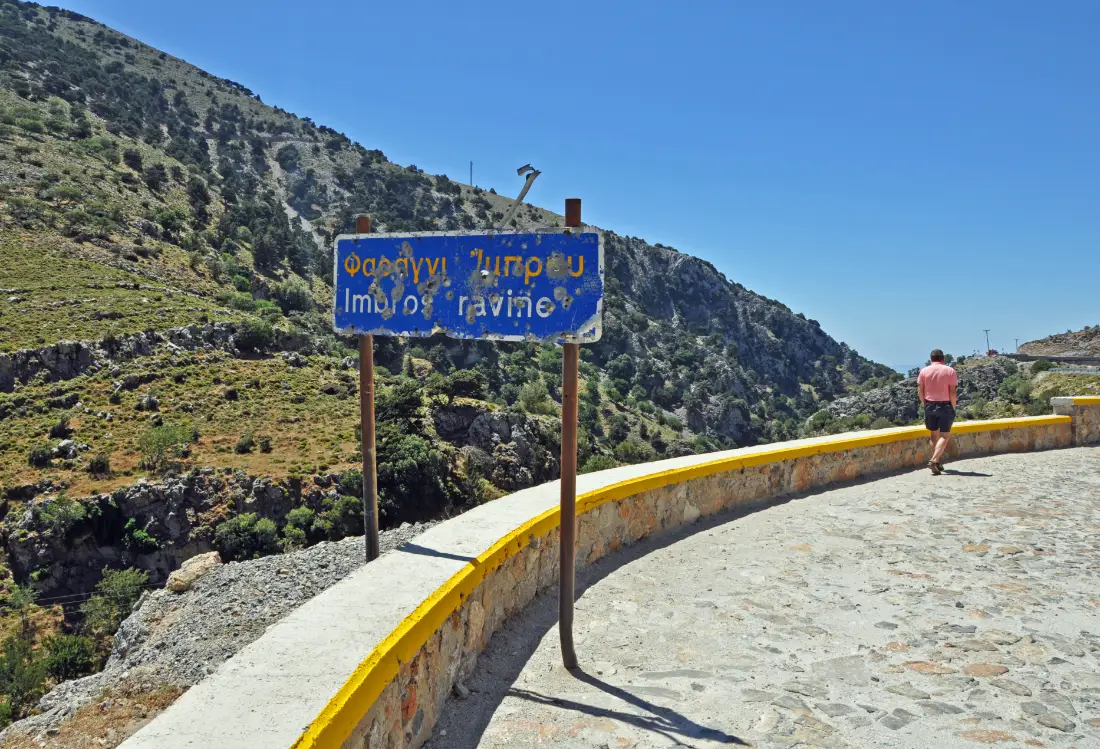
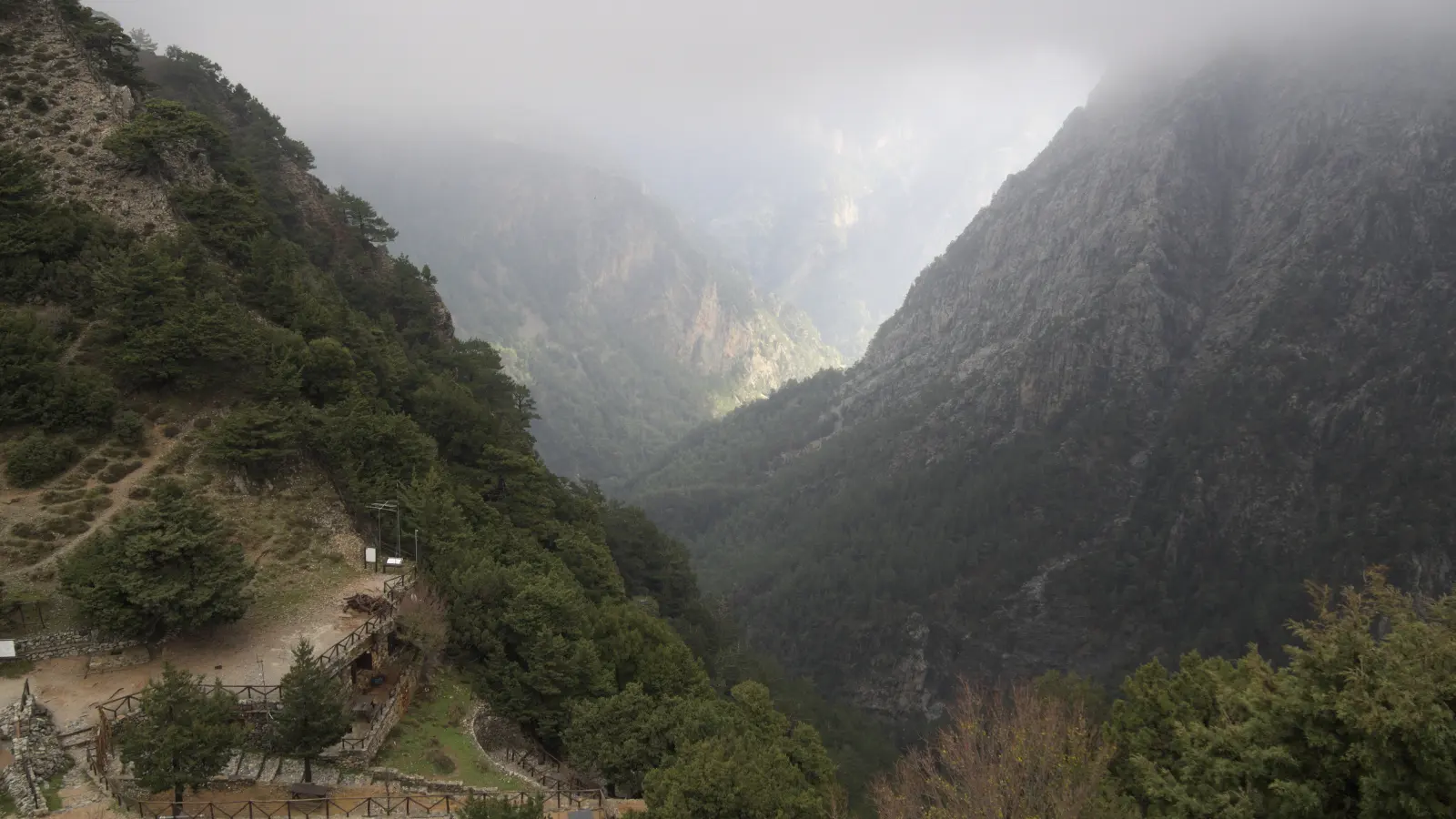
The walk that only goes one way. The Samaria Gorge is not a hike you turn around on. You descend through a national park to the Libyan Sea and finish at Agia Roumeli, a village that the boat operator serving it describes as having no road connection. The boat is how you get home, which means its departure is the deadline the entire day is built backwards from, and a slow group does not simply arrive tired. The season is a decision rather than a date: the park authority opens the gorge in spring, closes it in autumn and can shut it at short notice after weather. Neither the sailing nor the season is a thing to take from a travel page, this one included.
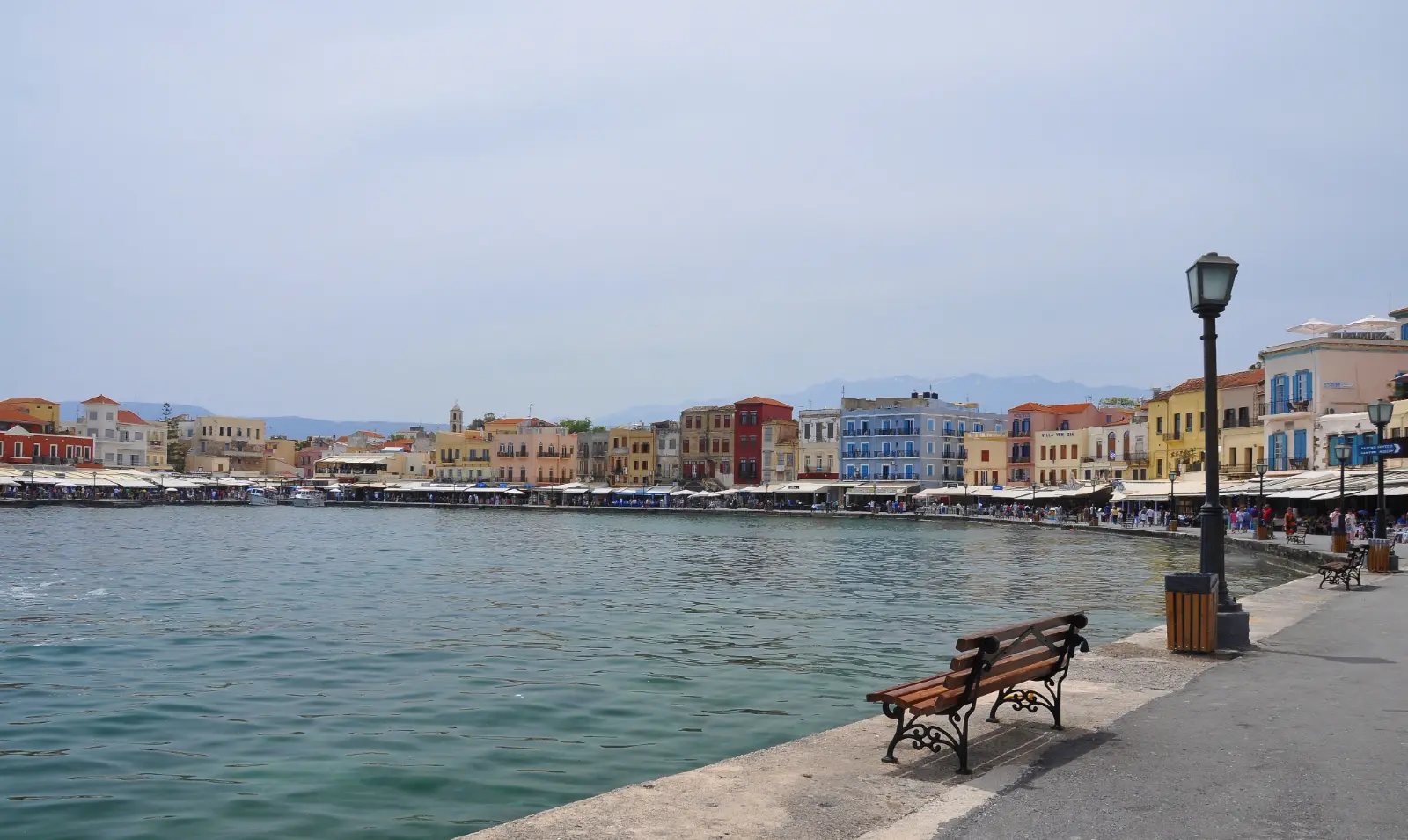
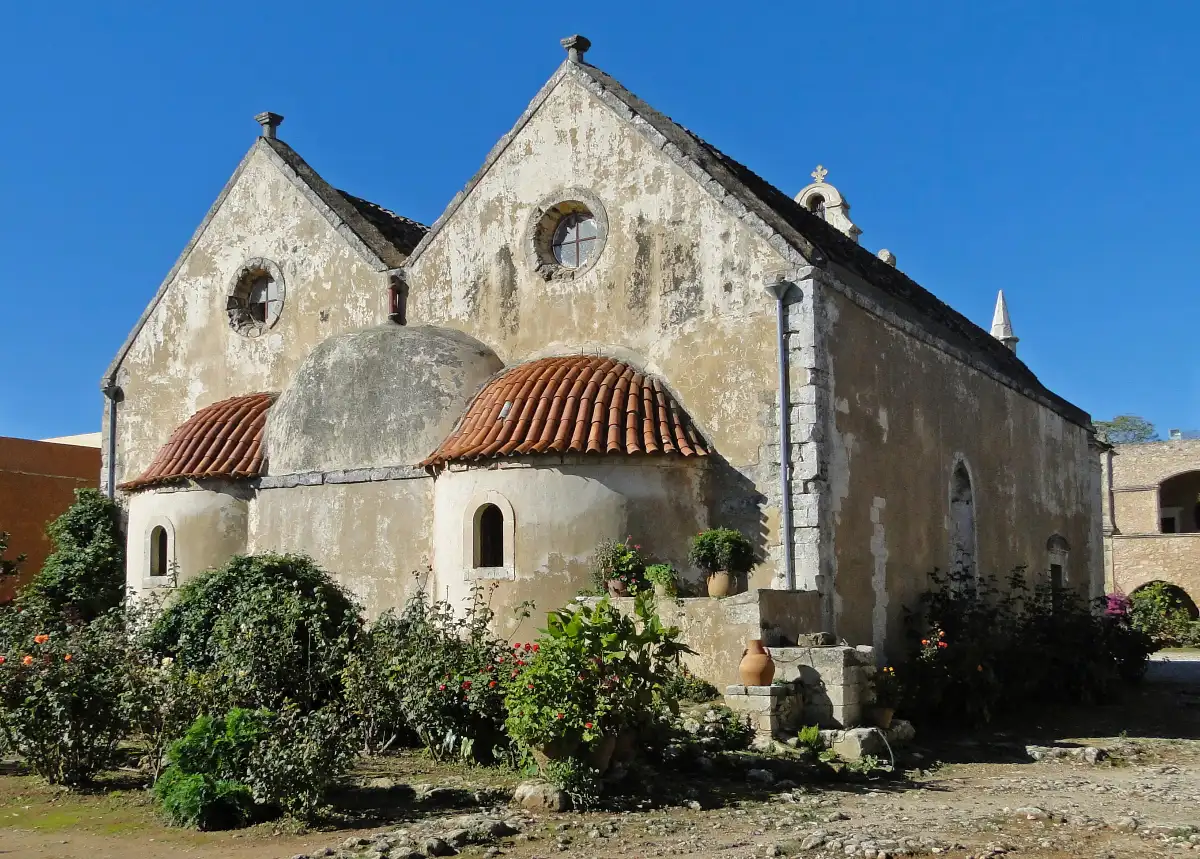
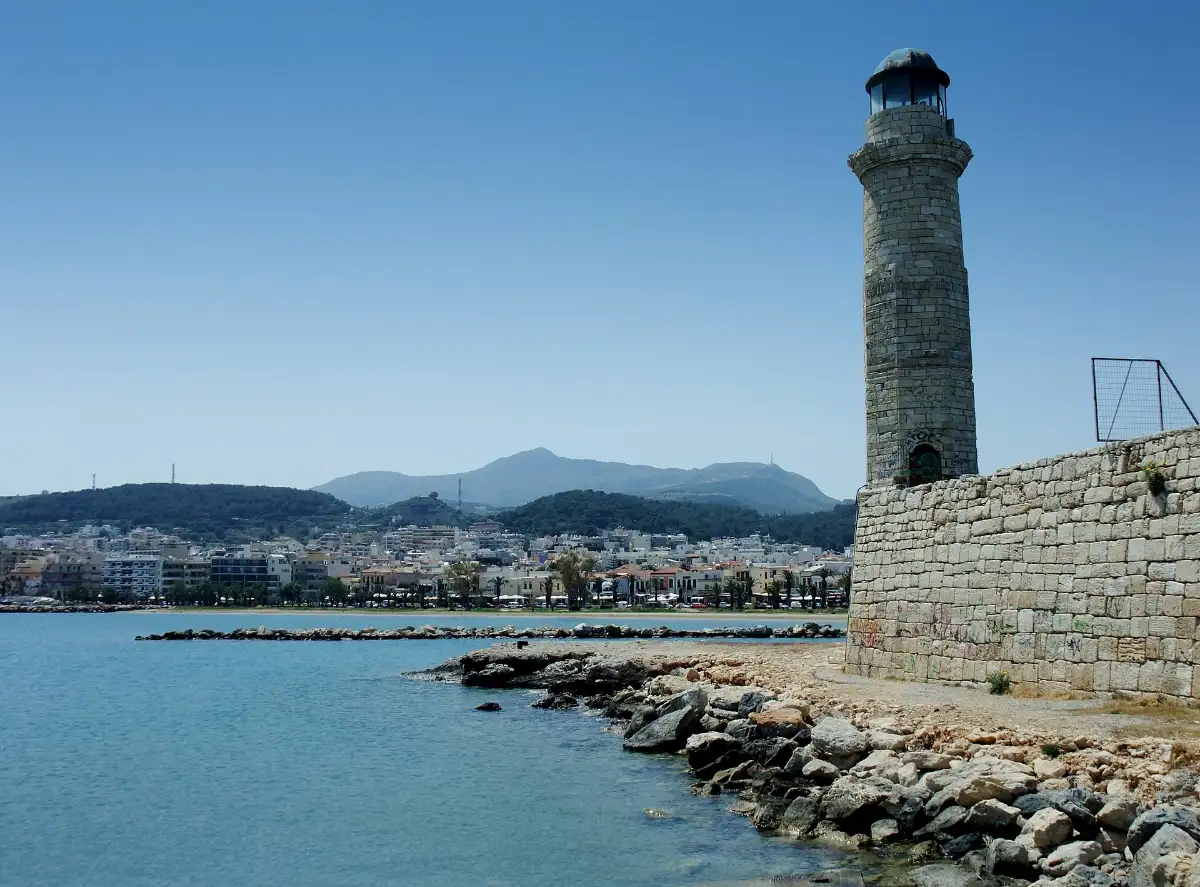
The Venetian harbours, which cost nothing. Chania’s harbour is the prettiest townscape on the island, and Rethymno’s old town runs straight into a long town beach. In both cases the sight is the town itself: you walk in, you pay for dinner rather than for entry, and the hours that matter are the ones when the coach groups are somewhere else. The west gets its own treatment in our Chania guide.
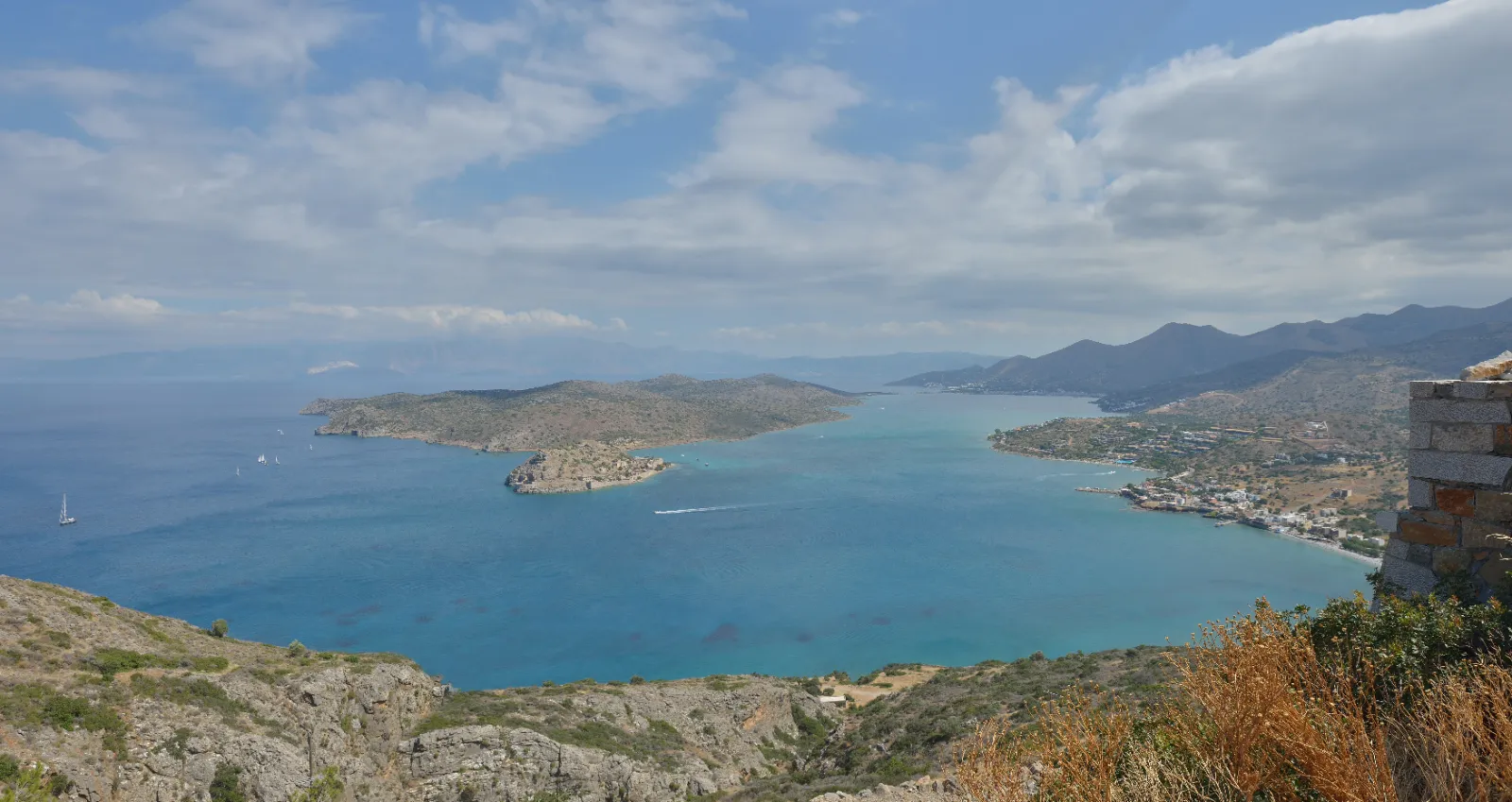
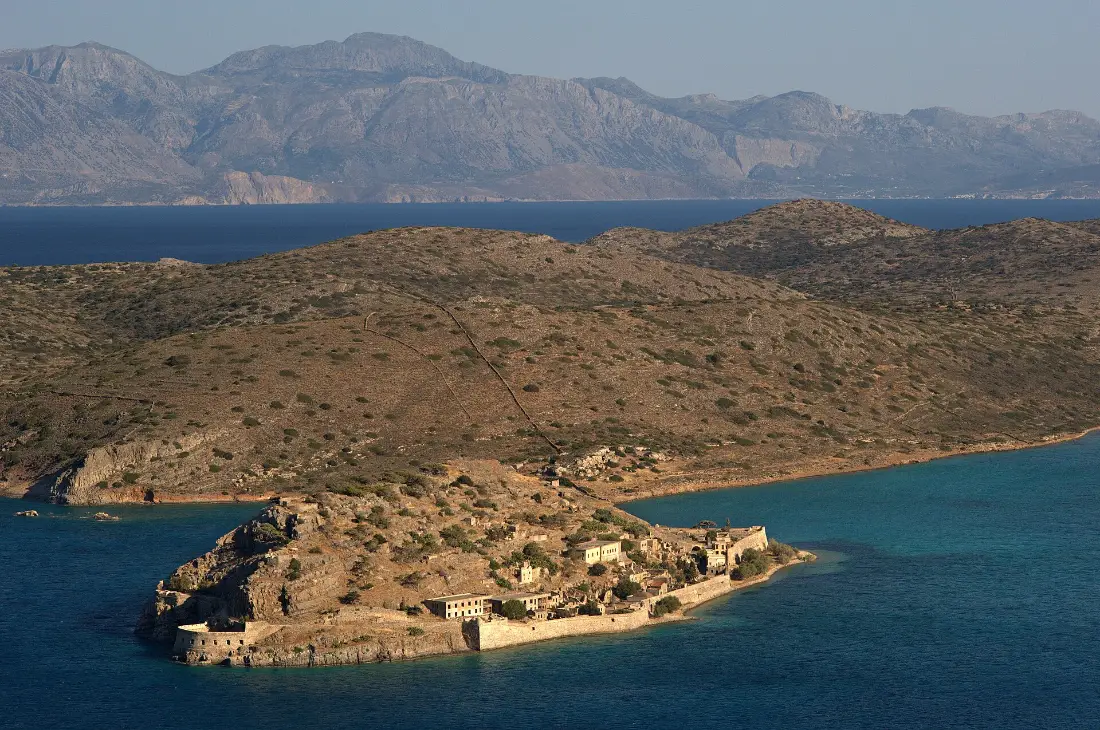
The islet in the east. Spinalonga is a Venetian sea-fortress that became an Ottoman town and then, from 1904 to 1957, a leper colony. Most people come for that last chapter and spend the afternoon standing in the first. It is reached only by boat, from Plaka, Elounda or Agios Nikolaos, and the Hellenic Ministry of Culture’s own record for the islet says the visit depends on the weather conditions and on the itineraries of the boats. The same record closes it from 1 November to 31 March. Note also that the site ticket and the boat fare are two payments to two different parties.
Opening hours and ticket prices are the Ministry’s to set, they step down through the autumn, and they have been revised more than once. So no hour and no price appears on this page by design: each page below gives you the mechanism and sends you to the official source for the date you are going. The constraint underneath all of it is the car, because Crete is a road-trip island rather than a walkable one. Start with renting a car in Greece.