Crete
Beaches in Crete
Crete does not hand you a beach. It hands you a map, and the beaches are a driving decision.
The island runs roughly 250 km end to end, and its famous water sits at the ends of it: the two lagoons in the far west, a palm forest behind a beach on the eastern tip, the wilder coast behind a mountain range in the south. Your hotel picks your beaches before you do. So read this page as a set of distances rather than a ranking. The best beach in Crete is the one you can reach from where you are sleeping.
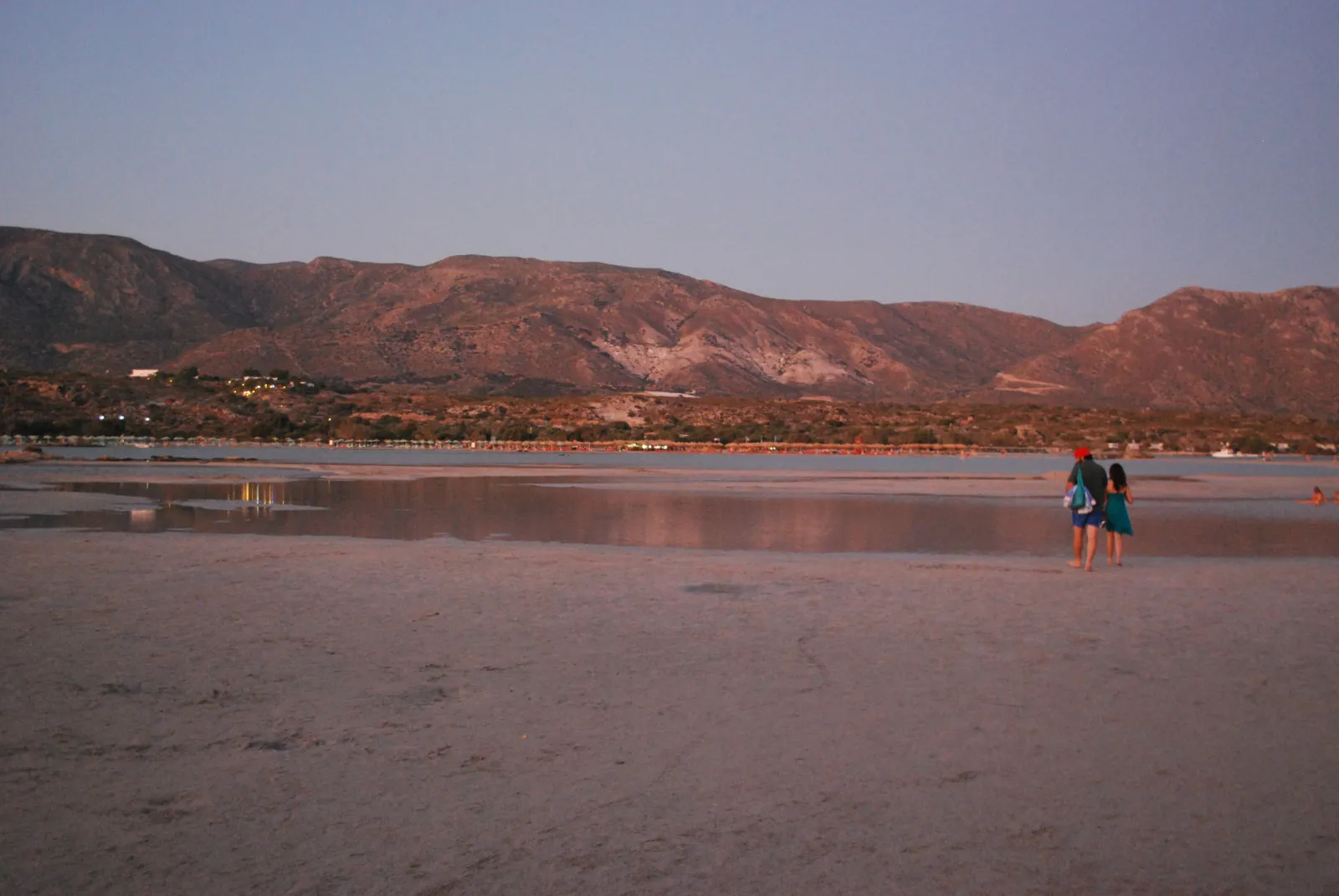
The two famous lagoons, and their catches. Elafonisi and Balos are the images that sell the island. Both sit in the far west, and both are full days rather than afternoons. Elafonisi is a protected Natura 2000 reserve first and a beach second: the pink in the sand is crushed shell, so it is patchy and it drifts, and the Region of Crete’s own record for the beach describes it as white sand. Balos is reached either by excursion boat from Kissamos or by an unsurfaced track that stops on the height above the lagoon, leaving about a kilometre of path down and the same climb back at the end of a hot day. What settles it for most drivers is contractual rather than geological: many hire-car agreements exclude that road. Both are at their best early, and both fill through the middle of the day in July and August in proportion to their fame.
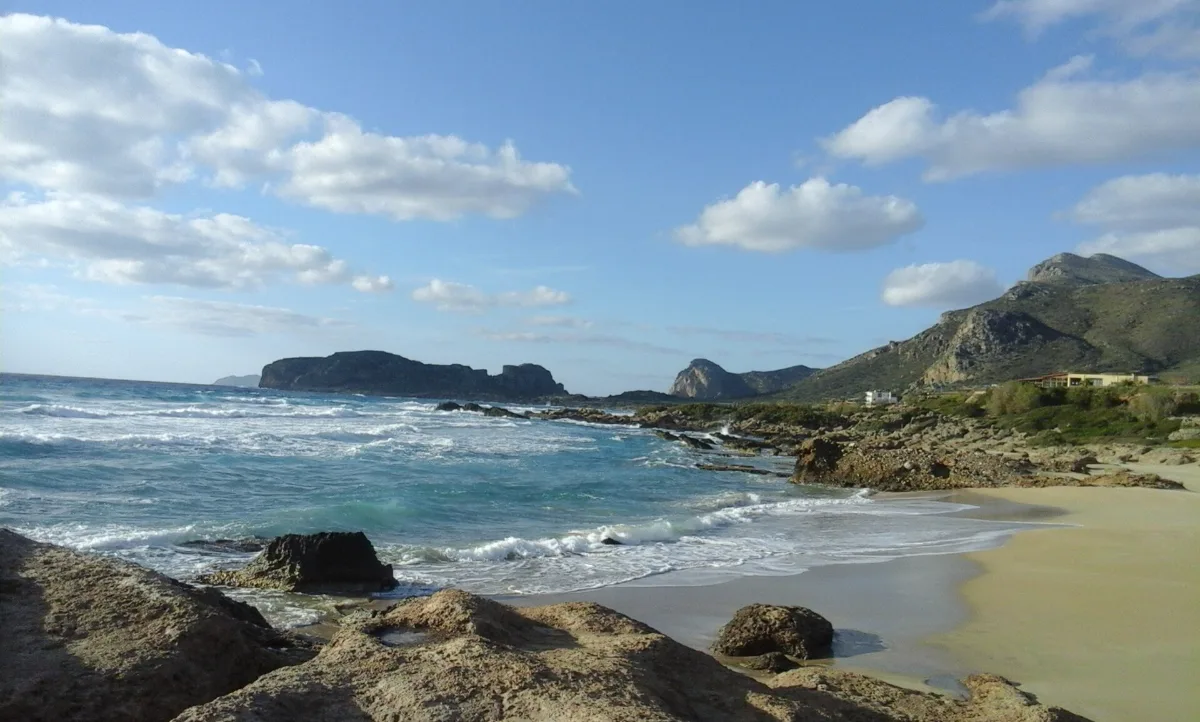
The rest of the west. Falassarna is the long, open sand on the same western end, exposed rather than enclosed, and it is the west-coast day that needs no boat and no track. All three belong to a Chania base rather than to a Crete trip in general, which is why our Chania guide treats them as the big days out of a western week. From Heraklion or the eastern resorts, the drive eats the day twice.
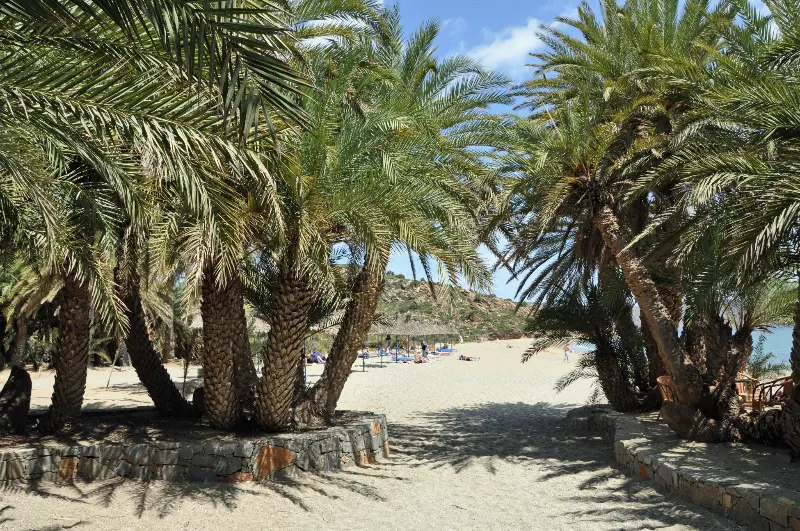
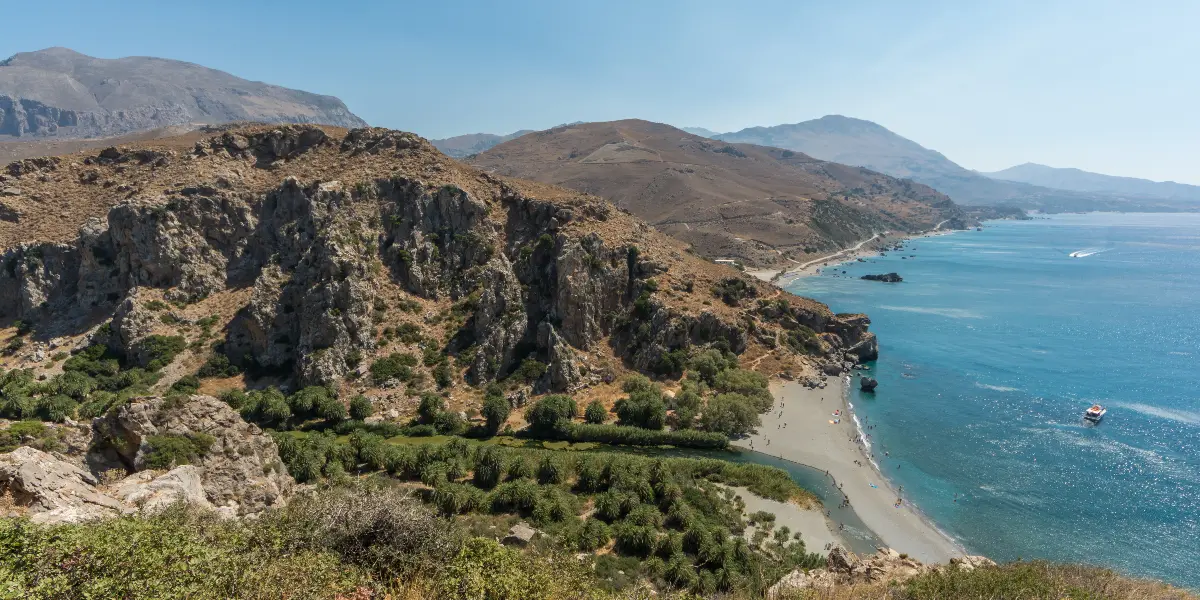
The south and the east. Preveli, on the south coast, is a palm-lined river mouth running into the sea, and the question to ask before you commit to the drive is how you get down to the sand. Vai, on the far eastern tip, keeps a natural palm forest behind its beach and belongs to a Lasithi day rather than a western one. Both spread the load away from the western crowd.
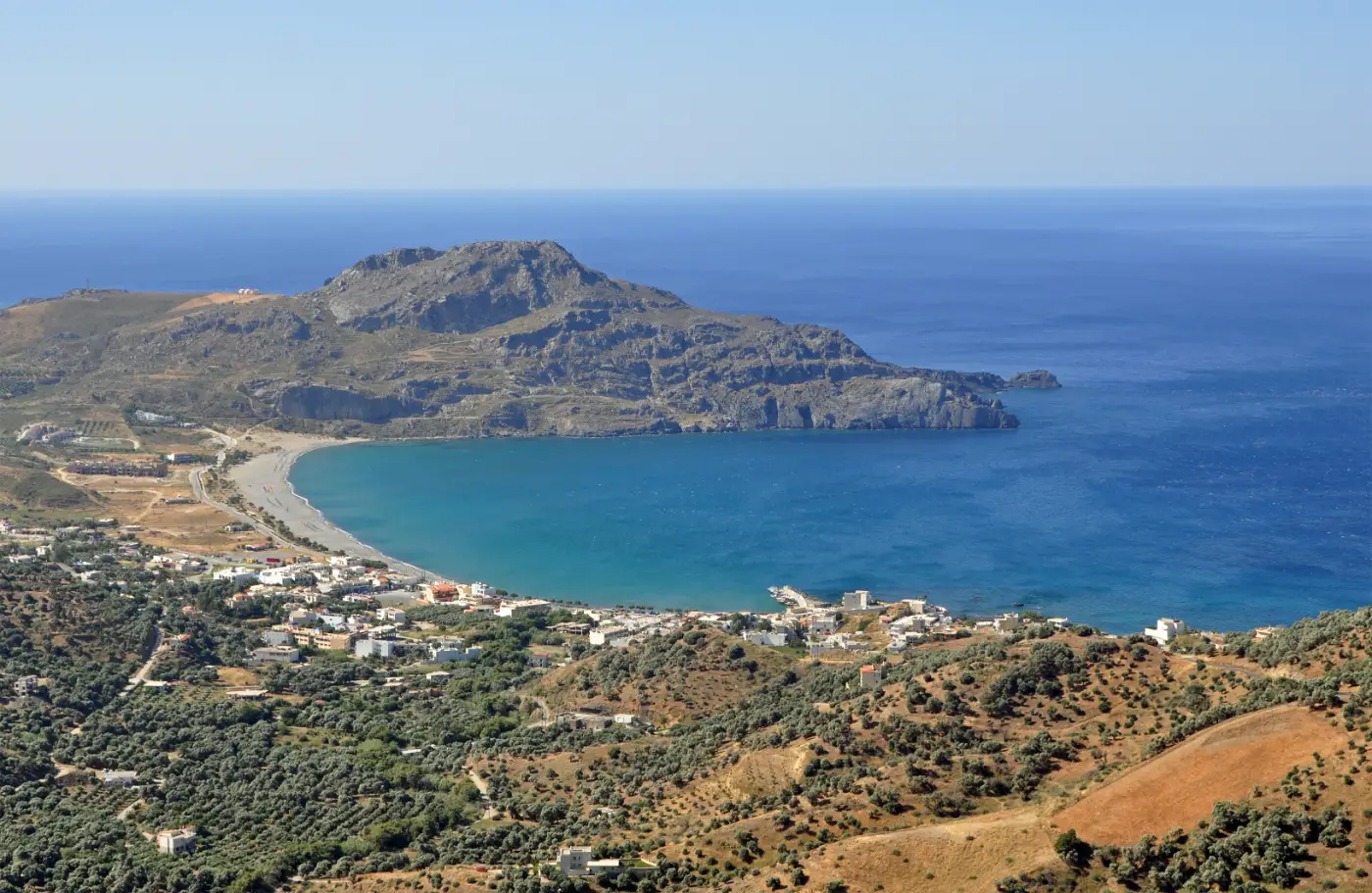
The beaches you will actually swim at. Most of your swimming will happen on the north coast, close to wherever you booked. Rethymno’s long sandy strip runs straight out of the old town, and organised beaches sit east and west of each of the north-coast cities. If what you want is a swim before dinner rather than an expedition, this is the group that answers.
Two things from the Region of Crete’s own beach records, because they change what you pack. At both Elafonisi and Balos the natural-shade field is answered with a no: nothing grows on that sand tall enough to sit under, so shade is something you rent or carry. And Balos is recorded with no lifeguard service, which is a fact about the beach’s provision and not a statement about the water. We do not rate the sea anywhere on this site, because no page can see the day you are standing in.
What you will not find here is a sunbed rate, a parking charge, a boat fare or a timetable. Those are seasonal trades, and the pages below give you the mechanism and send you to whoever sets the price. The one purchase worth planning is the vehicle: see renting a car in Greece. If you are still weighing the island itself, Crete vs Rhodes sets the two side by side.