Region
Attica (mainland Greece)
Airport
Athens International “Eleftherios Venizelos” (ATH), ~33 km east of the centre
Getting in
Metro Line 3 (blue) to Syntagma/Monastiraki, ~40 min, single flat airport fare ~€9
Onward ferries (outbound)
Depart from Athens: Piraeus (Saronic + most Cyclades), Rafina and Lavrio (nearer Cyclades)
Getting around
Metro (3 lines) plus a walkable historic core; no car needed in the city
Time zone
EET, UTC+2 (EEST, UTC+3 from late March to late October)
Best time to visit
Apr–early Jun and Sep–Oct (shoulder; comfortable heat, thinner crowds)
Days needed
2 focused days for the core; 3–4 with day trips
Currency / language
Euro (€) / Greek (English widely spoken in tourism)
Travel details last checked July 2026.
Two focused days in Athens (and when to give it three)
Two full days is enough for a first visit to Athens. That covers the Acropolis, the ancient core below it, one major museum, and a couple of neighbourhoods walked at their own pace - not rushed, not padded. Give the city a third day only if you want a day trip, and a fourth only if you genuinely want to slow down.
Here is the shape that works. On the first morning, go up to the Acropolis at opening, before the heat builds and the cruise-ship groups arrive; the rock is largely shadeless and fills fast by mid-morning. Come down into the Ancient Agora, then spend the afternoon wandering Plaka and Monastiraki on foot. Day two is a museum morning - the Acropolis Museum at the foot of the hill, or the National Archaeological Museum a short metro hop north - followed by a neighbourhood or two and a hill at sunset.
Most travellers get the length wrong in one of two directions. They squeeze Athens into a single jet-lagged day and leave thinking it was only an airport with ruins, or they block out four and run out of city by lunchtime on the third. Traveller forums land on the same verdict the guidebooks do: two well-run days beat both a rushed one and a padded four. The extra time is worth having. Spend it outside the city, on a day trip, rather than on more of the same.
The hour-by-hour version lives on the Athens itinerary; this page is here to show how the city fits the rest of your trip.
No, Athens isn’t an island - it’s your gateway to Greece
No - Athens is not an island. It is Greece’s capital, built on a peninsula in the region of Attica on the mainland, ringed by mountains - Hymettus, Parnitha and Penteli - and opening south to the Saronic Gulf. There is no island that Athens sits on; the confusion usually comes from picturing the whole country as islands.
That mainland position is the entire point. Because Athens is on the mainland, it holds the country’s largest airport and its main ferry ports, which is why almost every Greece trip - island-bound or not - begins here. The city is less a place you fly to for its own sake than the hinge the rest of your route turns on.
One corner of it does play with the idea. Anafiotika, a tiny quarter of whitewashed, flat-roofed houses built into the slope under the Acropolis just above Plaka, was raised by island craftsmen from the Cyclades and still looks the part; locals half-jokingly call it the island in the city. It is a lane or two of Cycladic architecture, not an actual island - but it is a fair reward for anyone who arrived wondering.
Which islands you can actually reach from here, and how, is the launchpad question the rest of this guide answers.
Getting in from the airport, and why you won’t need a car
Athens International Airport (Eleftherios Venizelos, code ATH) sits about 33 km east of the centre, and you have three sensible ways in. The one to default to is Metro Line 3, the blue line, which runs straight from the airport to Syntagma and Monastiraki in around 40 minutes for a single flat airport fare of about €9. It drops you in the middle of the walkable core, steps from most places you would stay.
| Way in | Roughly | Cost | Best for |
|---|---|---|---|
| Metro Line 3 (blue) | ~40 min to Syntagma | ~€9 single | Almost everyone |
| X95 express bus | ~60–90 min, traffic-dependent | Cheaper flat fare | Late arrivals, tight budgets |
| Taxi | ~40 min off-peak | Fixed flat fare, higher at night | Groups, heavy bags, late nights |
The X95 bus runs around the clock to Syntagma and costs less than the metro, but it shares the road with traffic, so treat it as the slower, cheaper option rather than the faster one. Taxis charge a fixed flat fare between the airport and the city centre, higher at night - agree the official flat rate before you get in, rather than running the meter.

Diagram by Greece Trips. Free to reuse with credit - CC BY 4.0.
Once you are in town, skip the car. Central Athens is one of the few places in Greece where the metro and your own feet beat a rental: three metro lines cover the ground you will want, the historic core is walkable end to end, and a car downtown buys you parking headaches and one-way frustration, not time saved. Rent one only when you leave the city for a day trip - pick it up on your way out, drop it on your way back. The day trips from Athens that genuinely need a car are covered separately. On packed metro trains, keep your bag zipped and in front of you; more on that below.
The historic core the Acropolis anchors
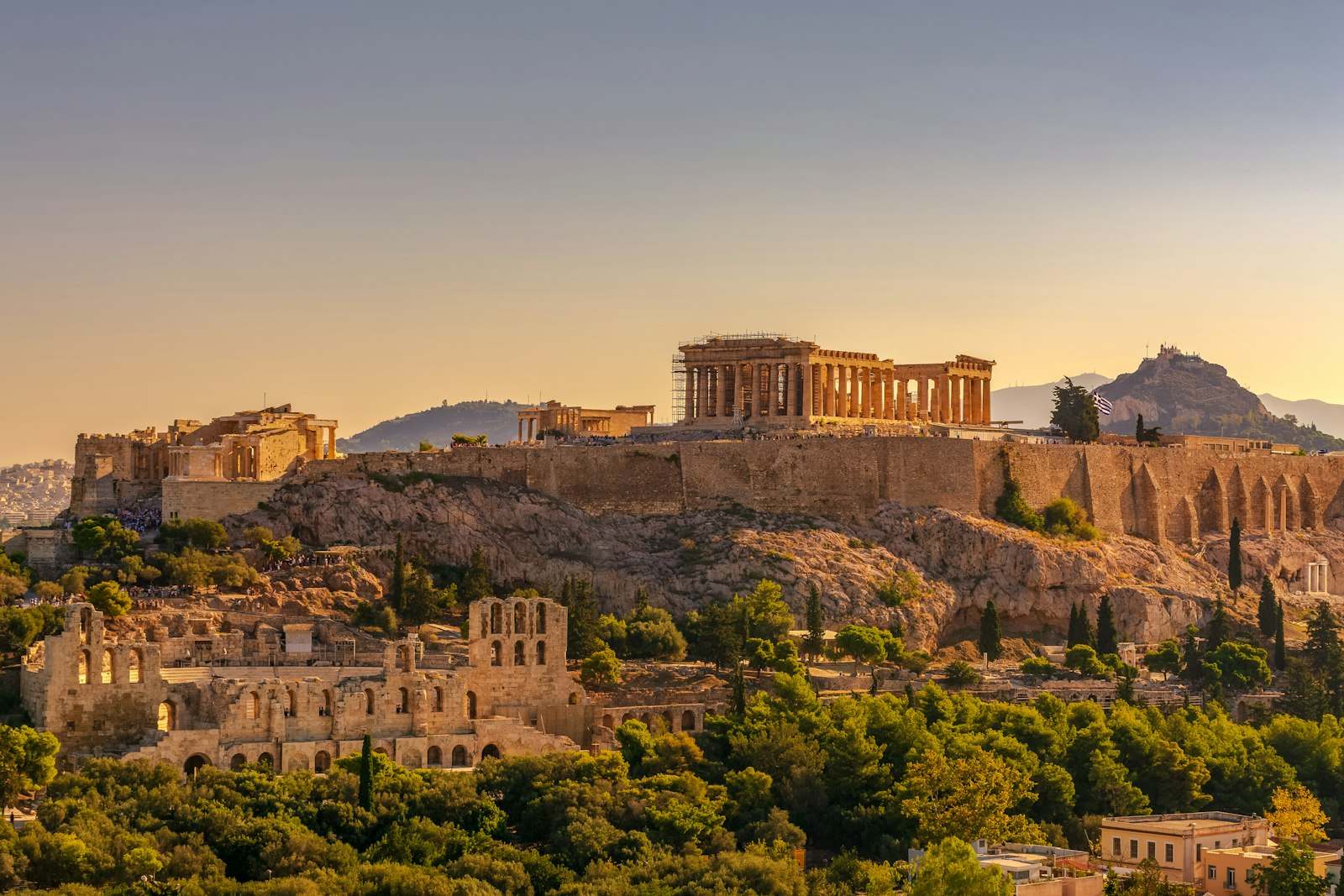
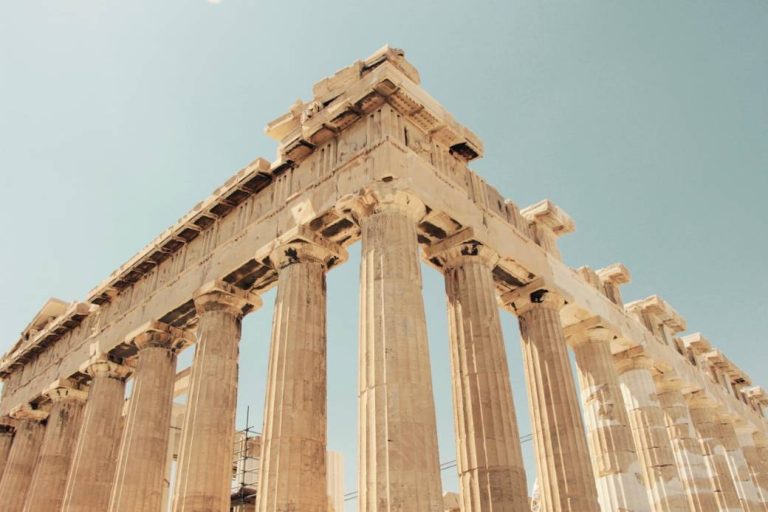
Almost everything a first visit needs sits in one walkable ring below the Acropolis, which is why it pays to plan around the geography rather than a checklist. The Acropolis and the Parthenon crown the rock; the Acropolis Museum sits at its foot, showing the sculptures in the same daylight as the temples above. Within a short walk are the Ancient Agora, the Roman Agora and the Temple of Olympian Zeus, and a metro hop north brings the National Archaeological Museum - the single best collection of ancient Greek art anywhere.
The connective tissue is Plaka and Monastiraki, the lanes you walk between the sites, full of tavernas, workshops and the odd Roman ruin left where it was found. Treat them as part of the route, not a separate errand.

Diagram by Greece Trips. Free to reuse with credit - CC BY 4.0.
One specific worth repeating: go up the Acropolis at opening. The rock has almost no shade, and by mid-morning it holds both the heat and the crowds off the cruise ships; the first hour is calmer and cooler than any other. For a free view over the whole lot, climb Filopappou or Lycabettus hill toward evening - twenty minutes up, the city and the Acropolis laid out below, no ticket required.
This is a launch point, not a catalogue. The full run of sites, opening hours and how to string them together lives on the things to do in Athens page.
Tickets and passes: the combo-ticket math
The ticket landscape changed recently, so ignore older advice that leans on the old combined ticket. Here is the current shape, with prices to confirm before you buy:
- A single adult ticket to the Acropolis runs about €30, and - a recent change - that price now holds year-round, with the old winter half-price discount abolished.
- The official government combined ticket that once covered the Acropolis plus six other sites was withdrawn on 1 April 2025, so for the Ancient Agora, Roman Agora, Kerameikos and the Temple of Olympian Zeus you now buy individual entries. At the Ancient Agora and Kerameikos, that entry includes the site’s own museum.
- Commercial “city pass” bundles that add a museum and a hop-on-hop-off bus exist, but they run far higher and only pay off if you will cram several paid attractions into a day or two.
The honest verdict: for most visitors, buy a timed Acropolis ticket online in advance to skip the queue, then pay per site for anything else you actually want to see. Leave the commercial passes unless your plan is genuinely attraction-heavy. EU citizens under 25 and certain other groups get free or reduced entry - check the current rules on the official platform rather than a reseller. Buy the Acropolis ticket itself through the Hellenic Ministry of Culture’s site, not a lookalike, and the Acropolis page carries the site-specific detail.
Where to stay: the neighbourhoods at a glance
Stay inside the walkable core and you can save the metro for day trips. Most of these neighbourhoods put you within a short walk of the Acropolis; which one you pick depends on what you want the base to do:
- Plaka - the prettiest and most central, a village of neoclassical lanes under the Acropolis, and priced for the privilege.
- Monastiraki and Syntagma - the most convenient, sitting on top of the metro and the sights, busy and a little loud.
- Koukaki and Makriyanni - beside the Acropolis Museum, calmer and better value, a corroborated local favourite for a first stay.
- Psyrri - creative and nightlife-heavy, edgier after dark, good if that is the point of your trip.
- Kolonaki - upscale and hillier, strong for shopping and dining, a little further from the ancient sites.
- Exarcheia - the graffiti-covered student quarter with an anarchic streak; it has character rather than sights.
Two threads run through the list. Proximity to the ancient sites drops as you move from Plaka and Makriyanni out toward Kolonaki and Exarcheia, and price tracks charm more than convenience - Koukaki gives you both for less. The honest caveat is that Athens changes block to block, so the exact street matters more than the label; a strong neighbourhood has dull corners and a rough-sounding one has good ones. Use these as a shortlist, then let the where to stay in Athens page make the call on specific hotels and streets. Travelling as a family shifts the maths toward space and quiet over nightlife, which the Athens with kids guide takes on.
Eating in Athens, the short version
The rule that saves most meals in Athens is simple: walk a few streets out of the Acropolis’s shadow before you sit down. The tavernas ringing the big sights trade on the view and charge for it; the food a short walk away is better and cheaper.
Know the shapes and you can eat well almost anywhere. Souvlaki and grilled-meat spots cluster around Monastiraki and the lanes off it; mezedopoleia - small-plates places built for slow grazing - fill Psyrri and the streets near the Central Market. For modern Greek cooking, Koukaki and Pangrati are where younger Athenian kitchens have moved. Coffee here is a sit-down ritual, not a paper cup carried on the move.
The full picks - who is worth a detour and who is coasting on location - are on the where to eat in Athens page.
Is Athens safe? An honest read
We are not going to rate Athens as safe or unsafe in our own voice: that depends on the street, the hour and who you are, and it is a judgement for your own government’s travel advice. The US State Department, for one, rates Greece Level 1 - exercise normal precautions, its lowest advisory tier. The everyday problems worth planning for are to your wallet: pickpocketing and a handful of well-worn scams.
The specifics are worth knowing because they are predictable. Pickpockets work crowded metro trains and platforms, especially at Syntagma, Monastiraki and Omonia and on the airport line where tired arrivals carry bags; keep your bag zipped and in front of you in any crush. Taxi overcharging of obvious tourists is the other common one - use the flat airport fare and a ride app, or watch the meter. Sunday at the Monastiraki flea market draws crowds, and crowds draw hands.
Plaka, Monastiraki, Koukaki, Thissio and Psyrri are where most visitors spend their time, and they are busy and well-walked. Omonia is grittier and Exarcheia has an anarchic, graffitied edge. We will not grade neighbourhoods from here, because that changes by street and by hour: choose where you sleep by the walk from the metro at the hour you will actually make it, and keep the big-city habits you would use anywhere, above all in a crowd.
Using Athens as a launchpad: day trips and the nearest islands
Athens earns its best third day by sending you out of it. The mainland day trips justify the early start. Delphi, the ancient oracle site on the slopes of Mount Parnassus, is about two and a half hours out and doable by public bus or an organised tour. Cape Sounion is closer - roughly an hour and a half down the coast - and best timed for late afternoon, when the Temple of Poseidon takes the sunset over the sea. The Peloponnese opens up Nafplio, Mycenae and the theatre at Epidaurus, though that trip really wants a car or a tour. The full set, with timings and how to book, is on the day trips from Athens page.
The nearest islands are closer still. The Saronic Gulf sits just off Piraeus, and its islands make clean day escapes: Aegina is the closest at about 30 minutes to an hour by ferry; Poros and Agistri lie a little beyond; and Hydra - car-free, all stone harbour and donkey paths, the connoisseur’s pick - is a bit over an hour on the fast boat. For a first island without spending a whole travel day, these are the answer, covered in the Saronic islands guide.

Diagram by Greece Trips. Free to reuse with credit - CC BY 4.0.
For the bigger trip, Athens is the hub and the port depends on the island. Piraeus serves the Saronic and most of the Cyclades; Rafina and Lavrio, both nearer the airport, serve the closer Cyclades. For the famous far islands, decide by time: Santorini and Mykonos are a 40-to-50-minute flight or a fast ferry of several hours, and Crete is a roughly 50-minute flight or an overnight ferry. Fly when the ferry runs long or costs you a day you cannot spare; take the ferry when the crossing is short or the sea passage is the point. The Greek island ferries guide holds the timetables, and if you would rather let the boat plan the route, multi-day cruises loop the Cyclades out of Piraeus.
When to visit Athens
Shoulder season is the whole game in Athens. April to early June and September to October give you comfortable warmth and thinner crowds - the sweet spot for a city you see largely on foot and on open, shadeless stone. July and August are hot and busiest; the marble and rock hold the heat, which is exactly why the go-up-the-Acropolis-early rule matters most then. Winter is quiet and mild-ish, with the lowest crowds, though days are short and some sites keep reduced hours.
The trade-off is honest: winter is cheaper on flights and calmer underfoot but greyer, and a wet afternoon on the Acropolis is a different experience. For the full picture across the country, the best time to visit Greece guide and the month-by-month weather breakdown go deeper.
Plan your Athens days
Athens works best as one composed piece of a Greece trip: two focused days in the historic core, then the city as your launchpad to the islands, Sounion and Delphi. From here, the category pages above go deeper on each part - attractions, hotels, restaurants, the day-by-day Athens itinerary and the day trips - so you can build your days without stitching a dozen tabs together.
When you are ready to turn the plan into a booked trip, this is where that happens.
The itinerary and day-trip pages lay out exactly how to arrange each leg yourself.
Frequently asked questions
Is Athens an island?
No. Athens is Greece’s mainland capital, on a peninsula in the region of Attica, ringed by mountains and edged by the Saronic Gulf - there is no island it sits on. That mainland position is exactly why it is the launchpad for island trips; the nearest, the Saronic group, is about an hour away by ferry.
How many days do you need in Athens?
Two full days cover the Acropolis, the ancient core, one major museum and a couple of neighbourhoods at a comfortable pace. Add a third only for a day trip to Delphi, Cape Sounion or a Saronic island, and a fourth only if you want to slow down. The Athens itinerary has the day-by-day.
Is Athens safe for tourists?
That is a call for your own government’s travel advice rather than ours, so read its current page before you go; the US State Department, for one, rates Greece Level 1, its lowest advisory tier. The everyday problems worth planning for are pickpocketing on crowded metro trains - watch Syntagma, Monastiraki and Omonia - and occasional taxi overcharging.
Do you need a car in Athens?
No. You do not need or want a car in central Athens - the metro and walking beat traffic and parking, and the historic core is compact. Rent one only when you leave the city for day trips like Delphi, Cape Sounion or the Peloponnese, picking it up on your way out. See day trips from Athens.
What is the closest island to Athens?
Aegina, in the Saronic Gulf, is the closest - roughly 30 minutes to an hour by ferry from Piraeus. Poros, Agistri and car-free Hydra are also near enough for a day trip. All of them leave from Piraeus, so confirm current ferry times before you travel. There is more in the Saronic islands guide.
How do you get from Athens airport to the city centre?
Take Metro Line 3, the blue line, straight to Syntagma or Monastiraki in about 40 minutes for a single flat airport fare of roughly €9. The X95 express bus is cheaper but slower, and taxis run a fixed flat fare into the centre. The airport sits about 33 km east of town.
What time zone is Athens in?
Athens is on Eastern European Time (EET), UTC+2, switching to Eastern European Summer Time (EEST), UTC+3, from late March to late October. That puts it two hours ahead of London and seven ahead of US Eastern time - confirm the offset against your own date, since the changeover shifts it.
How far is Athens from Santorini, Mykonos and Crete?
These are not day trips. Santorini and Mykonos are a 40-to-50-minute flight or a fast ferry of several hours from Athens; Crete is a roughly 50-minute flight or an overnight ferry. From Athens you either fly or take a fast or overnight ferry - choose by budget and time. The ferries guide and the Athens–Santorini–Crete itinerary have the detail.
Plan by category
The Athens guides
6 guides, each scoped to a decision you actually have to make.
 Attractions
Things to do
See the attractions → Hotels
Where to stay
Compare the areas → Beaches
The beaches
See the beaches →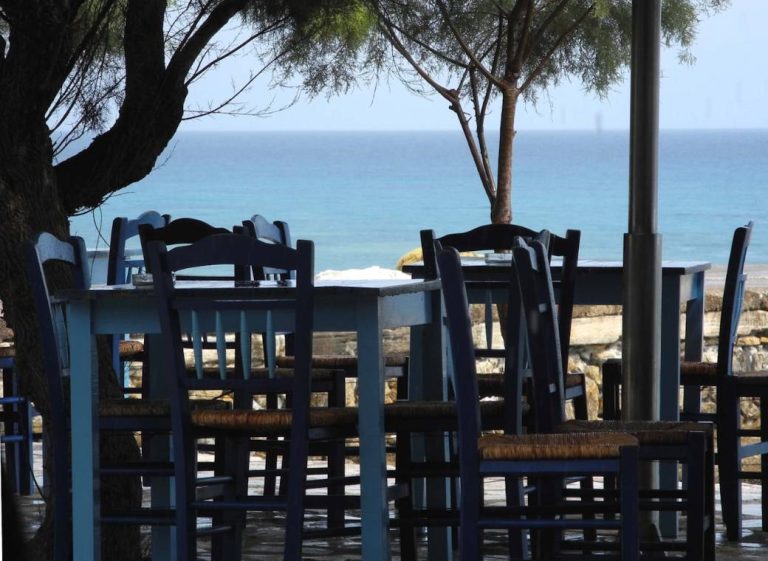 Restaurants
Where to eat
See where to eat →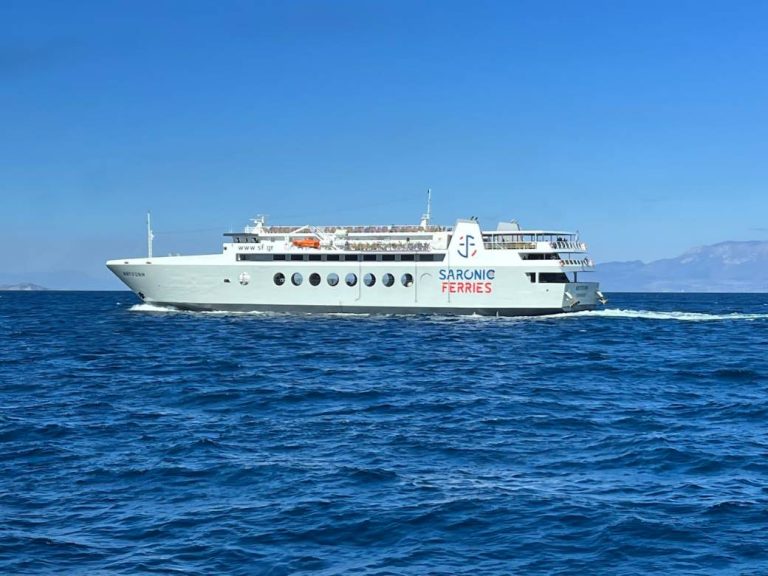 Itinerary
Day by day
See the itinerary →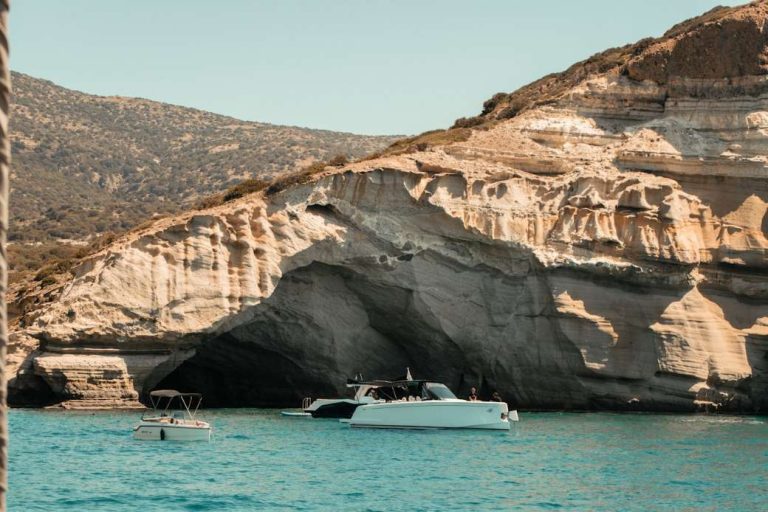 Day trips
Day trips
See the day trips →
Booking
We sell nothing and book nothing for you. Every guide on this page tells you how to arrange each piece yourself - which ferry operator, when to book, what to prebook and what to leave loose.