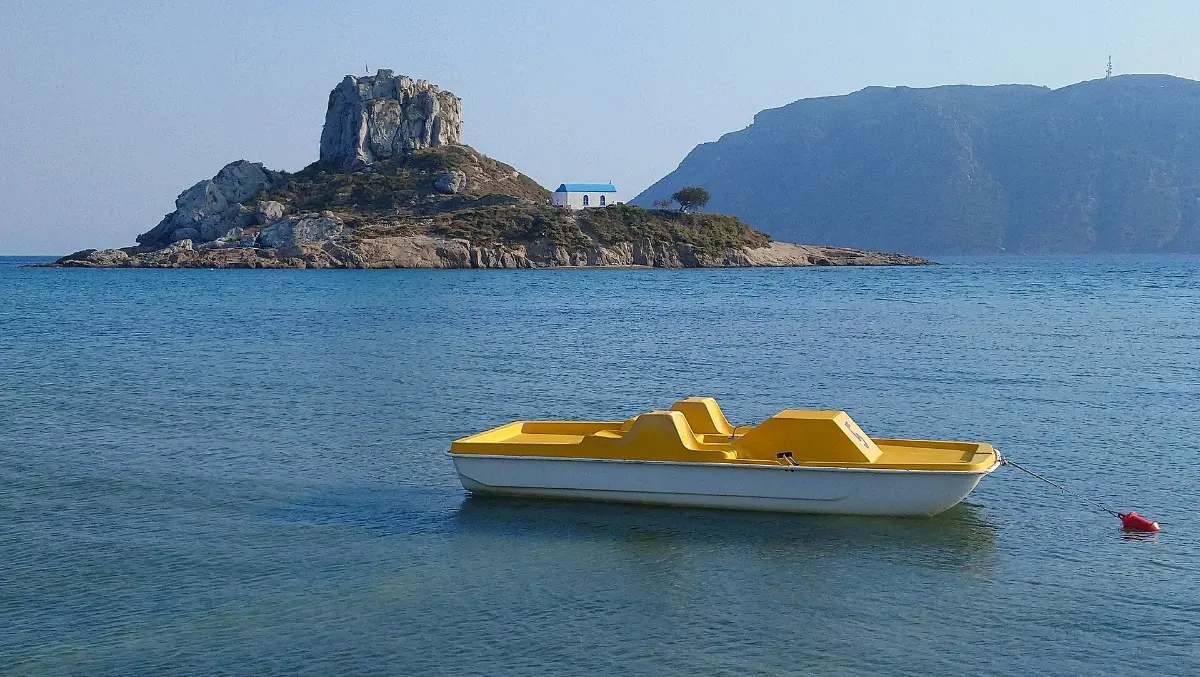
Island group
Dodecanese (South Aegean, Greece) - third largest of the group after Rhodes and Karpathos, directly opposite Bodrum on the Turkish coast
Airport
Kos International “Ippokratis” (IATA: KGS), near Antimachia, about 24 km southwest of Kos Town, operated by Fraport Greece
Ferry from Piraeus
Blue Star Ferries, roughly 9.5-14 hours, typically overnight with cabins; no high-speed on the direct route; arrives at Kos Town harbour
Best months
May-June and September-early October (shoulder sweet spot); July-August is the hot, busy charter peak; most resorts close roughly November-March while Kos Town stays open year-round
Travel details last checked July 2026.
Kos in one look: the flat, easy island of the Dodecanese
Kos, Greece is the flat, easy island of the Dodecanese: third largest of the group after Rhodes and Karpathos, set in the southeast Aegean directly opposite Bodrum on the Turkish coast, with long sandy beaches wrapped around a harbour capital that packs more history than islands twice its size.
Be clear-eyed about what kind of island this is. Kos is one of Greece’s biggest package destinations, the Dodecanese’s second most visited island after Rhodes, and the charter flights land direct from across Europe all season. That is not a flaw; it is the fact to plan around. The resort strips are built for the sunbed week, and the island quietly rewards anyone who spends a few of those days off it.
Two things make that easy here and nowhere else. The island is flat enough that a bicycle is genuine transport, and it sits so close to its neighbours that a live volcano, a climbers’ island and lunch in another country are all within about an hour. Add the tradition that Hippocrates was born here - the ancient world’s most famous healing sanctuary stands on a hillside above the capital - and there is more to it than the brochure suggests.
The sections below settle the four decisions that shape the trip - how long, how you arrive, which coast you base on, and when to come - then cover the town, the beaches and the day-trip deck.
How many days Kos actually needs
Four to five days covers Kos honestly: the town and the Asklepion, a beach day on each coast, and one day trip. Three days is brisk - Kos Town, the sanctuary and a single beach. Seven or more, the package norm, funds the full day-hop deck of Nisyros, Bodrum and Kalymnos without repeating a beach.
Guides quote wildly different numbers for this island. Some plan it in one to three days; others insist on five as a minimum and ten as ideal. The difference is what they are counting. As a sightseeing island it is compact - castle, agora, Asklepion and Zia fit into two full days. As a holiday island, it absorbs two weeks without strain. Both readings are true, so decide which trip you are on.
In practice, most visitors never choose a length at all: the charter calendar chooses it for them, in blocks of seven or fourteen nights. If that is you, the better question is how many of those days to spend off the sunbed. Two or three is the honest answer - one for the town and the Asklepion, one for a boat, one for the far west of the island - and the rest of the week takes care of itself.
Getting to Kos: fly in - the ferry is an overnight haul
Fly. Athens to Kos is about an hour in the air with Aegean or Sky Express, which run year-round. The alternative is a Blue Star ferry from Piraeus that takes roughly 9.5-14 hours, typically overnight with cabins, and no high-speed boat serves the direct route to shorten it. Unless the sea passage is genuinely the point, that settles the question.
Most visitors skip Athens altogether. Kos International Airport, named Ippokratis and coded KGS, sits near Antimachia about 24 km southwest of Kos Town, and through the season it takes direct charter and scheduled flights from the UK, Germany, the Netherlands and beyond. Transfers run roughly 10-45 minutes depending on the resort: Kardamena is closest, Kefalos the far end.
The third door is the island-hopper’s. A ferry up from Rhodes takes 2-3 hours and docks at Kos Town’s main harbour beside the castle - one of the better arrivals in Greece, since you step off the ramp into the middle of everything.
| Route | Roughly | Arrives at | Choose it if |
|---|---|---|---|
| Flight (ATH-KGS) | ~1 h | Ippokratis (KGS), ~24 km from Kos Town | Almost everyone; time matters |
| Overnight ferry from Piraeus | ~9.5-14 h, Blue Star, cabins | Kos Town harbour | You want the sea crossing |
| Ferry from Rhodes | 2-3 h | Kos Town harbour | One leg of a Dodecanese hop |
Wider mechanics - booking windows, cabin classes, what the network looks like - live in the Greek island ferries and flights to Greece guides.
Getting around: the one Greek island you can genuinely cycle
Kos is the one famous Greek island where a bicycle is real transport rather than a photo prop. A flat waterfront cycle lane runs about 13 km from Faros beach through Kos Town to Psalidi, with an inland branch past the archaeological sites; the rental fleet runs into the thousands, and quiet farm roads cross the plain to Tigaki without a climb worth naming. Treat the bike as your default: town, harbour front, Asklepion and the north-coast sand are all honest cycling range.
Know where the bicycle stops making sense. The Kefalos end is hilly, Zia is a proper climb, and in July and August the midday heat shrinks sensible riding to mornings and evenings. For everything beyond that range, KTEL buses link the town with the main resorts and the big sights, and a rental car for a day or two covers Kefalos, Zia and the south-coast coves on your own clock.
One piece of local logic almost no guide prints: the island has three working ports, and they divide the day-trip traffic. Kos Town’s harbour handles the main ferries and the Bodrum boats; Mastichari on the north coast is the Kalymnos port; and the Nisyros excursion boats leave from Kardamena. If one particular day trip is half the reason you are coming, base near its port. The rest of the mechanics are in getting around Greece.
Where to base: Kos Town, the north coast, Kardamena or Kefalos
Pick a coast before you look at a single hotel, because the base decides the trip.
Kos Town is the base for evenings: the island’s best restaurants, its bar street, and every layer of the history within a walk. Two trade-offs. The lanes are at their busiest when cruise ships and excursion boats are in, and the town beaches are gravelly - you stay here for the town, not the sand.
The north coast - Tigaki, Marmari and Mastichari - is the answer for families: long, shallow, dune-backed sand, a steady breeze the windsurf schools love, and flat cycling in every direction. Mastichari doubles as the Kalymnos port. If you are planning Greece with children, the family trips guide sets the wider frame.
Kardamena is the package strip closest to the airport, and it holds the island’s densest run of bars. Whether it is still the 18-30s resort of its reputation or has drifted toward couples and families is genuinely disputed, and we have not found a source that settles it. What both readings agree on is that the night is concentrated on one street, so the question that actually affects your sleep is how far from it you book. Kos nightlife sets out both sides and the geography. The Nisyros boats leave from its harbour.
Kefalos, out on the far-west peninsula, is the quiet one: its own sweeping bay, a village on the hill above, and real distance from everything else. Couples tend to end up here, in Kos Town’s old quarter, or at one of the island’s adults-only design resorts - the couples guide helps you choose the style.
| Base | Vibe | Best for | Trade-off |
|---|---|---|---|
| Kos Town | Historic harbour town | Evenings, sights, no-car trips | Gravelly beaches, cruise-day crowds |
| Tigaki / Marmari / Mastichari | Low-key beach villages | Families, windsurfers, cyclists | Quiet after dark |
| Kardamena | Resort strip | Package ease, bars, Nisyros boats | Least Greek in feel |
| Kefalos | Remote sweeping bay | Peace, couples, the far west | Far from town and the main ports |
Which hotel, on whichever coast wins, is the next decision - that one lives at where to stay in Kos.
Kos Town: ruins, minarets and a castle by the harbour
Kos Town is why the island is more than a beach week, and much of it costs nothing to see. Ancient ruins lie open through the middle of town: the Ancient Agora behind the harbour, the Western Archaeological Zone with its mosaic floors and column-lined streets, the restored Roman Odeon, and the Casa Romana villa. The villa and the museums are ticketed - take fees and hours from the Hellenic Ministry of Culture’s site rather than a blog figure that has drifted.
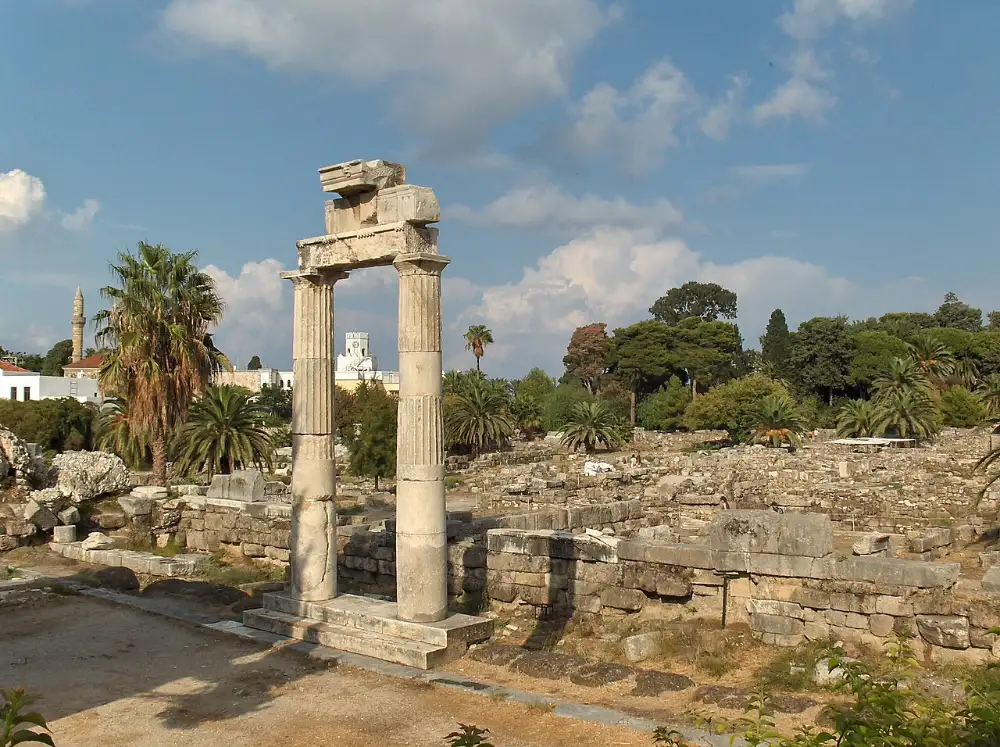
Over the ancient layer sit two more. The Ottoman centuries left the Defterdar mosque on the main square and the Loggia mosque beside the plane tree; the Italian interwar occupation left the boulevards and public buildings that give the modern town its shape. Few places this size let you read that much history in a half-day walk.
Neratzia Castle, the Knights of St John fortress at the harbour mouth, is the skyline - but the July 2017 earthquake damaged it, and access has varied in the years since. Check its current status on the ministry’s site before you plan around going inside.
The Hippocrates Plane Tree stands near the castle bridge, propped up by scaffolding and reverence. Tradition says the father of medicine taught beneath it; the claims of 2,400 years and more are legend wrapped around a genuinely ancient tree, and it is better enjoyed that way.
The town has two lives: busiest in the middle of the day when the cruise and excursion crowds are in, and at its best in the evening, when the harbour front and the bar street belong to the town again.
The Asklepion, and why Kos calls itself Hippocrates’ island
If you leave the sunbed for only one sight, make it the Asklepion. This was the ancient world’s most famous healing sanctuary: a place of treatment and a medical school in the tradition of Hippocrates, built after his death and at its height in the 3rd and 2nd centuries BC, with temples, infirmaries and colonnades stepped up a green hillside on three terraces. Climb to the top terrace and the reward is the view his successors worked with: across the town and the strait to the Turkish coast.
It sits about 4 km southwest of Kos Town, which makes it an easy ride on the inland branch of the bike lane, a short bus hop, or a seat on the tourist road train from the harbour. Entry is ticketed, and the fee is misreported across travel blogs, so take the current price and hours from the Hellenic Ministry of Culture. Go at opening or in the last hour or two; the middle of the day belongs to the excursion coaches.
Beaches: sandy north, cove-and-cliff south, and Kefalos bay
The beaches of the island of Kos sort cleanly by coast, which makes choosing easy. The north - Tigaki, Marmari and Mastichari - is the long, shallow, dune-backed sand: the family pick, with warm knee-deep water a long way out and a steady breeze that keeps the windsurf schools in business. Mastichari adds a working village and the Kalymnos ferries.
Around Kos Town the picture is more mixed. Lambi is the convenient town-edge strand; Psalidi is gravel, honestly not the reason you came; and beyond Agios Fokas, Therma is the oddity worth the ride - hot spring water pools into the sea behind an arc of boulders, and the swim works even in the shoulder season.
The south coast, under the Kefalos hills, hides the postcard coves: Paradise Beach (its official name - the excursion boards also call it Bubble Beach), Magic, Camel and Langades, a run of sand-and-cliff bays with sunbed concessions in season. Then the island ends in Kefalos bay, where Agios Stefanos beach faces the tiny chapel-topped islet of Kastri, with the ruins of two early-Christian basilicas right on the shore. Around the corner on the wild west side, Agios Theologos is the sunset beach, with a lonely taverna and open sea.
The trade-off across all of them is service versus space: the north and south resort runs are organized sunbed territory, while the west is emptier, windier and yours.
Zia, Mount Dikeos and the green interior
Zia is the prettiest of the mountain villages on the slopes of Dikeos, and the island’s sunset ritual - which is exactly the problem. Nearly every coach tour on the island ends there at dusk, and the high-season crush is real. Come for a late lunch instead, or use the village as a trailhead and let the tour buses have the sunset.
The best hiking in Kos starts where Zia’s lanes stop: the summit trail up Mount Dikeos, the island’s highest ridge. Ten minutes up, the crowds are gone; from the ridge you get the whole flat island at your feet and Turkey across the water. Carry water and wear real shoes - the path is stony and shadeless higher up.
The rest of the interior fills out a half day well: the Asfendiou villages scattered below Zia, the medieval fortress and working windmill at Antimachia, and the farm plain that keeps the island greener than most of the Aegean. Treat the interior as the trip’s escape valve, not its spine.
Day trips: Bodrum before lunch, a live volcano by ferry
No Greek island this size day-trips better, and the deck starts with another country. Bodrum sits 20-30 minutes across the strait from Kos Town harbour, and standard excursions give you a few hours ashore - typically enough for the crusader castle, the site of the Mausoleum of Halicarnassus, the bazaar and the marina. It is an international border: bring your passport, and check Turkey’s current entry rules through official Turkish government sources before you book, not a tour seller’s summary.
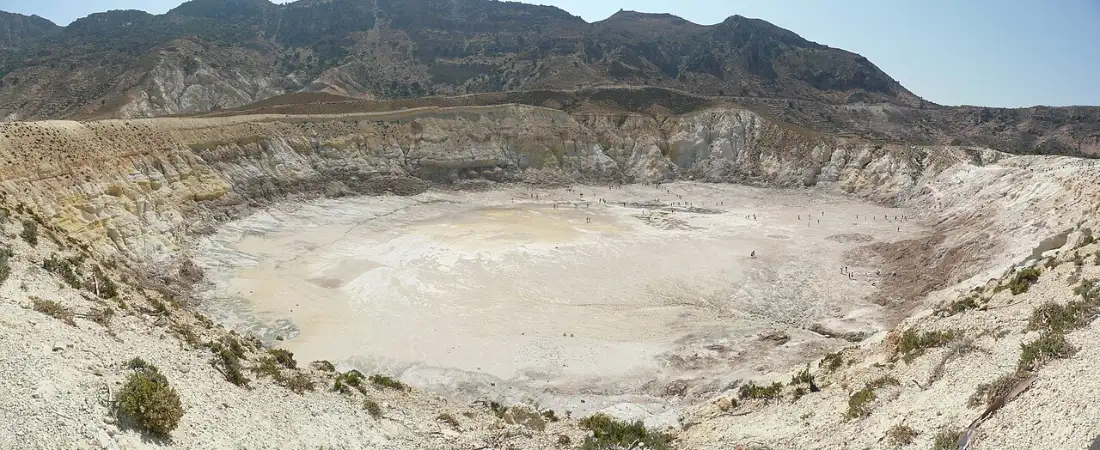
Nisyros is the signature Greek day trip. It is a live volcanic island, and you can walk down into the Stefanos crater itself - steam vents, sulphur smell, a moonscape floor - then look around Mandraki’s lanes and the cliff monastery of Panagia Spiliani. Ferries take somewhere between about 50 minutes and an hour and a half depending on the boat, and several operators work the route, and in summer, excursion boats also run from Kardamena.
Kalymnos, 30-50 minutes away mostly from Mastichari, is a different world: Pothia’s amphitheatre of a harbour, the sponge-diving history, and rock climbing with a global reputation. Pserimos, the beach islet in between, is excursion-boat territory - one strand, a few tavernas, done by dinner.
The bigger Greek islands around Kos work less well in a day. Rhodes is 2-3 hours each way and Symi about 2; both are better as legs of a Dodecanese hop than as a long day’s dash.
When to go: a long charter season with a quieter shoulder
Come in May-June or September to early October. Those months are Kos at its best: warm days, a sea still worth swimming, thinner crowds and softer prices than the peak. July and August are the trade - the hottest, fullest, full-price weeks of the charter season, when the meltemi breeze keeps the north coast lively for windsurfers and midday cycling stops being fun.
The calendar’s edges matter more here than on year-round islands. Kos is a package island, and most resorts, along with much of Kardamena and the north-coast strips, shut from roughly November to March; Kos Town keeps a year-round life of its own. April and late October suit walkers and ruin-hunters more than swimmers.
| Season | Crowds | Prices | What works |
|---|---|---|---|
| April | Light | Low | Walking, ruins, cycling; sea still cool |
| May-June | Moderate | Mid | The full island: beaches, bikes, day trips |
| July-August | Heavy | Highest | Beach weeks; sights early, breeze on the north coast |
| September-October | Moderate | Mid | The full island, with the warmest sea |
| November-March | Light | Lowest | Kos Town city breaks; resorts largely shut |
For the country-wide version of this logic, see best time to visit Greece and the month-by-month weather guide.
Kos or Rhodes, and where Kos fits an island-hopping trip
Choose Kos over Rhodes for ease: smaller, flatter, simpler, a bike-and-beach island with one great ancient site and the best day-trip deck for its size. Choose Rhodes for the walled medieval city and enough sights and beaches to fill a second week. They sit 2-3 hours apart by ferry, so a split trip works - the full Rhodes case is on its own page.
Either way, you are on the Dodecanese line, not the Cyclades one. The ferries run Rhodes-Kos-Kalymnos-Leros-Patmos, which makes Kos island a natural middle stop on a hop through the group, while Santorini and Mykonos sit on a different network you reach via Athens by air. Map the chain in the Dodecanese islands guide, plan the legs with the island-hopping guide, or start from all our Greece destinations.
Kos FAQ
Is Kos worth visiting?
Yes, for a specific kind of trip: easy sandy beaches, a harbour town layered with knights, Ottomans and Italians, the ancient world’s most famous healing sanctuary, and day trips no other Greek island matches - Turkey in half an hour, a live volcano in about one. If you want wild, undeveloped Greece, look to the smaller Dodecanese instead.
How many days do you need in Kos?
Four to five days: the town, the Asklepion, both beach coasts and one day trip. Three is brisk. A week - the package norm - funds Nisyros, Bodrum and Kalymnos without repeating a beach. The how-many-days section above breaks down what each length actually buys.
What is the best time to visit Kos?
May-June and September to early October: warm, swimmable and quieter than the July-August charter peak. Much of the resort island closes from roughly November to March, though Kos Town stays lived-in year-round. See best time to visit Greece for the country-wide picture.
How do you get to Kos from Athens?
Fly - about an hour to Kos airport (KGS) with Aegean or Sky Express. The alternative is a Blue Star overnight ferry from Piraeus of roughly 9.5-14 hours with cabins and no high-speed option. In season, direct European charters skip Athens entirely. Details in Greek island ferries.
Can you do a day trip to Turkey from Kos?
Yes - Bodrum is 20-30 minutes by ferry from Kos Town harbour, and standard excursions give a few hours ashore for the castle, bazaar and marina. It is an international border crossing: bring your passport and check Turkey’s current entry rules with official Turkish sources before you book.
Kos or Rhodes - which should you choose?
Kos for an easier, flatter, smaller island you can genuinely cycle, with better day-trip variety for its size; Rhodes for the walled medieval Old Town, bigger beaches and enough sights to fill a second week. They are a 2-3 hour ferry apart, so a split trip works.
What is Kos famous for?
Hippocrates - the father of medicine was born here by tradition, and the Asklepion healing sanctuary and his legendary plane tree anchor the island’s identity. Beyond that: long sandy beaches, a castle-guarded harbour town, and being the flattest, most bikeable of Greece’s famous islands.
Plan by category
The Kos guides
6 guides, each scoped to a decision you actually have to make.
 Attractions
Things to do
See the attractions →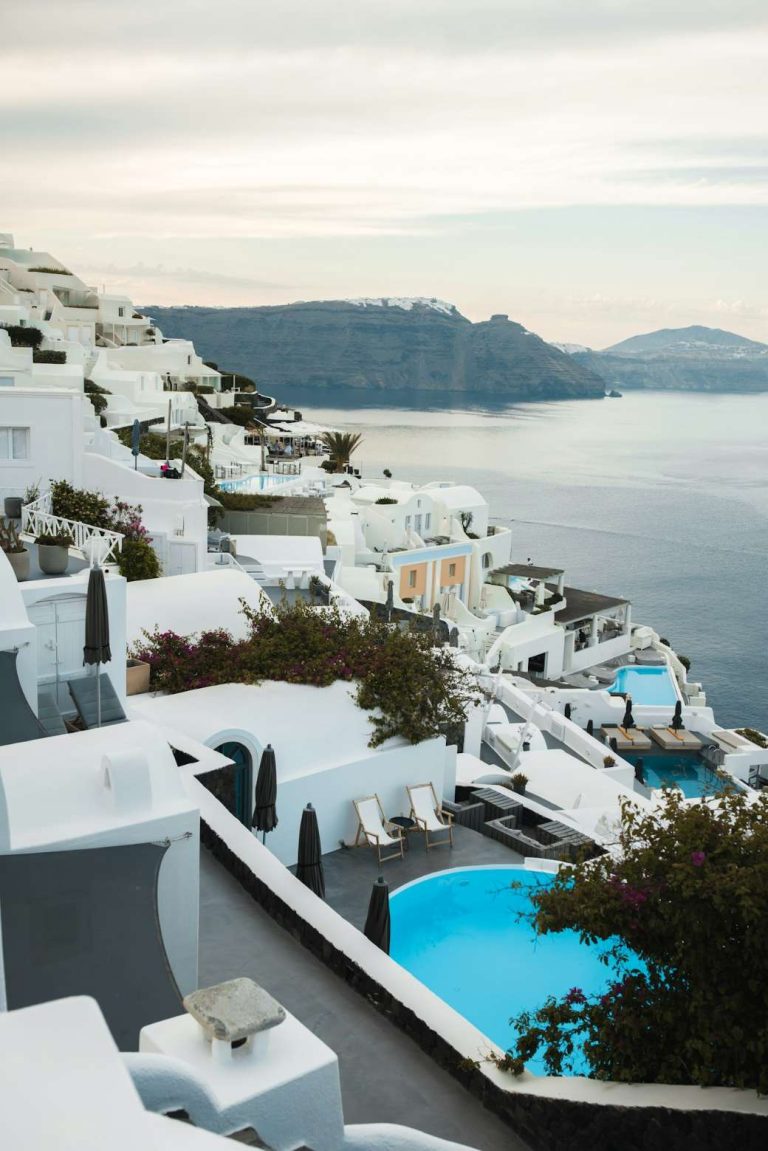 Hotels
Where to stay
Compare the areas →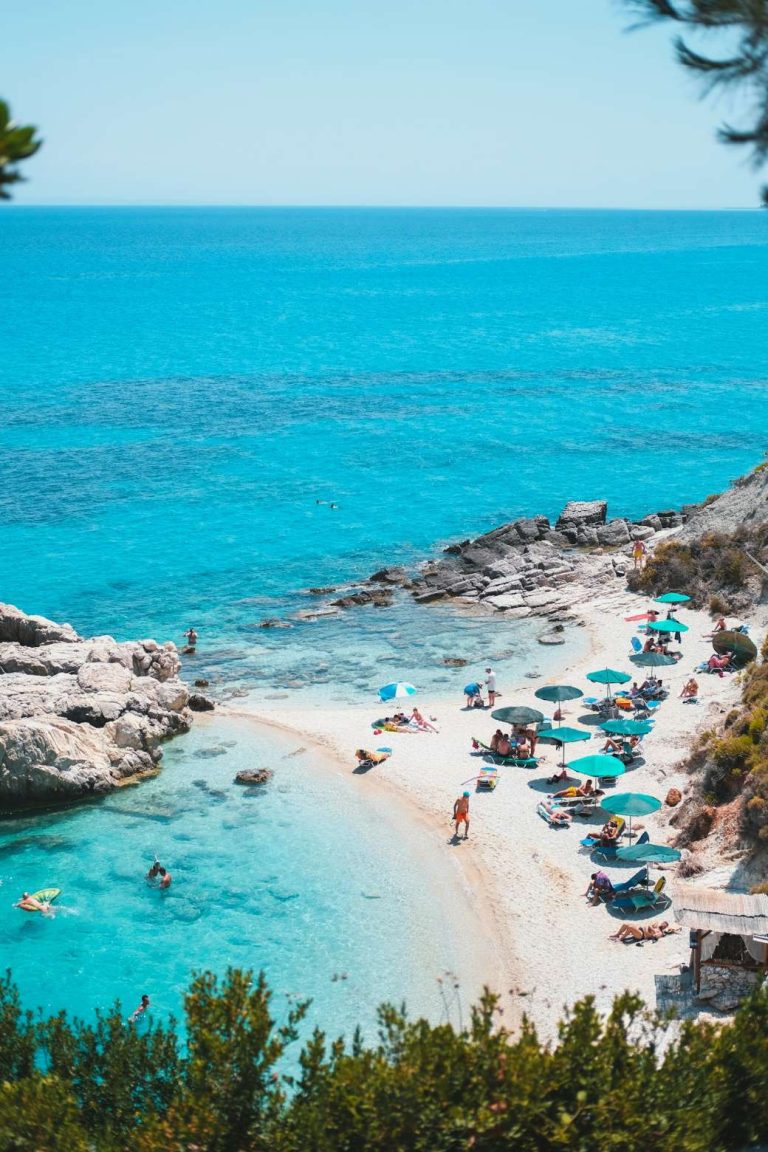 Beaches
The beaches
See the beaches →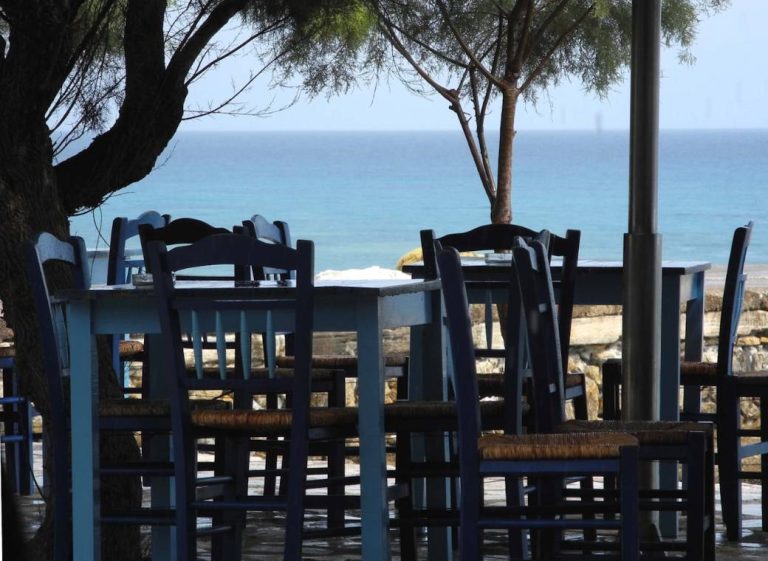 Restaurants
Where to eat
See where to eat →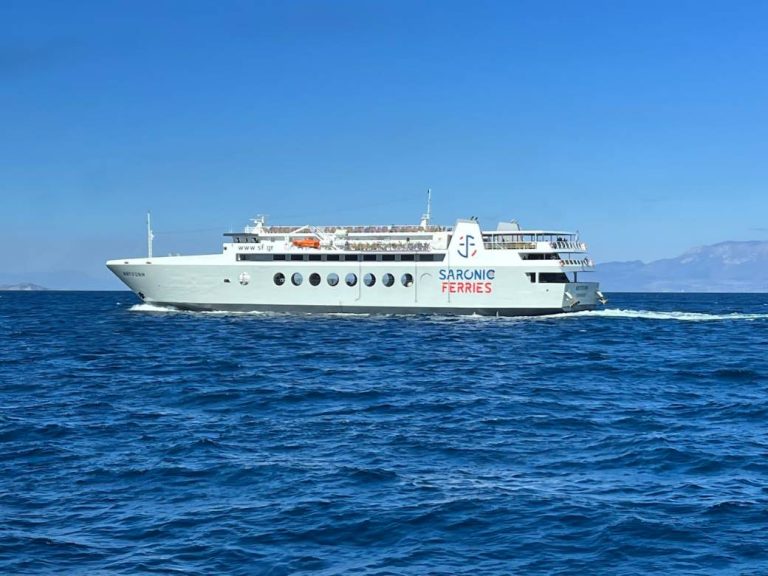 Itinerary
Day by day
See the itinerary →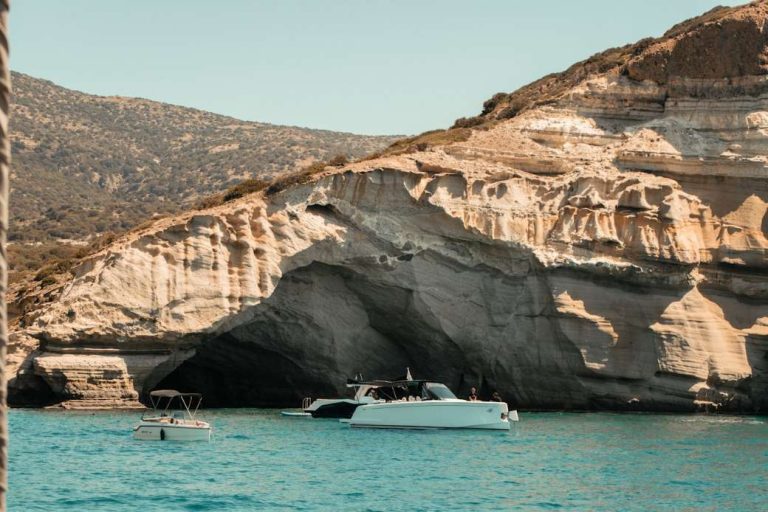 Day trips
Day trips
See the day trips →
Booking
We sell nothing and book nothing for you. Every guide on this page tells you how to arrange each piece yourself - which ferry operator, when to book, what to prebook and what to leave loose.