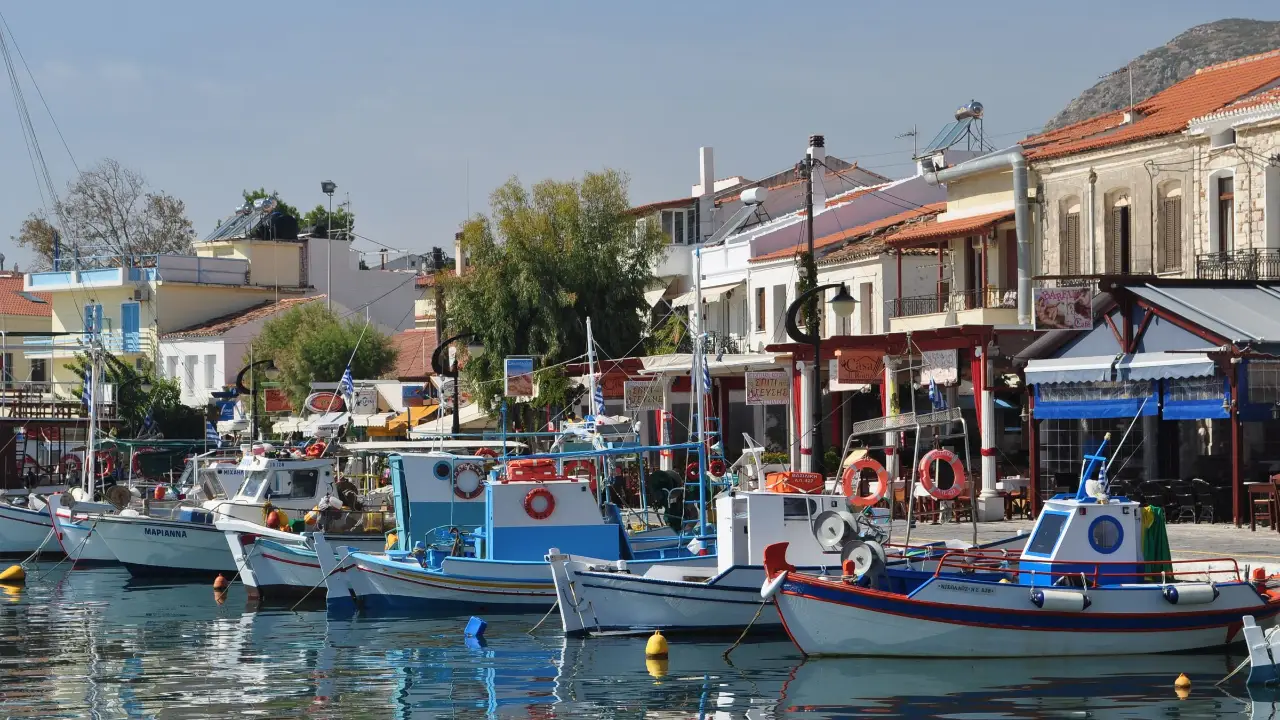
Where it is
Samos is a green, mountainous island in the eastern (North) Aegean, one of the closest Greek islands to the Turkish coast; the main towns are Vathy (Samos Town, the capital), Pythagorio, Karlovasi and Kokkari
Airport
Samos Airport “Aristarchos of Samos” (SMI), near Pythagorio; the Greek domestic carriers Olympic Air and Sky Express fly it, joined by a summer roster of European airlines
Ferry from Athens
Blue Star Ferries from Piraeus into Karlovasi (from about 7 hr 35) and Vathy (from about 8 hr 30), three to seven days a week - an overnight or whole-day leg, not a transfer. Local links reach Ikaria, Fourni, Chios and Patmos; boats to Kusadasi in Turkey run from Vathy and Pythagorio, about 30 min to 1 hr 30, roughly March to November
Best months
May to June and September to October for warm days, a swimmable sea and comfortable hiking; July and August are hottest, busiest and windiest on the north coast
Travel details last checked July 2026.
Where Samos sits, and why it is greener than you expect
Samos is a green, mountainous island in the eastern Aegean, set across a narrow strait from the Turkish coast, and it rewards travellers who plan it whole rather than drop in for a weekend. You come for deep antiquity, mountain-village trails and sweet wine, with ancient Ephesus reachable across the water in a morning. It is not a manicured resort island, and from Athens it is not quick to reach. Give it several unhurried days and it repays them.
The island of Samos lies in the north-eastern Aegean, one of the closest Greek islands to the Turkish mainland. The strait between them narrows to a few kilometres, close enough that the far shore is part of the view from the east coast. This is not the bare, whitewashed Cyclades most first-timers picture when they think of Greece.
The greenness is geography, not decoration. Two ranges fill the island, Mount Kerkis in the west and the Ampelos, also called Karvounis, range through the centre. High ground catches the passing weather, so the upper slopes hold pine forest, springs and seasonal waterfalls, and the terraces below grow vines where the Cyclades grow rock. The result feels closer to a corner of the mainland set adrift than to a Cycladic postcard.
Four places orient the whole island. Vathy, also called Samos Town, is the capital and main port, on the north-east. Pythagorio sits on the south coast, near the airport and the ancient sites. Karlovasi anchors the west, and Kokkari is a village on the north coast. They sit far enough apart that where you arrive shapes your first day.
Green and mountainous has a plain consequence for your trip: this is an island for hiking, villages and wine, not a flat strip of beach bars. Its Aegean neighbours Ikaria and Chios share that character, and for where Samos fits among the country’s other islands, start with the Greek islands overview.

Diagram by Greece Trips. Free to reuse with credit - CC BY 4.0.
Getting to Samos: fly in, or commit to the overnight ferry
The quick way to Samos is to fly. The island has its own airport near Pythagorio, with domestic flights from Athens year-round, so you can be on the ground in a short hop rather than a long sea crossing. The alternative is the ferry from Piraeus, and it is a commitment: an overnight or most-of-a-day sailing. For a short trip, fly; keep the ferry for slow island-hopping.
The airport’s official name is Samos Airport “Aristarchos of Samos”, after the ancient astronomer, and its code is SMI. Its own site lists the Greek domestic carriers, Olympic Air and Sky Express, alongside a summer roster of European airlines - Austrian, Eurowings, Jet2, Norwegian, TUI and Transavia among them - which is the shape of the schedule: Athens all year, most of Europe only in season. Routes change, so check the airline rather than a guide.
By sea, the crossing from Piraeus, Athens’ main port, is a long one. Blue Star Ferries runs it into Karlovasi and Vathy, three to seven days a week depending on the season, and even the fastest sailings take the best part of eight hours to Karlovasi and longer again to Vathy. Treat it as an overnight or a whole-day leg of the trip rather than a quick transfer, and check the timings when you book, because they move with the season.
Samos has three ports, and they are not interchangeable. Vathy and Karlovasi on the north and west take the mainland ferries; Pythagorio on the south handles shorter regional sailings; and the boats to Turkey use Vathy and Pythagorio both. Confirm which one your ticket names, because they sit far apart.
The island also sits on a local ferry web that makes it easy to pair with a neighbour: Ikaria, Fourni, Chios and Patmos are the usual links, with seasonal sailings toward the Cyclades. That web is why many travellers bolt Samos onto a slower island-hopping route rather than treating it as a solo trip.
So the rule is simple. For a short visit, fly, and keep the ferry for slow hopping or the pleasure of arriving by sea. The mechanics of both are in Greek island ferries and flights within Greece, and for the wider picture of where you can even land by plane, see which islands have an airport.
Getting around: why most of Samos wants a car
A car is what turns a stay into the island. Public buses do run, and they connect Vathy, Pythagorio and Karlovasi along the populated spine, but they thin out fast beyond it and cluster around the towns rather than the trailheads and coves you came for. Travellers who rely on them report a sparse, town-shaped timetable, which leaves the mountain villages and the remote beaches largely out of reach without your own wheels.
With a car, the rest of the island opens up: the hill villages on the forested slopes, the quiet south coast, and the walk-in beaches on the north-west. A scooter works for confident riders on the main roads, though the interior is another matter.
Be honest with yourself about the driving. Samos is mountainous, and the roads up to the villages are a run of switchbacks and blind bends, with meltemi gusts on the exposed stretches and the odd goat where you least want one. None of it is beyond an ordinary small car at an unhurried pace, but it is not motorway cruising either.
Parking is the trade-off in Vathy and Pythagorio, where the old cores are tight; everywhere else the freedom is worth more than the hassle. For the mechanics of hiring and driving, see renting a car in Greece, which islands need a car and getting around Greece.
When to go, and the two windows worth planning around
Samos is at its best in late spring and early autumn: roughly May into June, and September into October. The days are warm, the sea is still swimmable, the trails are comfortable to walk before the summer heat sets in, and the crowds are thinner than at the peak. Those two windows are what you plan a Samos trip around.
Mid-July to late August is the other reality, stated plainly: hot, busiest, and the season when the meltemi blows hardest across the north coast. Come then and you accept crowds and wind in exchange for the longest, warmest sea and the fullest calendar of village festivals.
The choice really turns on what you came to do. Shoulder season suits hikers, wine-tasters and anyone who wants the antiquity without queuing for it, because comfortable walking weather matters to them more than a guaranteed flat sea. High summer suits beach-first travellers who will chase shelter on the south coast when the north turns rough, and who do not mind sharing the sand.
One honest caveat: the shoulder seasons are a recommendation, not a forecast. Warm and swimmable are typical, not promised, and an early cold snap or a late heatwave can move the goalposts either way. For the country-wide picture, see the best time to visit Greece, shoulder season in Greece and the month-by-month weather guide.
The antiquity that earns the UNESCO badge
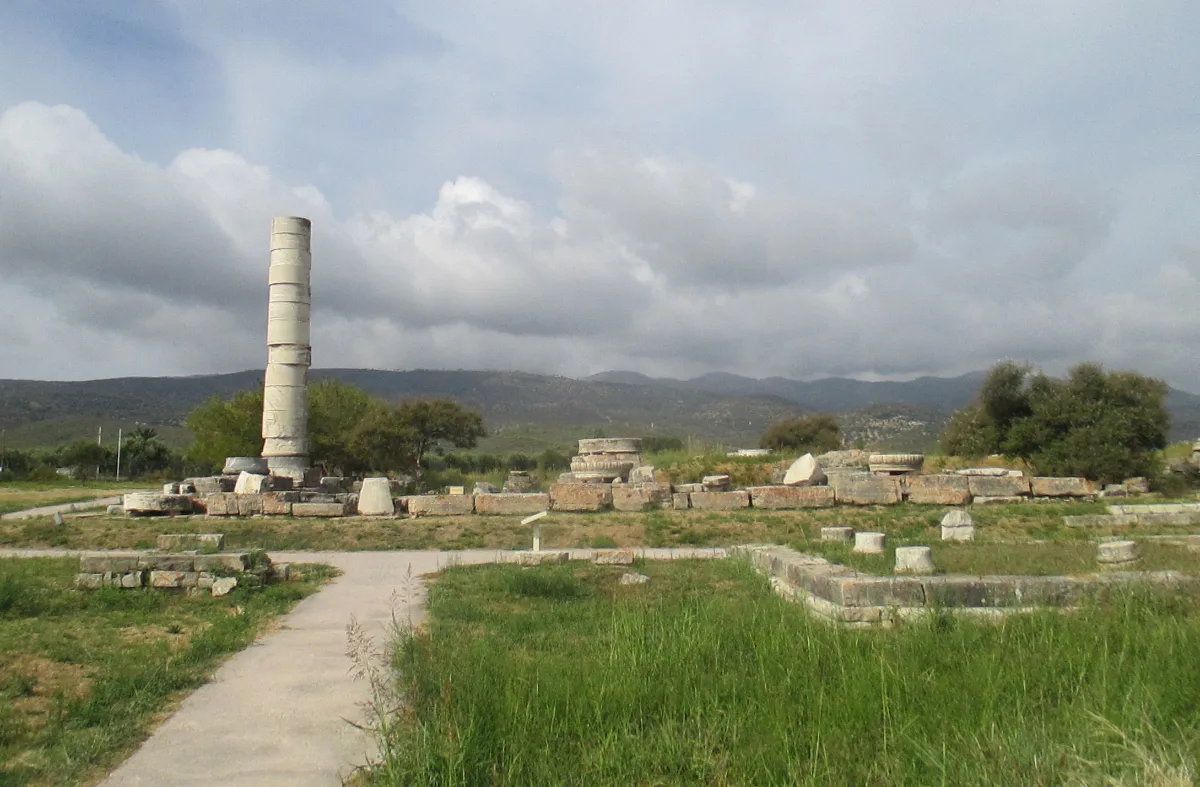
Samos carries an ancient record that punches well above the island’s fame. Its two headline sites are inscribed together on the UNESCO World Heritage List as Pythagoreion and Heraion of Samos: the Heraion, the great sanctuary and temple of the goddess Hera on the coastal plain, and Pythagoreion, the ancient fortified port that lies under and around the modern town of the same name. Together they are why a history traveller gives Samos a day or two over a purely beach island.
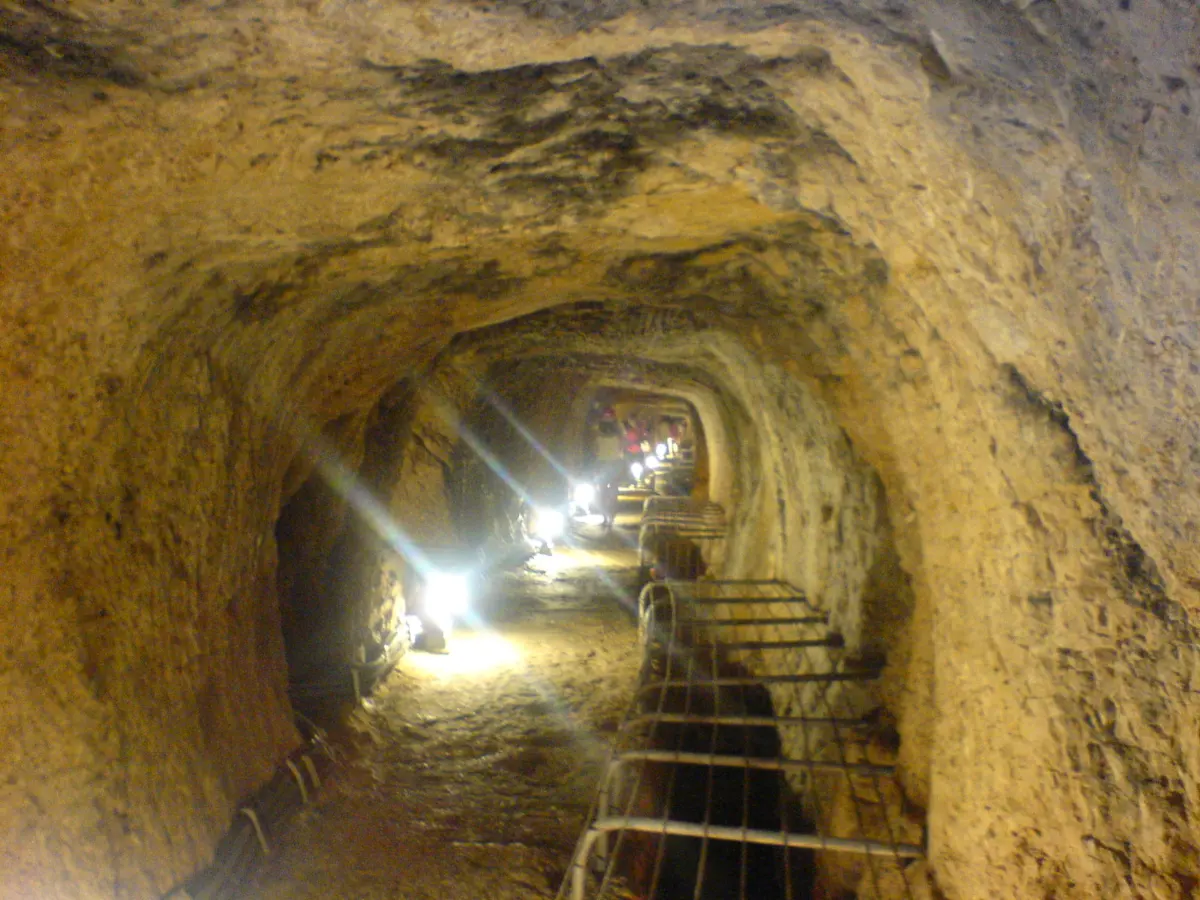
The single most remarkable thing here is the Tunnel of Eupalinos. In the 6th century BC, engineers drove an aqueduct straight through a mountain to carry water to the ancient city, and they dug it from both ends at once, meeting in the middle underground. Doing that with the mathematics and tools of the day, and having the two teams actually meet, is one of the genuine feats of ancient engineering, and a stretch of it can still be walked: the Ephorate of Antiquities of Samos and Ikaria, the culture ministry’s local arm, restored the tunnel for visitors and runs the site. It publishes the current visiting arrangements, and they are worth checking, because how much of the tunnel is open has changed over the years.
The island wears its intellectual history openly. Pythagoras was, by tradition, born here, and the port town Pythagorio is named for him; the astronomer Aristarchus, who put the sun at the centre of things long before it was fashionable, and the philosopher Epicurus are both tied to Samos as well. The birth claim rests on ancient sources rather than a record, which is why it stays “by tradition”.
For a concrete stop, the Archaeological Museum of Samos in Vathy holds the island’s finds across two buildings, a neoclassical one and a modern annexe: the Heraion’s statues, pots and bronze, ivory and wooden offerings on one side, the Archaic sculpture collection on the other, the colossal Kouros among it. The culture ministry publishes its seasonal hours, ticket price and weekly closing day, so check them rather than a guidebook. If ancient sanctuary islands are your thing, Delos is the other great one to pair with Samos on a longer route.
A morning in Turkey: the Ephesus day trip across the strait
From Samos you can eat breakfast in Greece, walk the marble streets of ancient Ephesus by mid-morning and be back on the island for dinner. Short ferries cross the strait to Kusadasi on the Turkish coast, and from there Ephesus, one of the best-preserved ancient cities anywhere in the Mediterranean, is a short drive inland. Boats run from both Vathy and Pythagorio, two to seven days a week between roughly March and November, and the crossing itself is genuinely short - from about half an hour up to an hour and a half depending on the boat. The round trip fits into a single day.
Treat it as what it is: an international border. Leaving Samos for Turkey means stepping out of Greece and the Schengen area and back again, so your passport goes with you, not your driving licence. Whether you need a Turkish visa or an e-visa depends entirely on which passport you hold, and travellers on this route also report a local port charge collected on the Turkish side. Neither is something to take from a travel page: check your own nationality’s requirement on Turkey’s official e-visa service, and budget for a charge at the port without expecting a particular number.
The honest catch is time, and it is not the sailing. Passport control at both ends, plus a last return boat that is fixed and non-negotiable, means this is a full day out and not a side-errand you squeeze around lunch. Check the day’s sailing times with the operator before you commit to it Build it in as a day of its own and it is one of the most rewarding things Samos offers. For what documents you need and how the Schengen clock works, see entry requirements.
Mountain villages, waterfalls and a real trail network
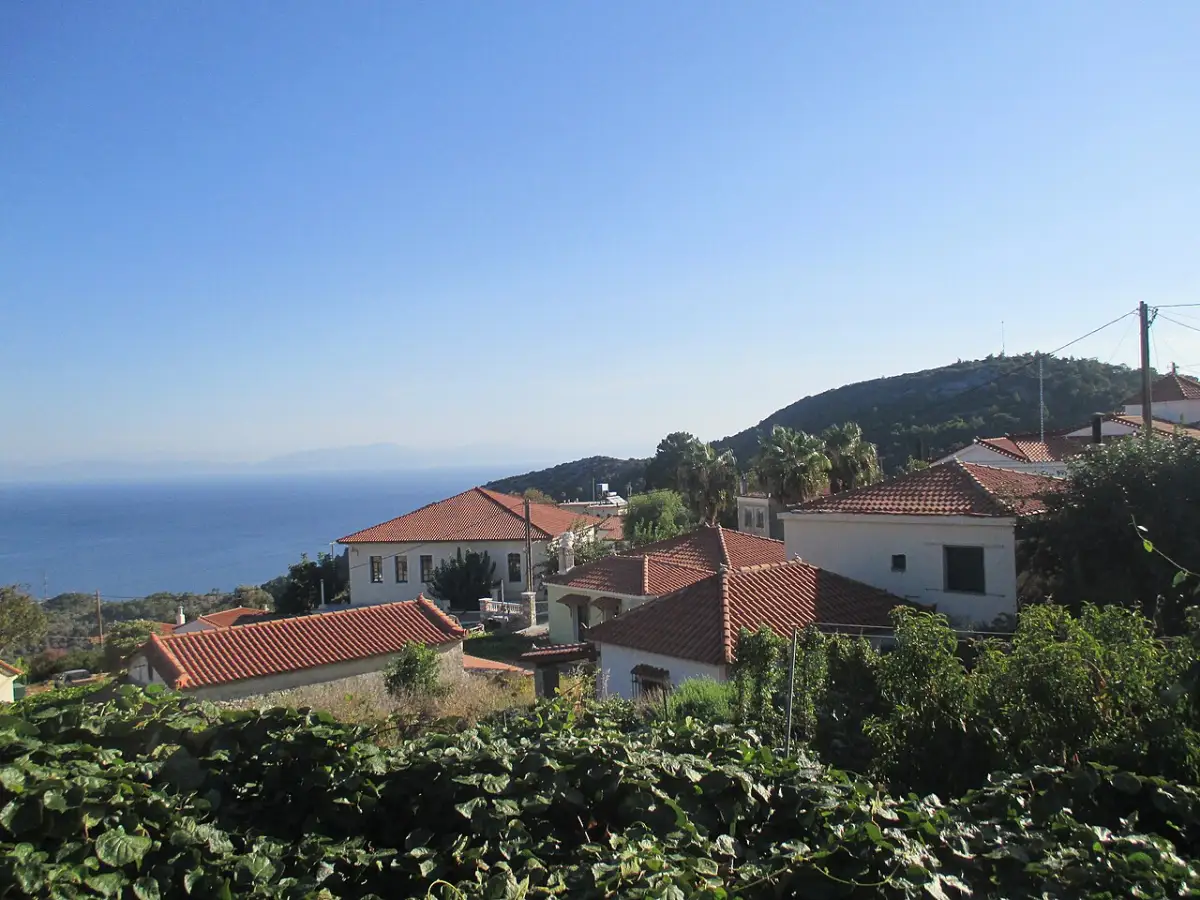
The interior is the reason to come. Samos has an unusually well-developed network of marked walking trails, linking stone villages, gorges, chapels and beaches across the forested slopes, and it makes the island as much a walker’s place as a swimmer’s one.
A few walks are worth naming because the geography does not change. The Potami waterfalls near Karlovasi are a short, shaded walk up a stream to pools you can swim in. Mikro and Megalo Seitani, on the wild north-west coast, sit inside a Natura 2000 protected area and are reached on foot along a coastal path rather than by car, which is exactly why they stay quiet. Inland, the villages of Manolates and Vourliotes cling to the northern slopes among the pines, worth the winding climb for the setting alone.
Beaches sort themselves by wind, and it pays to know the pattern before you book. The north coast around Kokkari, with Tsamadou and Lemonakia close by, is the scenic side, but it takes the meltemi head-on and turns choppy on windy days. The south and south-west, around Pythagorio, Ireon and Marathokambos, sit in the lee and stay calmer when the north is churning. Beach names on Samos are durable geography, so plan by them, and let the day’s wind decide which coast you drive to. For how the meltemi actually behaves and what it does to swimming, see what the sea is like.
Sweet Muscat: the wine that carries the island’s name
On a wine label, “Samos” is a designation in its own right. The island’s protected appellation, established in 1970, is made almost entirely from white Muscat, the Muscat Blanc a Petits Grains grape, and it is one of the classic sweet wines of the Mediterranean. Unusually, the name of the grape can be left off the label entirely, because the word Samos alone is legally enough.
Two styles are worth telling apart. Vin doux naturel is fortified, its fermentation stopped with spirit to hold the sweetness; the version sold as Nectar is made from grapes left to shrivel and concentrate in the sun before pressing, which gives a darker, richer, raisined wine. Both come from the same white Muscat.
The wine also carries a real institution. For most of the last century the Union of Vinicultural Cooperatives of Samos was effectively the island’s sole producer, and it made Samian sweet wine the best-known Greek wine abroad; private wineries have joined it since 2016. The terraced vineyards climb the central mountain around Ampelos, so an afternoon given to the wine doubles as a drive up into the green interior, and the wine museum near Vathy is a durable place to begin before you taste. For where Samos sits at the wider table, see Greek food and drink.
Who Samos suits, and who should pick another island
Samos is for travellers who want green landscapes, serious antiquity, walking trails, sweet wine and the Ephesus crossing, and who will give it three to five unhurried days. It is the wrong island for a two-night beach-club stop, for anyone set on classic whitewashed-and-blue-dome scenery, or for a short easy hop from Athens, because reaching it is a commitment.
On length: two to three days is a rushed taste, enough for the antiquity and one swim. Four to five is the sweet spot, room for the Heraion and Pythagorio, one good hike, a wine afternoon and the day in Turkey. A week suits slow travellers and the far beaches.
Be clear-eyed about character. This is a working island rather than a manicured resort, and that is most of its appeal. It also sits on the European Union’s external sea border. The Greek migration ministry lists a closed controlled access centre for asylum seekers in the Zervou area, inland from Vathy - part of the reality of a front-line eastern-Aegean island rather than something the visitor coast is built around. Weigh that honestly. To fit Samos into a longer route, see island hopping in Greece or browse all destinations.
Practicalities worth knowing before you go
A handful of Samos-specific realities save real friction. The first is a phone trap. Because Turkey is so close, a phone near the east coast, and certainly out on the strait, can quietly hop onto a Turkish network, and that connection sits outside EU roaming, so charges climb without your crossing any border you noticed. Check what your plan does off the EU, and consider switching roaming off before you sail. The fixes are in eSIM and staying connected.
Carry cash. Cards are widely taken in the towns, but small village tavernas and shops often prefer or only handle cash, so top up at an ATM in Vathy, Pythagorio or Karlovasi before you head into the hills. How the ATM fees and card quirks work is in money in Greece.
Read the wind. The meltemi blows hardest in high summer and makes the north coast choppy; when it does, the sheltered south is the fallback, so planning your swimming around the day’s wind rather than a fixed beach saves a wasted drive.
Finally, know your port. Vathy, Karlovasi and Pythagorio sit far apart, and the airport is out by Pythagorio, so check which one your ferry uses and roughly how far it is from where you are sleeping before you land.
Samos FAQ
Is Samos worth visiting?
Yes, if you want green mountain landscapes, serious antiquity, hiking, sweet Muscat wine and an easy crossing to Ephesus, and you will give it several days. It is a weaker choice for a quick beach weekend or classic Cycladic looks, and the long ferry from Athens means the island rewards a longer stay.
How many days do you need in Samos?
Three to five days suits most travellers: enough for the Heraion and Pythagorio, one good hike, a wine afternoon and the day trip to Turkey. Two to three is a rushed taste, and a week suits slow travellers and the far beaches. The long journey there is itself an argument for staying longer.
What is Samos known for?
Samos is known as the reputed birthplace of Pythagoras, for the UNESCO-listed Heraion and Pythagoreion with its tunnel of Eupalinos, for its sweet Muscat wine, and for being green, mountainous and close enough to the Turkish coast to reach ancient Ephesus in a morning.
Can you take a day trip to Turkey from Samos?
Yes. Short ferries cross from Vathy and Pythagorio to Kusadasi - about half an hour to an hour and a half at sea, two to seven days a week between roughly March and November - putting ancient Ephesus within a same-day round trip. It is a real international border, so carry your passport, and check the visa or e-visa rules for your own nationality on Turkey’s official service before you go, because they differ by passport. Passport control and a fixed last sailing make it a full day.
When is the best time to visit Samos?
Late spring, around May and June, and early autumn, September into October, are the best windows: warm days, a still-swimmable sea, comfortable hiking and thinner crowds than the hot, busy, windy peak of July and August. Treat it as a recommendation with reasons, not a temperature guarantee.
Do you need a car in Samos?
Not to reach the main towns, which the buses connect, but effectively yes to see the island. A car reaches the mountain villages, the remote beaches and the trailheads, where the bus service is sparse and shaped around the towns. A scooter works for confident riders on the main roads.
Plan by category
The Samos guides
5 guides, each scoped to a decision you actually have to make.
 Attractions
Things to do
See the attractions → Hotels
Where to stay
Compare the areas → Beaches
The beaches
See the beaches →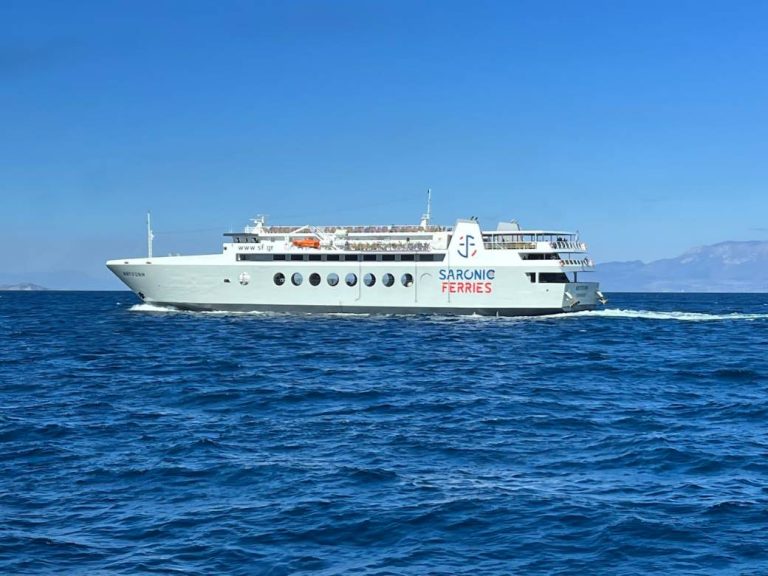 Itinerary
Day by day
See the itinerary → Day trips
Day trips
See the day trips →
Booking
We sell nothing and book nothing for you. Every guide on this page tells you how to arrange each piece yourself - which ferry operator, when to book, what to prebook and what to leave loose.