Samos
Things to do in Samos
Samos is greener and more mountainous than the Cyclades islands it gets compared to, and it carries an ancient record that punches well above its fame. The sights sort into three groups that barely overlap: the antiquity in the south, the forested interior in the middle, and the wine on the terraces between them. There is also a border crossing, which is a day of its own.
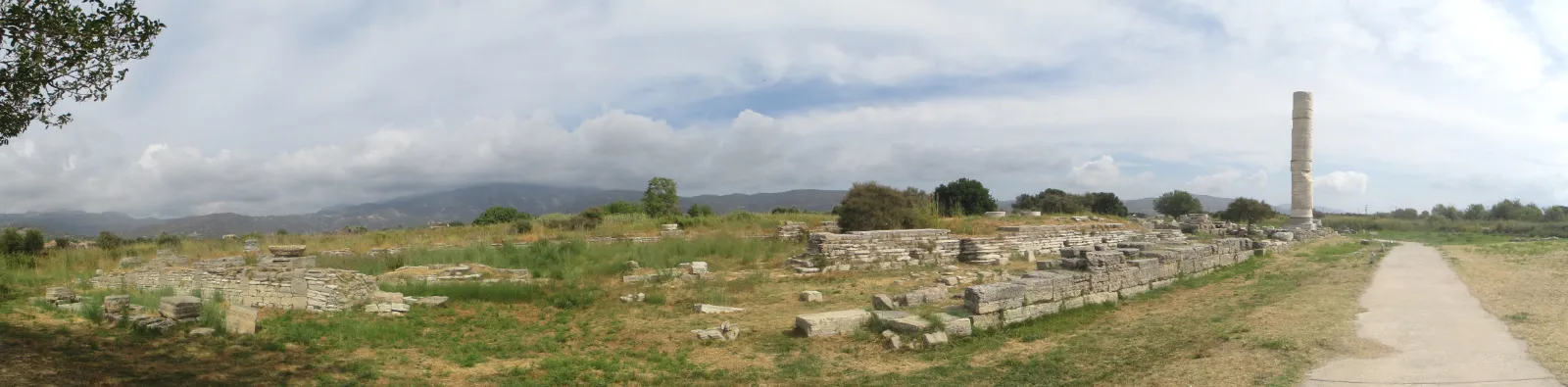
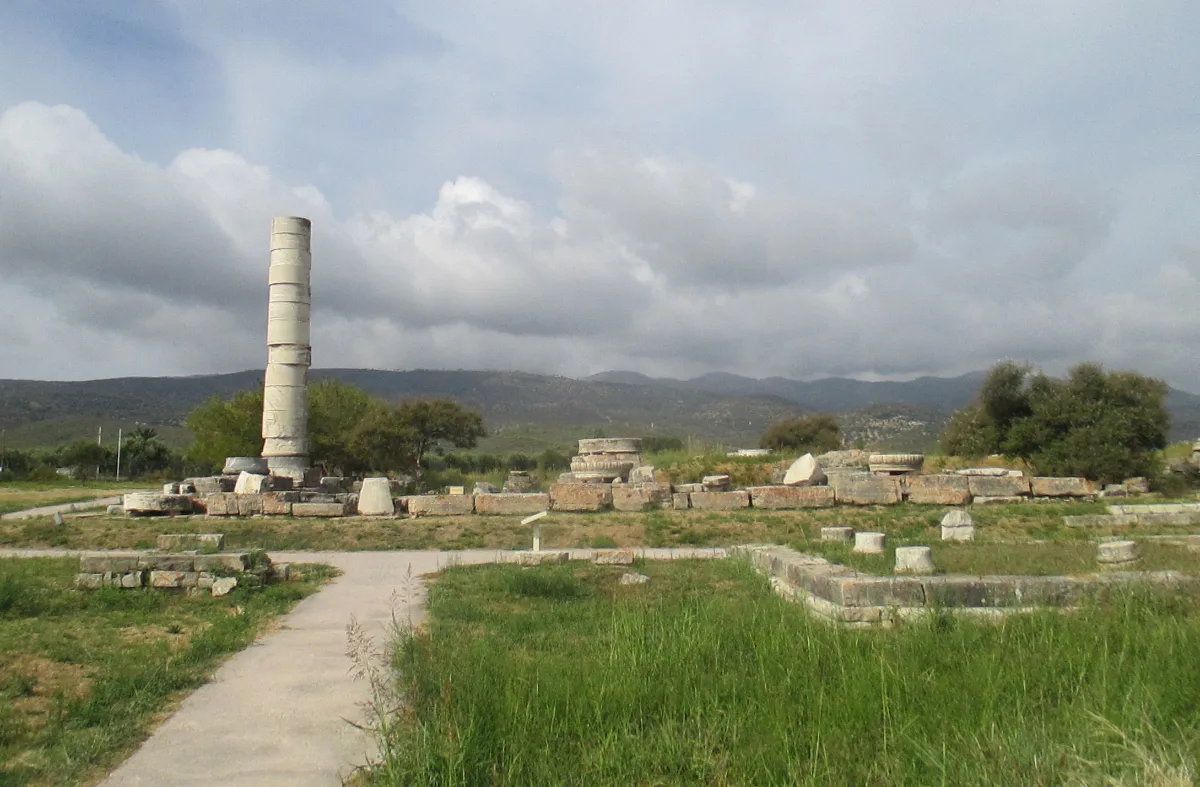
The UNESCO listing, and what it actually covers. Two sites are inscribed together as Pythagoreion and Heraion of Samos: the Heraion, the great sanctuary and temple of the goddess Hera on the coastal plain, and Pythagoreion, the ancient fortified port lying under and around the modern town of the same name. Together they are the reason a history traveller gives Samos a day or two over a purely beach island. We print no inscription year and no criteria, because we could not read UNESCO’s own listing page.
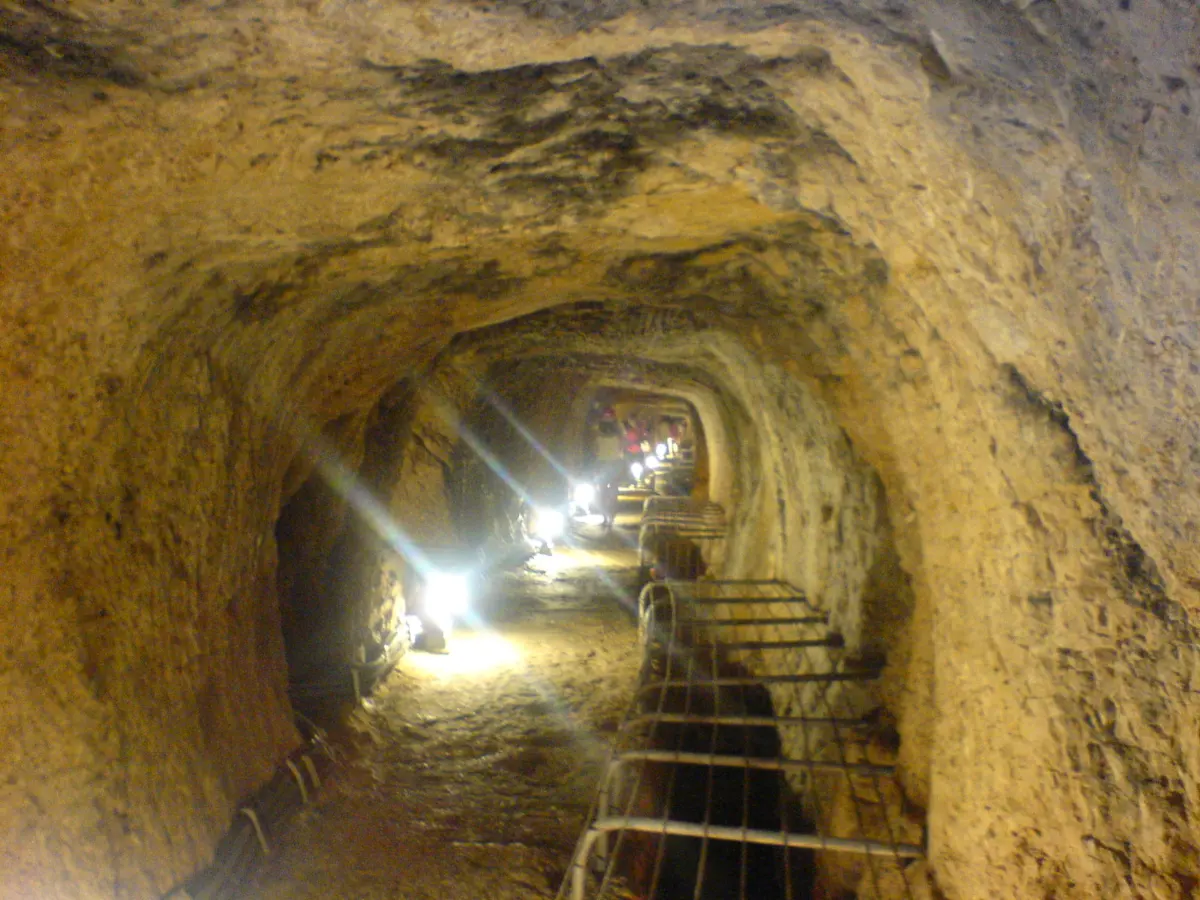
The Tunnel of Eupalinos, which is the single most remarkable thing on the island. In the sixth century BC engineers drove an aqueduct straight through a mountain to carry water to the ancient city, and they dug it from both ends at once, meeting in the middle underground. Doing that with the mathematics and tools of the day, and having the two teams actually meet, is one of the genuine feats of ancient engineering. A stretch of it can still be walked. The Ephorate of Antiquities of Samos and Ikaria restored the tunnel for visitors and runs the site, and it publishes the current visiting arrangements, which are worth checking because how much of the tunnel is open has changed over the years.
The museum, and the island’s intellectual history. The Archaeological Museum of Samos in Vathy holds the island’s finds across two buildings, a neoclassical one and a modern annexe: the Heraion’s statues, pots and bronze, ivory and wooden offerings on one side, the Archaic sculpture collection on the other, with the colossal Kouros among it. The culture ministry publishes its seasonal hours, ticket and weekly closing day, so take them from there rather than from a guidebook. Pythagoras was, by tradition, born here, and the port town Pythagorio is named for him; the astronomer Aristarchus and the philosopher Epicurus are tied to the island too. The birth claim rests on ancient sources rather than a record, which is exactly why it stays by tradition.
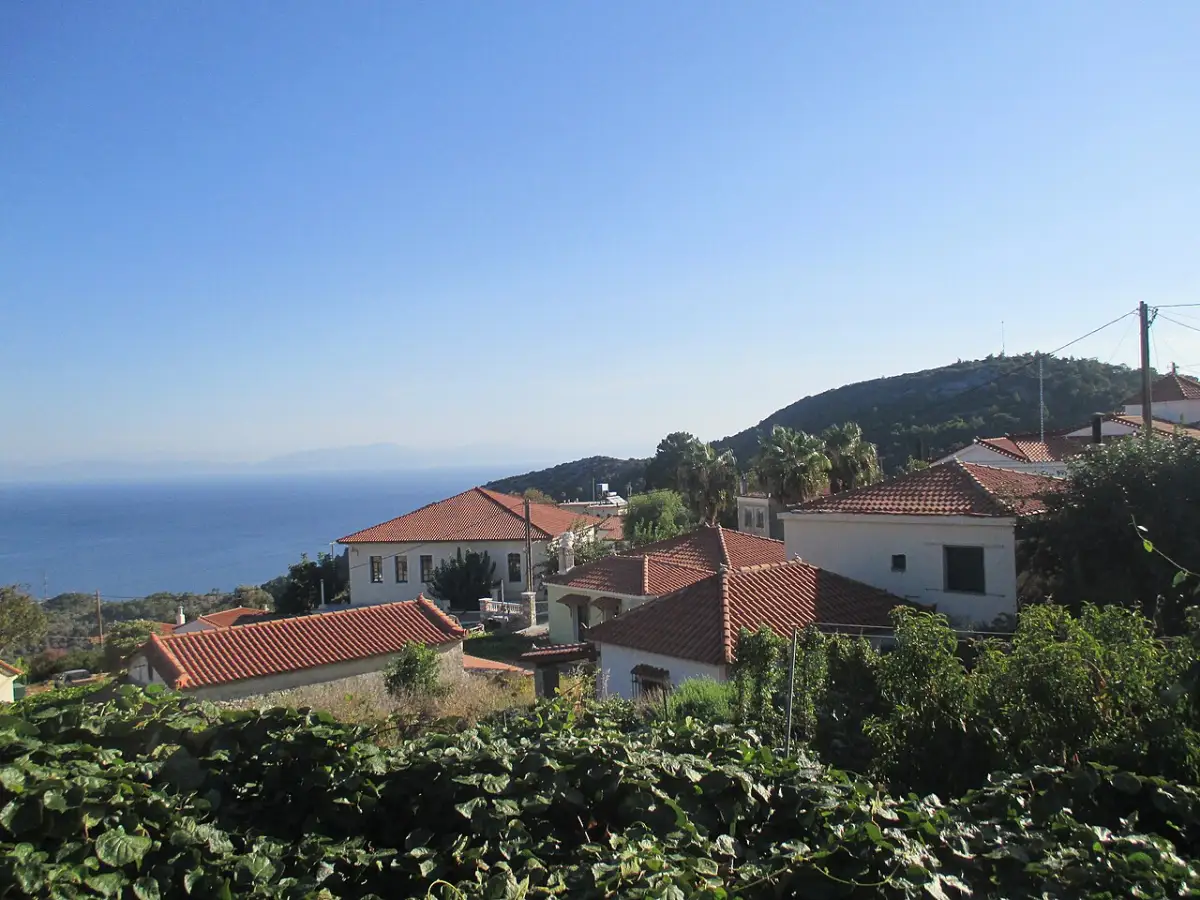
The interior, which is the reason to come and the part most visitors miss. Samos has an unusually well-developed network of marked walking trails linking stone villages, gorges, chapels and beaches across the forested slopes, and it makes the island as much a walker’s place as a swimmer’s. A few walks are worth naming because the geography does not change. The Potami waterfalls near Karlovasi are a short shaded walk up a stream to pools you can swim in. Mikro and Megalo Seitani, on the wild north-west coast, sit inside a Natura 2000 protected area and are reached on foot along a coastal path rather than by car, which is exactly why they stay quiet. Inland, Manolates and Vourliotes cling to the northern slopes among the pines and are worth the winding climb for the setting alone. The country picture is in hiking in Greece.
The wine, which is a designation rather than a souvenir. On a label, Samos is an appellation in its own right. It was established in 1970, is made almost entirely from white Muscat, and is one of the classic sweet wines of the Mediterranean. The grape name can be left off the label entirely, because the word Samos alone is legally enough. Two styles are worth telling apart: vin doux naturel is fortified, its fermentation stopped with spirit to hold the sweetness, while the version sold as Nectar is made from grapes left to shrivel in the sun before pressing, which gives a darker, raisined wine. The terraced vineyards climb the central mountain around Ampelos, so an afternoon given to the wine doubles as a drive into the green interior, and the wine museum near Vathy is a durable place to begin. The wider table is in Greek wine regions.
Ephesus across the strait, and why it is a whole day. From Samos you can eat breakfast in Greece, walk the marble streets of ancient Ephesus by mid-morning and be back for dinner. Short ferries cross to Kusadasi on the Turkish coast from both Vathy and Pythagorio, roughly March to November, and the crossing itself is short. Treat it as what it is: an international border. You are stepping out of Greece and the Schengen area and back again, so your passport goes with you. Whether you need a Turkish visa or an e-visa depends entirely on which passport you hold, and travellers on this route also report a local port charge collected on the Turkish side. Neither is something to take from a travel page: check your own nationality’s requirement on Turkey’s official e-visa service, and budget for a charge without expecting a particular number. The honest catch is time rather than the sailing, because passport control at both ends plus a fixed last return boat makes it a full day. Entry requirements covers how the Schengen clock works.
Beaches sort by wind, which is worth knowing before you book. The north coast around Kokkari, with Tsamadou and Lemonakia close by, is the scenic side but takes the meltemi head-on and turns choppy on windy days. The south and south-west, around Pythagorio, Ireon and Marathokambos, sit in the lee and stay calmer when the north is churning. Plan by the names, which are durable, and let the day’s wind decide which coast you drive to. What the sea is like explains the mechanism, our Samos guide covers the rest of the island, and Athens to Samos covers getting here.