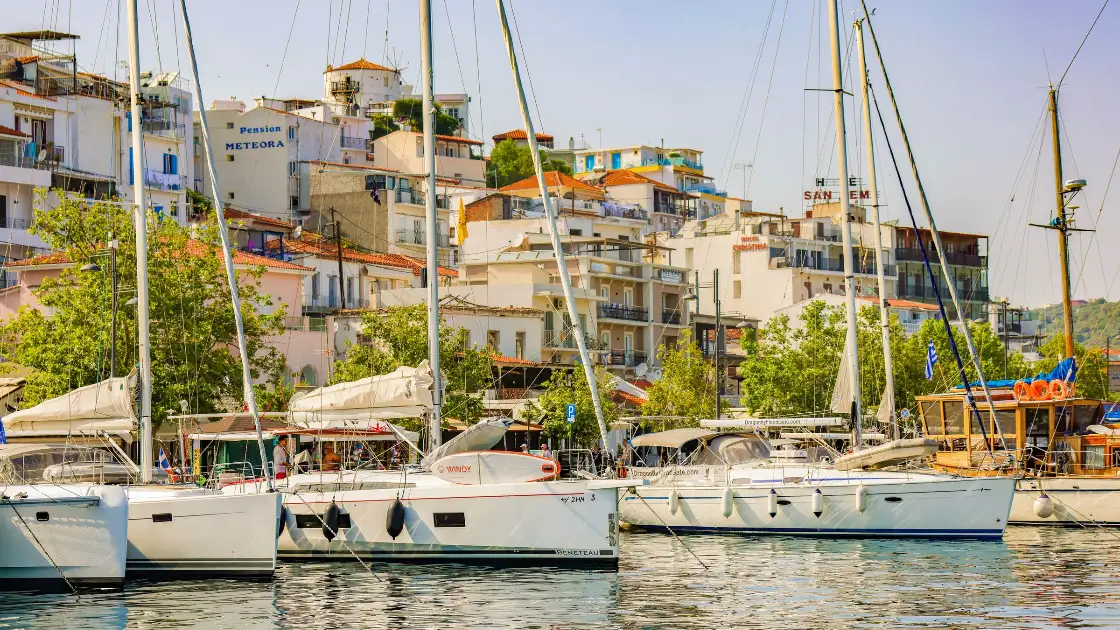
Island and group
Skiathos is a small, green, pine-covered island in the Sporades, in the northwest Aegean off central-mainland Thessaly, with Skopelos and Alonissos a short boat ride east. Main town: Skiathos Town, on the southeast coast
Beaches
widely reported to have more than 60 mostly-sandy beaches, backed by pine; the two landmarks are Koukounaries (golden sand, sheltered south, bus-served) and Lalaria (white pebbles and a rock arch on the wild north, reachable only by boat)
Access
by air or from the central mainland only. Skiathos Airport “Alexandros Papadiamantis” (JSI), run by Fraport Greece, lists around twenty carriers - Olympic Air on the Athens domestic link plus a seasonal European roster. Ferries: Volos about 1h 10m daily (nearest and quickest), Agios Konstantinos about 2h 05m (167 km by road from Athens), Mantoudi on Evia about 40m, Thessaloniki about 3h 10m in high summer only. Onward: Skopelos about 25m and Alonissos about 50m, both daily. No Piraeus sailing and no Cyclades island-hop
Best months
late May to June and September into early October; May to October is the season, July to August the peak, and the island quiets as the charters stop for winter. Warm days, a swimmable sea and thinner crowds off the peak
Travel details last checked July 2026.
One small island that does nightlife and family beaches at once
Skiathos Greece packs two holidays onto one small island: a lively town where the bars run past midnight, and pine-backed beaches calm enough for a toddler by mid-morning. It is a green Sporades island in the northwest Aegean, off the central mainland, with more than sixty sandy beaches, its own airport, and Skopelos a short boat ride east. Because it does both, where you base yourself decides which of those two holidays you actually get. That single call - town or beach - shapes the rest of the trip, and this guide is built to help you make it.
Where Skiathos sits, and why it looks nothing like the Cyclades
If your mental picture of a Greek island is a whitewashed village on a bare volcanic cliff, Skiathos will surprise you. It belongs to the Sporades, a small group in the northwest Aegean strung out off the coast of central-mainland Greece, opposite Thessaly and the Magnesia peninsula. Its neighbours, Skopelos and Alonissos, lie a short way east, and together the three make up the part of the Sporades most visitors ever see.
The island itself is small, hilly and densely green. Stone pine and Aleppo pine run right down to the water in places, the slopes are wooded rather than bare, and the beaches are sand, not the dark volcanic grit you meet further south. For a traveller that difference is practical, not just scenic: softer landscapes, shade near the shore, and sand underfoot on most beaches.
Its size is the other thing worth grasping early. Skiathos is compact enough that a single base reaches most of what you will want to see. The developed south coast, where the town, the port, the airport and the busiest beaches all sit, runs along one sheltered stretch that the island bus covers end to end in well under an hour. You do not need to move hotels to see the south, which is why the base decision later in this guide matters more than any touring plan, and why it helps to see how the island fits among the wider Greek islands before you commit.

Diagram by Greece Trips. Free to reuse with credit - CC BY 4.0.
Getting to Skiathos: fly in, or come from the central mainland
One fact about Skiathos reshapes the whole trip, and almost no guide leads with it: you cannot sail here from Athens or Piraeus, and it is not a stop on any Cyclades island-hop. You either fly into the island’s own airport, or you travel to a central-mainland ferry port and cross by boat. The full set of ways to reach Skiathos:
- Fly to Skiathos Airport “Alexandros Papadiamantis” (JSI): the Athens domestic link, plus seasonal services from across Europe.
- Ferry from Volos, the nearest mainland port and the quickest crossing, from about an hour and ten minutes, daily.
- Ferry from Agios Konstantinos, the port most people reach from Athens by road, in a little over two hours on the water.
- Ferry from Mantoudi, on the long island of Evia, the shortest mainland-side hop at about forty minutes.
- Ferry from Thessaloniki in the north, about three hours and ten minutes, high summer only.
Every one of those departure points is on the central mainland or the north; none is Piraeus, and none is in the Cyclades, which is exactly why island-hoppers coming from Santorini or Mykonos are so often caught out. So the first decision is not a hotel or a beach: it is fly or sail. If you are weighing that up, it helps to know how Greek island ferries work and how flying into Greece connects to an onward island leg. The two H3s below take each option in turn.
By air: the island’s own airport and its low landings
The island’s airport calls itself Skiathos Airport “Alexandros Papadiamantis”, after the local writer, and codes itself JSI. It is run by Fraport Greece and sits just outside town, close enough that the runway is part of the scenery. Its own site lists around twenty carriers: Olympic Air on the Athens domestic link, and a long European roster through the summer, Ryanair, easyJet, Wizz Air, Condor and TUI among them. That seasonal European traffic is how most travellers actually arrive. Routes and carriers change from season to season, so treat the airport’s own site as the authority and check current flights before you count on one.
The airport is also a minor celebrity, for one reason. The runway is short, and it is hemmed in by sea on both sides because it was built on reclaimed land joining Skiathos to the neighbouring islet of Lazareta. Arriving jets drop in very low over the causeway road at the eastern end before touching down, and plane-spotters gather along that road to stand almost under the approach. The photographs are genuinely striking.
Honesty matters here too. The jet blast from a departing aircraft is strong enough to knock a standing person off their feet, and Greek outlets have reported tourists hurt doing exactly that: one thrown to the ground behind a departing jet in June 2025 with minor injuries, and one seriously hurt in July 2022 after being blown off a ledge she was photographing from. Signs are posted, and traffic lights sit at the southern end of the runway for the same reason. Treat the blast zone directly behind departing planes as a real hazard, not a photo opportunity. You may also have read that a spectator was killed by jet blast here. That is a misattribution: the fatal incident happened at Princess Juliana Airport on Sint Maarten, in the Caribbean, not at Skiathos, and it must never be repeated as a Skiathos death. Skiathos is one of a fairly short list of Greek islands with their own airport.
By ferry from Volos or Agios Konstantinos
If you are not flying, you reach Skiathos from the central mainland, through two main gateways. Volos is the nearest port, a working city on the Pagasetic Gulf, and its boats are the quickest at about an hour and ten minutes, running daily. Agios Konstantinos sits further south and is the port most people use from Athens, because it is the most reachable by road; the crossing from there is a little over two hours. Mantoudi, on the island of Evia, is a third option and the shortest hop of all at around forty minutes, and Thessaloniki adds a sailing of about three hours and ten minutes in high summer only.
From any of them, high-speed and conventional ferries run to Skiathos and carry on to Skopelos and Alonissos, both of them daily hops of well under an hour, so the same boats that bring you in also open up the neighbours. Crossing times, frequencies and fares shift every season, so the operator’s live timetable is the only thing worth trusting on the day.
The part that catches first-timers is the mainland leg. If you fly into Athens and mean to continue by sea, you still have a road transfer to the port before you board anything: Agios Konstantinos is about 167 km from Athens, under two hours by car. Intercity KTEL coaches on the Athens to Lamia route call at the port, but check the service with the operator rather than assuming a dedicated port coach. Build that leg into the day rather than assuming the boat leaves from the airport. The wider mechanics are in island-hopping around Greece by ferry.

Diagram by Greece Trips. Free to reuse with credit - CC BY 4.0.
The beaches: 60-plus of them, and the two you already know
Skiathos is a beach island before it is anything else. It is widely reported to have more than sixty mostly-sandy beaches, all backed by pine, and while nobody counts them the same way twice, the number tells the truth: you will not run out. The real choice is not which beach but which coast, because the two names everyone already knows sit at opposite ends of the experience, and what the Greek sea is actually like shifts from one coast to the other.
Koukounaries and the sheltered south coast
| Koukounaries | Lalaria | |
|---|---|---|
| Coast | Sheltered south | Wild north |
| Surface | Fine golden sand | Smooth white pebbles |
| Access | Island bus | Boat only, and only in calm seas |
| Best for | Families and easy swimming | A stop on a boat trip |
Koukounaries is the family headline, and it earns it by geography. It is a long crescent of fine golden sand on the sheltered southwest corner, backed by a rare stone-pine forest with a protected lagoon behind, and the water stays shallow and calm a good way out, which is exactly what parents of small children are looking for. The island bus runs right to it, so you do not need a car to get there. The honest caveat is that popular means busy: in July and August the sand fills, and a beach for everyone becomes a beach with everyone on it.
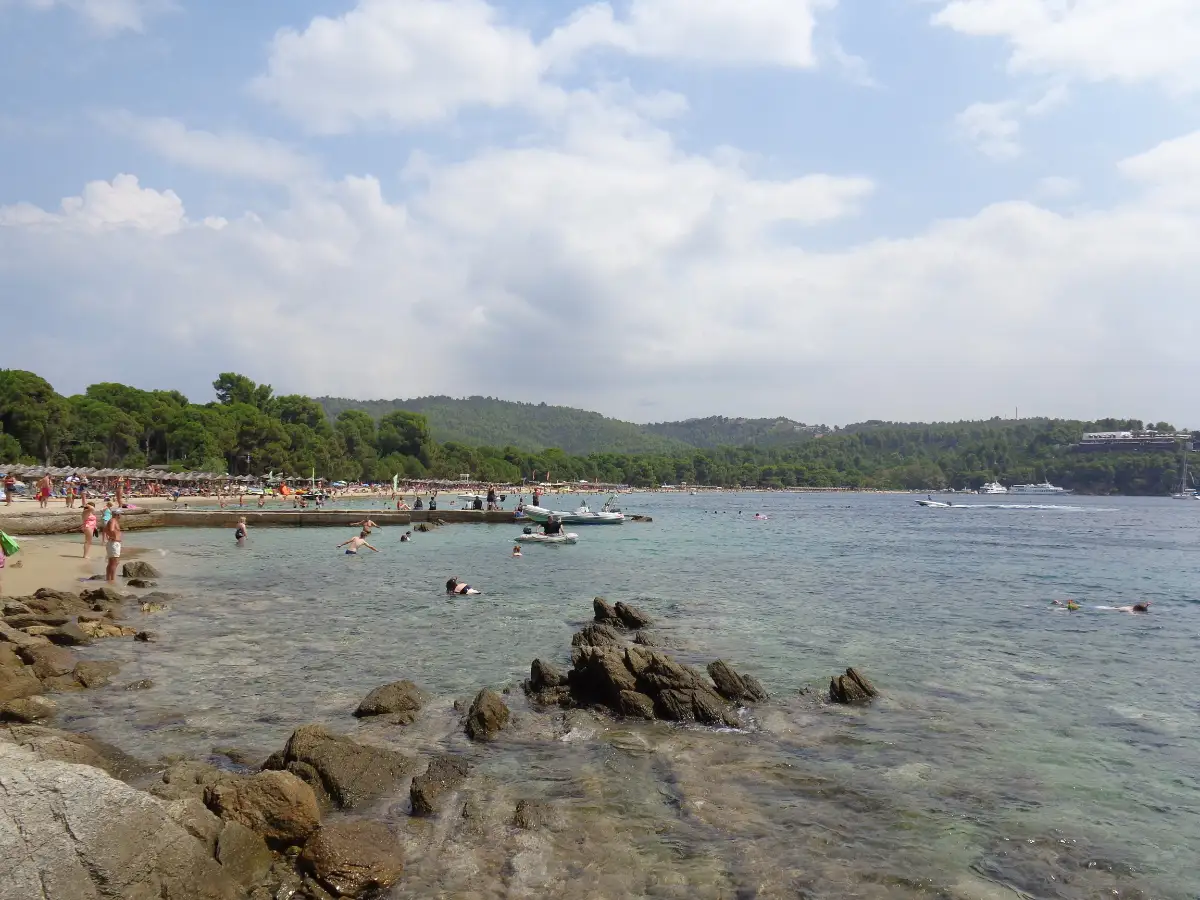
The whole south coast follows that easy pattern. It is the developed, sheltered, bus-served side of the island, and most of the sandy names sit along it. Troulos and Banana draw a slightly younger crowd, Vromolimnos has a livelier reputation, and Megali Ammos is the closest sizeable beach to town. Several south-coast beaches fly a Blue Flag, though the list is reissued every year and no count is worth memorising. Four beaches carry Seatrac, the ramp-and-seat system that lets wheelchair users get into the sea unaided: Koukounaries, Agia Paraskevi, Vromolimnos and Agia Eleni. Each installation has a live status on the Seatrac directory, and they do go out of service, so check yours before you travel rather than on the sand.
Lalaria and the wild, boat-only north
Lalaria is the postcard, and the catch is the whole point of it. It is a beach of smooth, pale, egg-shaped pebbles under a towering cliff, with a natural rock arch standing out of the sea at one end and caves along the shore. You cannot drive or walk in; you reach it by boat, and only when the sea is calm enough to land. Local custom, and good sense, is to leave the famous pebbles where they are rather than carry them home.
That boat-only access is exactly why the north coast stays wild. Where the south is sheltered and built up, the north is rugged, greener and more exposed to the wind, reached mainly by boat or rough road rather than the bus. It keeps its quiet precisely because it is harder to get to, which is also why nearly everyone sees it the same way: from the water, on a boat trip that rounds the coast and noses into the caves.
Skiathos Town and the nightlife question
Skiathos Town wraps around a curved harbour on the southeast coast, and it is a real town, not a resort strip. A small green headland called the Bourtzi splits the waterfront into an old port and a new one, and from the base of it the main street, Papadiamantis, runs straight up away from the water past the shops and offices. Behind and above all that climbs a maze of stepped, whitewashed lanes, and the highest ground carries a church you climb to for the sunset. None of that closes or rebrands, which is why it is worth orienting by.
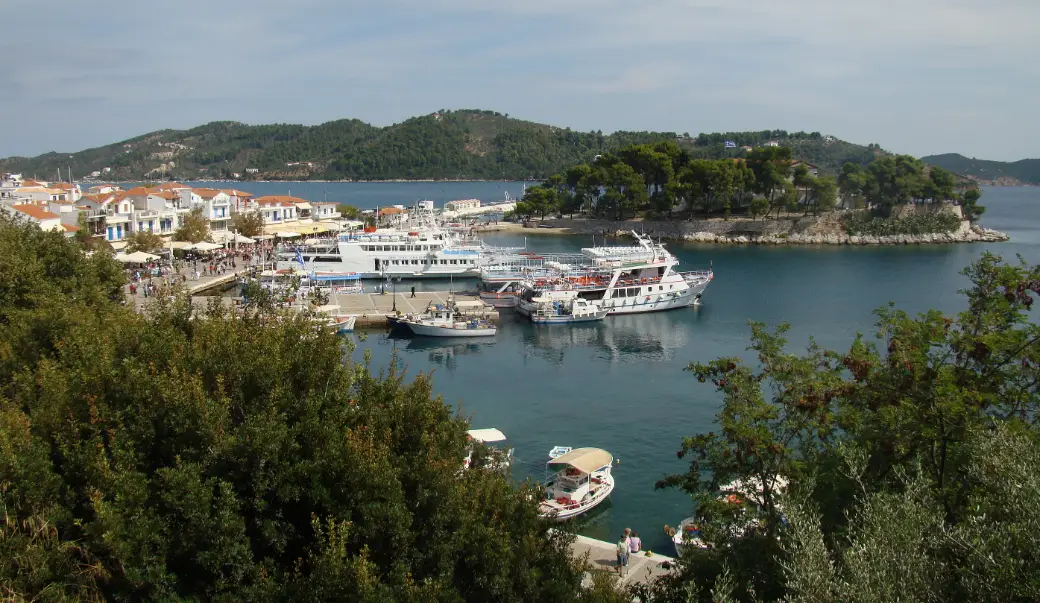
On to the question everyone actually asks. Skiathos has a genuine night out, and it concentrates in town: the energy is along the waterfront and in the old-port lanes, and it skews to bars rather than giant clubs. In July and August a strip of open-air clubs opens along the airport road just outside town, which is where the later, louder end of the night goes. Calibrate it honestly. At its August peak the town has been described as the Mykonos of the Sporades, which is a fair upper bound, but it is livelier than a purely family island and well short of the scale of Mykonos or Ios.
You will notice this guide has not named a single bar or club, and that is deliberate. On an island this size the venues rebrand, change hands and close from one season to the next, so a list of names is out of date before you read it. What lasts is the geography: the town waterfront and the old-port lanes for bars, and the airport-road strip for clubs in high summer. Go to the area and see what is open this year, and if a night-led trip is the whole point, weigh Skiathos against the islands built for it in planning a nightlife-led Greece trip.
Party island or family island? Your base decides
Skiathos refuses to be only one thing, so stop asking whether it is a party island or a family island. It is both, and the honest version of the question is where on the island you sleep, because your base, far more than the island itself, decides which holiday you get.
Base in or near Skiathos Town if you want your evenings within walking distance. From town you step out to dinner, bars and the old port on foot, you catch the sunset without a drive, and the south-coast beaches are a short bus ride away by day. The trade-off is that a working town is busier and a little noisier than a beach, and the sand is a journey rather than a doorstep.
Base along the south-coast beach strip if the beach is the reason you came. Out along the sheltered south you get calm water, sand and pine, quieter evenings and a doorstep swim, which is what families and beach-first travellers are really after. The trade-off runs the other way: a night out in town means the evening bus or a taxi there and back, so you plan your late nights rather than fall into them.
So, in one line each. Couples who want long dinners and a lively evening: base in town. Families and anyone whose day is built around the beach: base on the south-coast strip. A younger crowd chasing the nightlife, especially in high summer: town, and close to the water. Pick the base that matches the trip you actually want, and the rest of Skiathos falls into place around it.
Getting around: the bus, the boat, and whether you need a car
For most Skiathos trips you do not need to rent a car, and that is worth knowing before you pay for one. A single main bus route runs the length of the developed south coast, from Skiathos Town out to Koukounaries, calling at numbered stops all along the beach strip, and in high season it runs often enough to treat almost like a shuttle. The operator, Skiathos Transports, also runs separate lines to the airport, Evangelistria, Profitis Ilias, Aselinos and Xanemos, and puts a live vehicle tracker on its own site, which beats memorising an interval that changes with the season. For the beaches, the town and the airport, the bus does the job.
The water covers the rest. Water taxis and day boats leave the old port for the coves the bus does not reach, including the boat-only spots on the north coast like Lalaria, so the beaches with no road are still open to you without a car. Between the bus and the boats, a carless week here is normal rather than a compromise.
The exception is specific, and worth naming so the advice is useful rather than just reassuring. A car or a scooter earns its keep if you want the quiet north coast, the remote coves and the ruined Kastro under your own steam, on your own schedule. The catch is that the northern roads are rough, narrow and steep in places, and they are not the drive for a nervous or first-time hire-car driver. Whether an island earns a car at all is its own question across which Greek islands need a car, and if you do hire, the ground rules are in renting a car in Greece.
When to go, and what shuts down off-season
The best time to visit Skiathos is the shoulder season: late spring, roughly May into June, and early autumn, September into early October. In those weeks the days are warm, the sea has either warmed up or held its heat, the town is alive without being packed, and prices sit below their July peak. That is the trip to aim for if you can choose.
July and August are the other Skiathos. It is the hottest, busiest and most expensive stretch, the beaches and boats are fullest, and the nightlife is at full volume, which is the point if that is what you came for and hard work if it is not. If you travel then, book everything ahead and start your beach days early.
The off-season truth is simpler than the promotional pages let on. Skiathos runs on summer tourism, so the island quiets down as the charters stop. From late autumn through early spring a lot of the seasonal businesses close, the ferries thin out and flights are largely seasonal, and the island turns back into the quiet place its residents live in. It does not switch off, but it stops being a beach-holiday island until the season turns again.
| Season | Roughly | The trade |
|---|---|---|
| Peak | July to August | Hottest, busiest, priciest; nightlife at full volume |
| Shoulder | May to June, September to early October | Warm, swimmable, alive but not packed; best value |
| Quiet | Late autumn to early spring | Much of the island winds down; flights and ferries largely seasonal |
For the wider calendar there is the best time to visit Greece, and the case for the quieter edges of the season is in shoulder-season travel in Greece.
Day trips and the Mamma Mia truth
Skiathos is the easy front door to the rest of the Sporades, and its two obvious day trips are its neighbours. Skopelos, a short boat hop east, is greener, quieter and more mountainous, all pine forest and hilltop chapels. Alonissos, a little further, is the gateway to a national marine park that protects the Mediterranean monk seal, and its boat trips are about wildlife and clear water more than beach bars. On Skiathos itself the non-beach days fill easily: the ruined medieval Kastro on the north coast, the old Evangelistria monastery inland, and a marked network of walking trails across the pine hills.
While you are here, it is worth setting one thing straight. Skiathos is often sold as the Mamma Mia island, and that is mostly not true. The 2008 film was shot largely on Skopelos, where the hilltop chapel wedding and the main beach scenes were filmed, with only some scenes on Skiathos; on screen the two islands together played the fictional Kalokairi. If the film is why you are coming, the pilgrimage is a Skopelos day trip by boat, not a walk around Skiathos. For the island-hopping version of all this, the Sporades group is the place to start.
What to sort before you book
A few habits save a Skiathos trip, and none of them is a number to memorise.
Book ahead for August. The island is small, the peak is real, and rooms, ferries and popular flights sell out well in advance, so the summer trip that is planned early is the one that goes smoothly. Carry some cash, too. Card is widely taken in town, but smaller places and the north are happier with cash, and you do not want to depend on finding a machine in a quiet cove. The fuller picture on that is in cash, cards and money in Greece, and what is worth locking in early for any trip is in what to book ahead.
The most useful tip is about the airport day. If you fly and sail on the same day in either direction, leave yourself a generous buffer between the flight and the ferry, because you have baggage to collect, a transfer to the port to make and a boat to check in for, and the tight connection is the one that goes wrong. Give it real slack rather than a fixed few minutes.
One national note: the middle of August is a public-holiday peak when much of Greece is on the move, so boats are fuller and prices firmer around it than at any other point in the summer. It is worth understanding why mid-August is different before you fix your dates.
So, is Skiathos your island?
Skiathos suits the traveller who knows what they came for. If you want green hills and sand rather than whitewash and volcanic rock, a beach-first week with easy family days, or the mix of quiet sand by day and a lively town by night, it delivers all of that on one small island. If you are chasing full-scale, all-night clubbing, or you had pictured hopping from one Cyclades island to the next, another part of Greece will serve you better. Everyone else: the trip comes down to two calls. Decide whether you fly or sail, then pick your base, and the island arranges itself around that. From there you can build it into a route or see where Skiathos sits on the map.
Skiathos FAQ
How do you get to Skiathos?
You reach Skiathos in one of two ways: fly into the island’s own airport, Skiathos “Alexandros Papadiamantis” (JSI), on the Athens domestic link or a seasonal European service, or sail from a central-mainland ferry port, mainly Volos, the nearest and quickest at about an hour and ten minutes, or Agios Konstantinos, the one most reachable from Athens by road, a little over two hours across. There is no ferry from Piraeus, and Skiathos is not a Cyclades island-hop. If you fly into Athens and continue by sea, budget for the road transfer first: Agios Konstantinos is about 167 km from the city, under two hours by car.
Do you need a car in Skiathos?
For most trips, no. A frequent bus runs the south coast from town to Koukounaries, and water taxis and day boats reach the coves it does not, so the beaches and the town are covered without a rental. A car or scooter only pays off if you want the wild north coast, the remote coves and the Kastro on your own schedule, and even then the northern roads are rough and steep, and not a relaxing drive for a nervous hire-car driver.
When is the best time to visit Skiathos?
Late spring, roughly May into June, and early autumn, September into early October, are the sweet spot: warm days, a swimmable sea and a town that is lively without the July and August crush, at prices below the peak. July and August are hotter, busier and pricier, with the nightlife at full tilt. From late autumn into spring the island winds down as the charters stop, so aim for the shoulder if you can.
Is Skiathos a party island or a family island?
Both, and your base settles which trip you get. Base in Skiathos Town for walkable bars, dinners and the old port, or along the south-coast beach strip for calm, sand-and-pine family days and quieter nights. The nightlife is real but built on bars more than mega-clubs, with a seasonal club strip on the airport road in high summer: livelier than a purely family island, and well short of Mykonos or Ios.
Is Skiathos the Mamma Mia island?
Not really. Mamma Mia was filmed mostly on neighbouring Skopelos, where the hilltop chapel and the main beach scenes were shot, with only some scenes on Skiathos; together the two islands played the fictional Kalokairi. Skiathos has a claim to the film, but the real Mamma Mia pilgrimage is a Skopelos day trip by boat from Skiathos, not a tour of Skiathos itself.
Why is Skiathos airport famous, and is plane-spotting there dangerous?
Skiathos airport is famous for a short runway and very low landing approaches over the airport-road causeway, which pull plane-spotters right up to the fence. For passengers it is an ordinary commercial airport. The real hazard is the jet blast behind departing aircraft, which is strong enough to knock a person over. Greek outlets have reported tourists hurt this way, one in June 2025 and one more seriously in July 2022, and there are posted signs and runway-end traffic lights to match. The claim that a spectator was killed by jet blast here is a misattribution: that death happened at Princess Juliana Airport on Sint Maarten, not at Skiathos.
Plan by category
The Skiathos guides
5 guides, each scoped to a decision you actually have to make.
 Attractions
Things to do
See the attractions →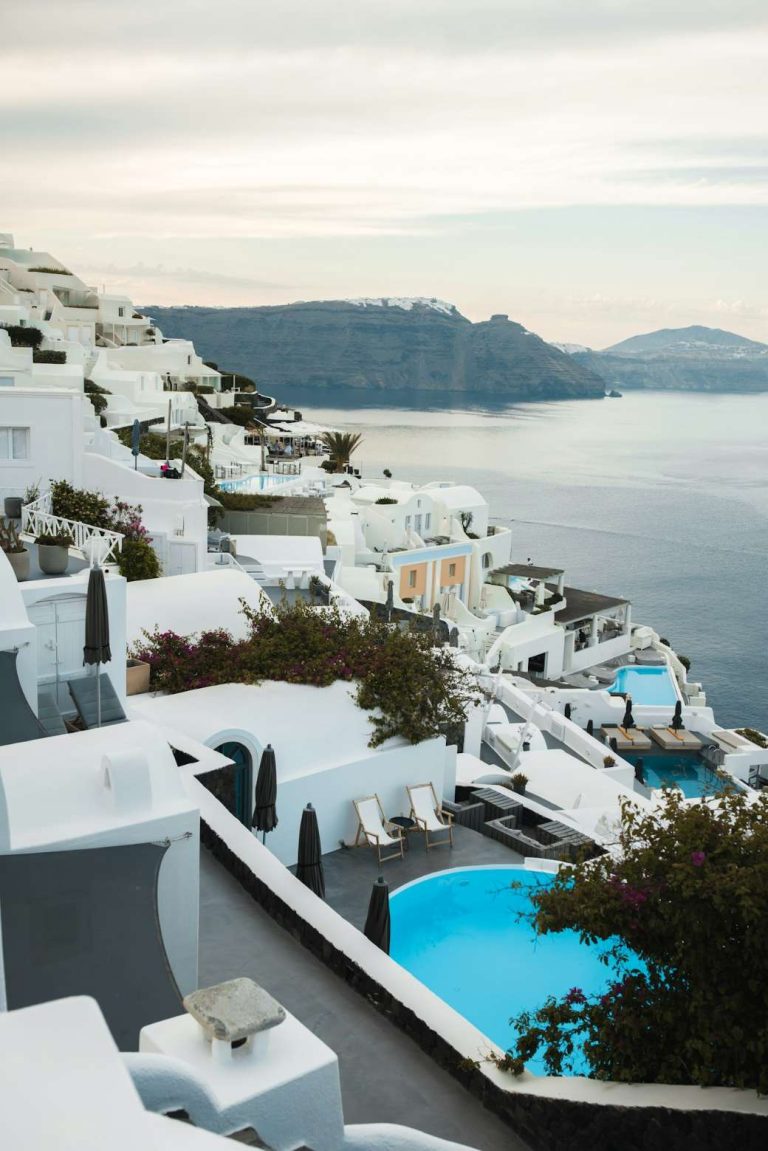 Hotels
Where to stay
Compare the areas →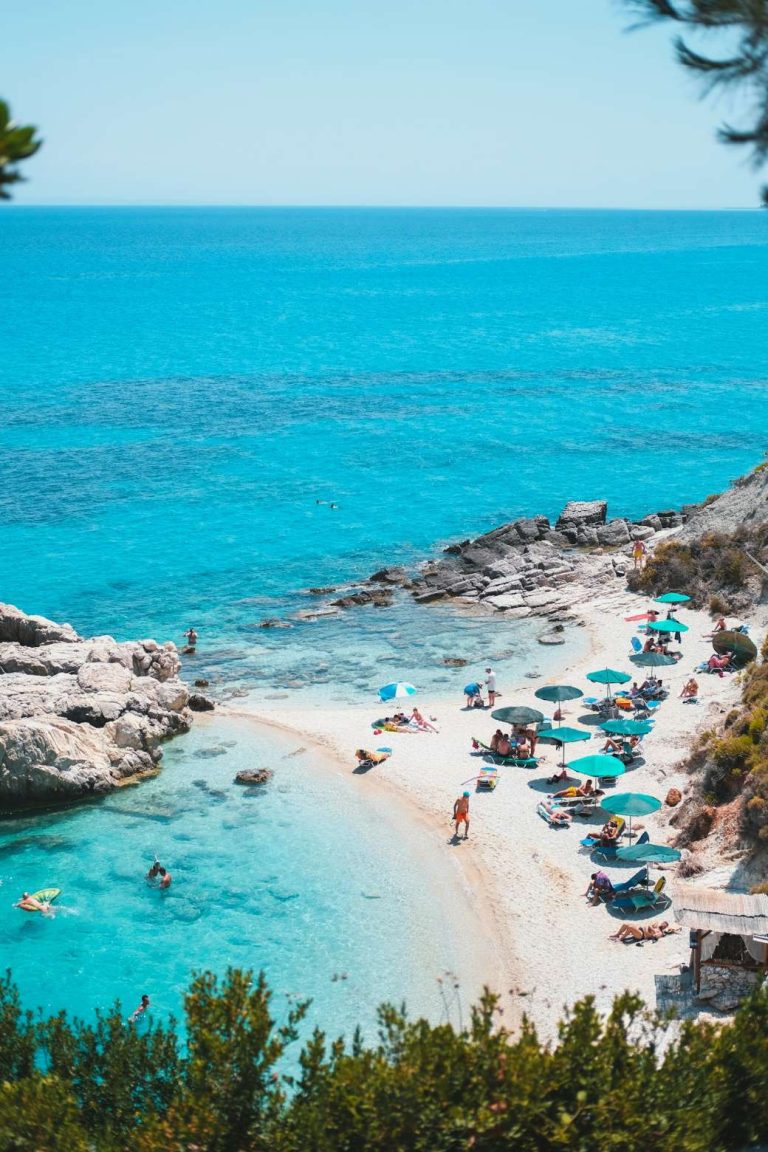 Beaches
The beaches
See the beaches →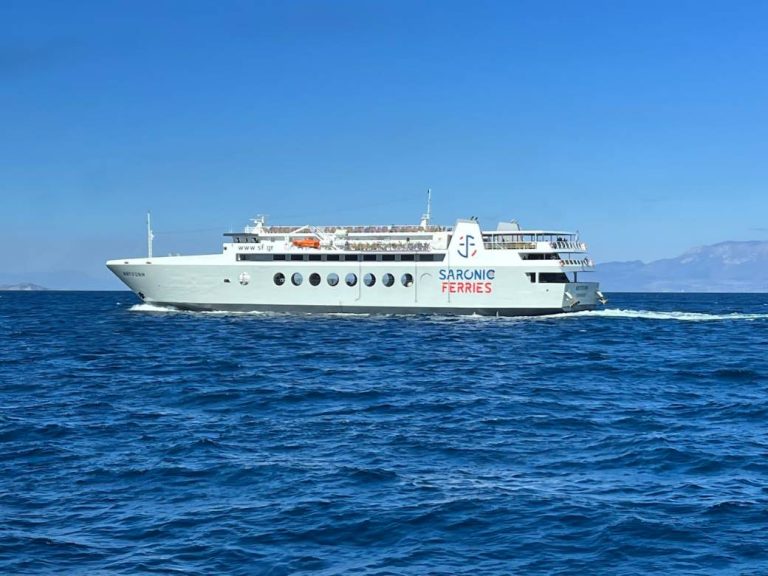 Itinerary
Day by day
See the itinerary →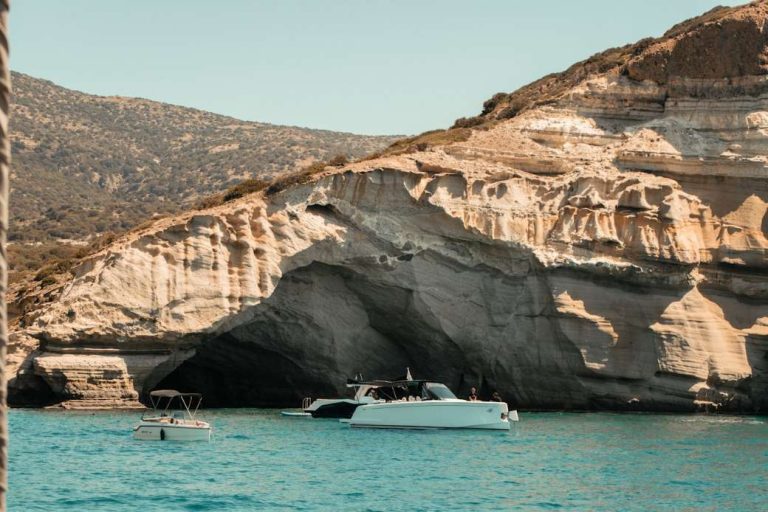 Day trips
Day trips
See the day trips →
Booking
We sell nothing and book nothing for you. Every guide on this page tells you how to arrange each piece yourself - which ferry operator, when to book, what to prebook and what to leave loose.