Island group
Cyclades (central Cyclades, on the Piraeus-Paros-Naxos-Santorini ferry spine), South Aegean, Greece
Airport
Naxos Island National Airport - IATA JNX (domestic only; from Athens ATH in ~40-45 minutes on Olympic Air and Sky Express; airfield ~4 km from Naxos Town)
Ferry from Piraeus
~3h15m-4h25m by high-speed (SeaJets) or ~5h15m-7h conventional (Blue Star), arriving at the Naxos Town (Chora) harbour
Best months
May-June and September-early October (warm days, sea still swimmable into early October, thinner crowds; spring and early autumn are the hiking windows; July-August is the peak crush and meltemi season)
Travel details last checked July 2026.
Naxos in one look: the biggest, greenest island in the Cyclades
Naxos is the largest and greenest island of the Cyclades, in Greece’s South Aegean, halfway down the ferry spine that links Piraeus with Paros, Mykonos and Santorini. It is the group’s farming exception: olive valleys, potato fields and grazing herds spread under Mount Zas, the highest peak in the Cyclades.
The mountain is why. At just over 1,000 m, Zas catches enough cloud to water the valleys below, so Naxos grows food on a scale its bare neighbours never could.
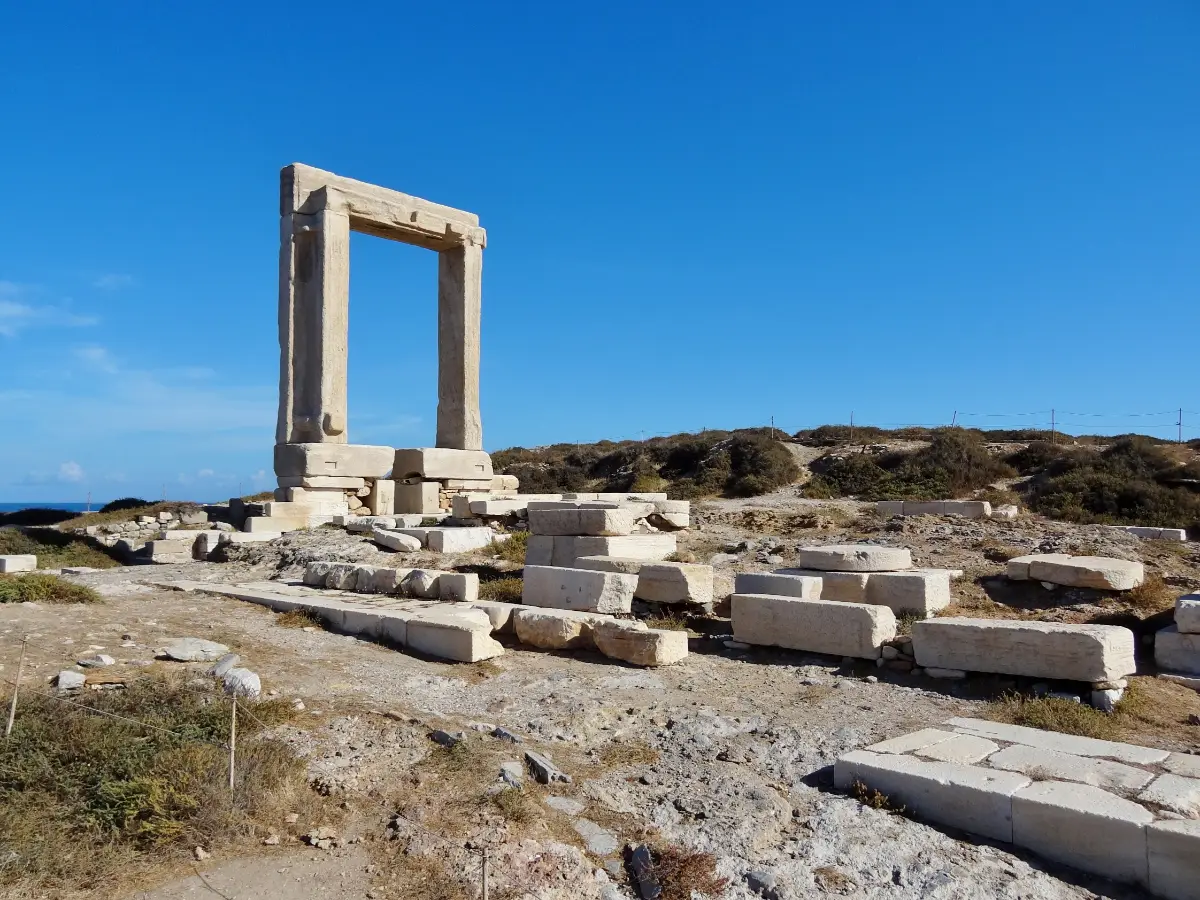
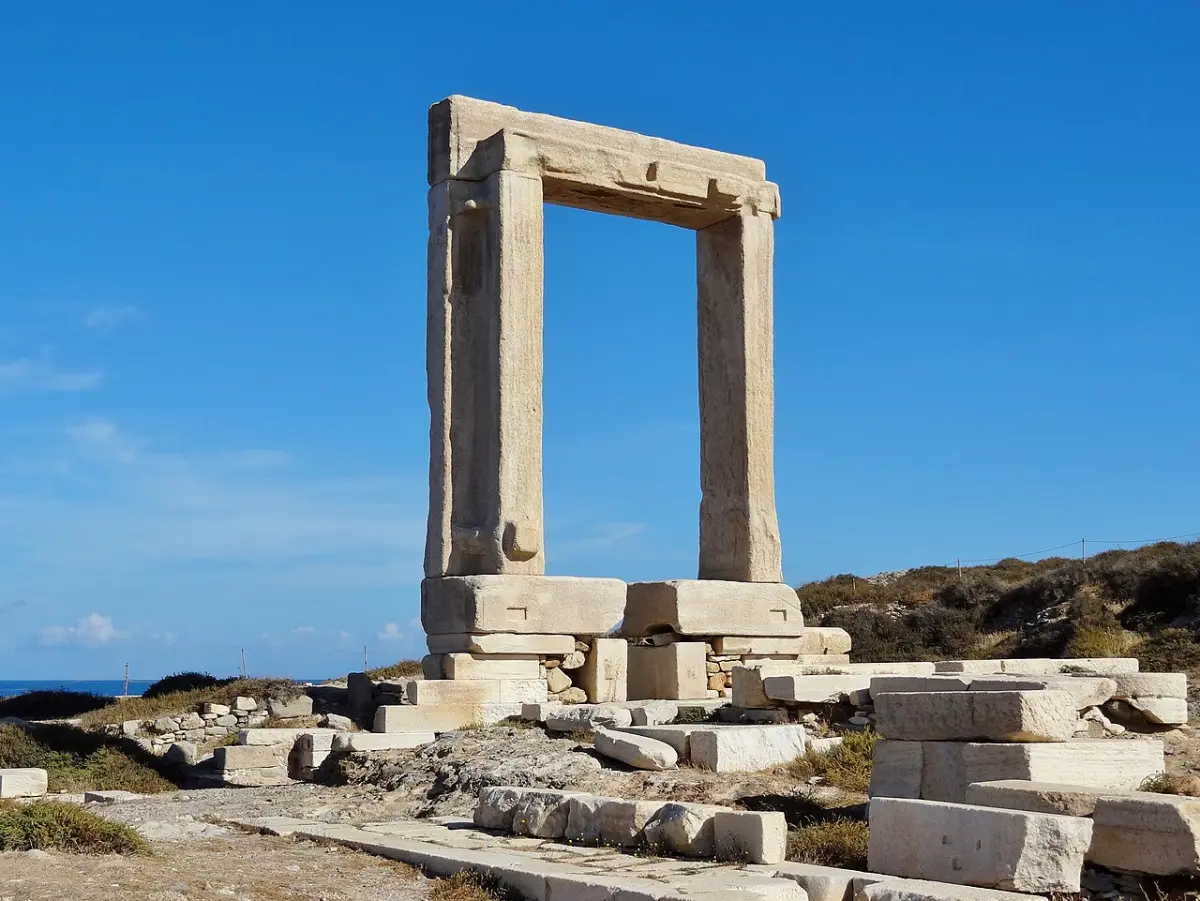
The human map has three parts. Naxos Town - the Chora - wraps the harbour under a Venetian Kastro, with the Portara, the huge marble doorway of an unfinished 6th-century-BC temple of Apollo, standing on an islet a short causeway walk from the port. From the town’s southern edge, a strip of sandy beaches runs down the west coast. Inland and uphill lies the Tragea, an olive valley ringed by marble-built mountain villages.
One plain fact explains the rest: agriculture, not tourism, still shapes daily life here. Naxos, Greece’s most fertile Cycladic island, largely feeds itself - and a working island charges less, stays open past October, and keeps a real town behind the harbour front.
The split that plans the trip: beach coast west, farmed villages inland
Treat Naxos as two islands, and every other decision on this page - days, car, base - falls out of the split.
Half one is the west coast: a nearly continuous run of sand that starts at Agios Georgios on the edge of Naxos Town and rolls south through Agios Prokopios, Agia Anna and Plaka to Mikri Vigla and Alyko. It is shallow, swimmable and served by the local bus, and it is where the slow beach days happen. You could spend a week on it without repeating a stretch.
Half two is the interior: the Tragea, an olive valley scattered with Byzantine chapels, with Halki’s old market lanes and its citron distillery at the centre, Apiranthos’s marble streets higher up, and Filoti sitting under Mount Zas where the hiking starts. This is where the rental-car loop, the trails and most of the island’s food story live.
Two planning conclusions follow. Budget whole days for the interior: it is a full day at minimum, not a rainy-afternoon extra, and it is half the reason to pick Naxos over its neighbours in the first place. And plan your transport around the split, because the bus handles the coast while the interior needs wheels - the mechanics are a few sections down.
The rest of the page works through both halves in order. Per-beach detail - parking, sunbeds, which stretch suits whom - lives at the best beaches in Naxos; the villages and the hike stay on this page, further down.
How many days Naxos needs
Three days is the honest minimum, four to five is the sweet spot, and two nights only works when Naxos is the calm middle of a longer route. Here is what each buys you.
- Two nights - a route stop, exactly the role Naxos plays on days 3-4 of the 7-day Athens, Naxos and Santorini route: a town evening, the Portara at sunset, one full beach day, then the mountain villages or a Small Cyclades boat - one, not both.
- Three to four days - the honest minimum for both halves: the beach strip at leisure plus one full interior day for the villages.
- Four to five days - the sweet spot: slow beach days, the full village loop with the Mount Zas hike or the Temple of Demeter, and a Koufonisia day boat.
One warning from the map: this is the biggest island in the Cyclades, and village stops and mountain roads eat more time than first-timers expect. That is why the day-count here runs longer than on smaller islands - and why cramming Naxos into a single day between ferries wastes it. To slot the island into a wider trip, start from Cyclades island hopping.
When to come: shoulder months for the beach, spring for the trails
May to June and September to early October are the Naxos sweet spot: warm days, a sea still swimmable into early October, thinner crowds and better rates than the peak.
July and August are the trade: the hottest, busiest, priciest weeks, and the season of the meltemi, the dry north wind that rakes the Cyclades in high summer. On Naxos the meltemi is why Mikri Vigla fills with kitesurf sails - worth knowing before you book an exposed beach stay for August.
The interior runs on its own calendar, and it flips the usual island logic. Spring, April into June, is when the Tragea is green and Mount Zas is cool enough to climb comfortably; early autumn is the second window. If the villages and trails are half your reason to come, spring is the island’s best season outright. Around Orthodox Easter the villages hold their festivals - a genuinely local time to visit, and the dates move each year.
Winter is quieter but not dead. A farming economy keeps the town living year-round; beach services close.
| Season | Crowds | Prices | Sea and wind | The interior |
|---|---|---|---|---|
| Apr–Jun | Light to moderate | Low to mid | Sea warming; wind mostly light | Green and cool - the best hiking window |
| Jul–Aug | Heavy | Highest | Hot; the meltemi blows hardest | Hot too, though cooler than the coast |
| Sep–early Oct | Moderate | Mid | Warm, sea still swimmable | The second hiking window |
| Late Oct–Mar | Light | Lowest | Cool; beach services closed | Quiet but alive - the town works year-round |
The month-by-month detail lives on its own pages: the best time to visit Greece and Greece weather month by month.
Getting to Naxos: mid-spine ferries, or a short domestic flight
Naxos sits halfway down the central-Cyclades ferry spine out of Piraeus - the line that runs through Paros and Naxos to Santorini - and that mid-spine seat makes it one of the easiest Greek islands to reach, and the easiest to pair.
From Piraeus, high-speed boats (SeaJets) cross in roughly 3h15m to 4h25m; conventional Blue Star ferries take about 5h15m to 7h; both run several times a day in season and dock at the Naxos Town harbour. Our standing steer from the 7-day route holds here: take the morning Blue Star - cheaper, steadier when the meltemi blows, and the reliable way to open a route.
The spine is the bonus. Paros is 30-60 minutes away, Mykonos 40 minutes to an hour, Santorini one to two hours. Few islands pair with as many neighbours in under two hours.
Flying is the shortcut. Naxos Island National Airport (JNX) takes only domestic flights - about 40-45 minutes from Athens on Olympic Air or Sky Express, with the airfield roughly 4 km from the Chora. There is no international service, so an overseas trip connects through Athens either way, and fares climb steeply in July and August.
The choice is really time versus route. Fly to bank most of a day on a Naxos-first trip; take the ferry when Naxos is one stop on a route, which it usually is.
| Mode | Roughly | Arrives | Choose it if |
|---|---|---|---|
| Flight (ATH→JNX) | ~40–45 min | Naxos airport, ~4 km from town | Naxos is the trip and your days are tight |
| High-speed ferry (Piraeus) | ~3h15m–4h25m | Naxos Town harbour | You want speed without losing the route |
| Conventional ferry (Blue Star) | ~5h15m–7h | Naxos Town harbour | You are on a route; cheapest, steadiest in wind |
Boats, gates and tickets are explained in Greek island ferries; the air side is in flights to Greece.
Getting around: base by bus, rent a car for the interior days
Naxos is the rare Cyclades island where you do not need a car for the whole stay - a real saving, so plan it deliberately.
The KTEL bus out of Naxos Town runs the west-coast strip - Agios Prokopios, Agia Anna, Plaka - frequently in season, and reaches the main villages a few times a day. Fares run a few euros a ride. For a beach-based stay, it genuinely works.
The interior is a different story. Village-to-village wandering, the Temple of Demeter, the Melanes kouroi and the trailheads all want your own wheels, and the mountain roads reward confidence more than horsepower. So the strategy: rent a car for only the interior days - two or three of them - rather than the whole stay. On most Cyclades islands the car question is all-or-nothing; on Naxos it is a line item you can cut.
Two cautions. Taxis are limited, and the airport has no direct bus link, so arrange that first hop before you land. And scooters suit the flat coast road, not the mountain switchbacks - a suitability point, not a promise.
The wider mechanics are in getting around Greece, and the money side in what a Greece trip costs.
Which base fits your trip: Naxos Town, Agios Prokopios and Agia Anna, or Plaka
The best hotels in Naxos cluster around three bases, and the base matters more than the hotel.
Naxos Town (Chora) is the connected one: the port, the bus hub, the Kastro lanes and a real evening of harbour-front dinners, with Agios Georgios’s shallow sand at the town’s edge. Pick it for a first visit, a car-free stay, or any trip that wants an evening scene. The trade-off: it is the busiest base, and the beach is the town’s beach.
Agios Prokopios and Agia Anna are the family sweet spot: the clearest swimming water on the strip, tavernas behind the sand, and about ten minutes from town by bus. The trade-off: a resort-strip feel in the peak weeks.
Plaka is the quiet one - long, dune-backed sand and low-key boutique stays, and the couples and honeymoon pick. The trade-off: you will want wheels, or a bus timetable you trust.
Mikri Vigla is a fourth answer for one audience only: wind-sports people basing beside the kite beach.
| Base | Vibe | Best for | Trade-off |
|---|---|---|---|
| Naxos Town (Chora) | Working port town | First-timers, car-free stays, evenings | Busiest; the beach is the town’s |
| Agios Prokopios / Agia Anna | Beach strip with tavernas | Families, swimmers | Resort feel in peak season |
| Plaka | Dune-backed quiet | Couples, honeymoons | Wheels or the bus timetable |
Which actual hotel, in which of these, is the real decision - where to stay in Naxos breaks it down area by area, with the hotels named.
The beaches: one long run of sand, shallowest at the town end
The west coast is effectively one beach that changes name as it runs south, and it sorts itself as a gradient: shallowest and calmest at the town end, wilder, emptier and windier the further down you go.
Agios Georgios, at the town’s edge, shelves so gently that the water stays shallow a long way from shore - the beach families on Naxos default to, and the sand our family verdict rests on. Agios Prokopios and Agia Anna are the swimming heart of the strip: clear water, organised sections, tavernas behind. Plaka is the long one - dune-backed sand that thins the crowd within a short walk of the last taverna; its quieter southern stretches are where naturism is tolerated in practice, though no beach on Naxos is officially designated for it. Mikri Vigla is the wind funnel: windsurf and kitesurf schools, choppier swimming - in a meltemi week that is a feature or a bug, depending on who you are. Alyko and the south are juniper-backed coves with no facilities: your-own-wheels territory.
One honest close: this coast is about sand, shallow water and space. Naxos island does not do clifftop theatre - no caldera, no sunset amphitheatre - and that is the trade you accept for the best sand in the Cyclades.
Beach by beach, with the practical detail, it is all in the best beaches in Naxos.
The interior: marble villages, the Tragea, and the Cyclades’ highest hike
The interior is the half most visitors skip, and it is the half that explains the island. Give it a full day at minimum; the loop below fills one easily.
Halki, in the middle of the Tragea, is the old market town: Venetian mansions, a handful of cafes, and the Vallindras distillery, where kitron - the island’s citron liqueur - has been made since the 19th century, with tastings among the old copper stills. Around it, the Tragea’s olive groves hide dozens of Byzantine chapels, and hiking in Naxos is not just the summit: the valley’s village-to-village footpaths are some of the best-marked walking in the Cyclades.
Filoti sits under Mount Zas, the highest peak in the Cyclades. The classic hike starts near the village and passes the Zas cave - where myth has the infant Zeus raised - on the way up; count on roughly a three-to-four-hour round trip, proper shoes, and a spring or early-autumn slot.
Apiranthos is the marble village: lanes paved in the island’s own stone, a clutch of small museums, and a distinct mountain character locals trace to Cretan settlers.
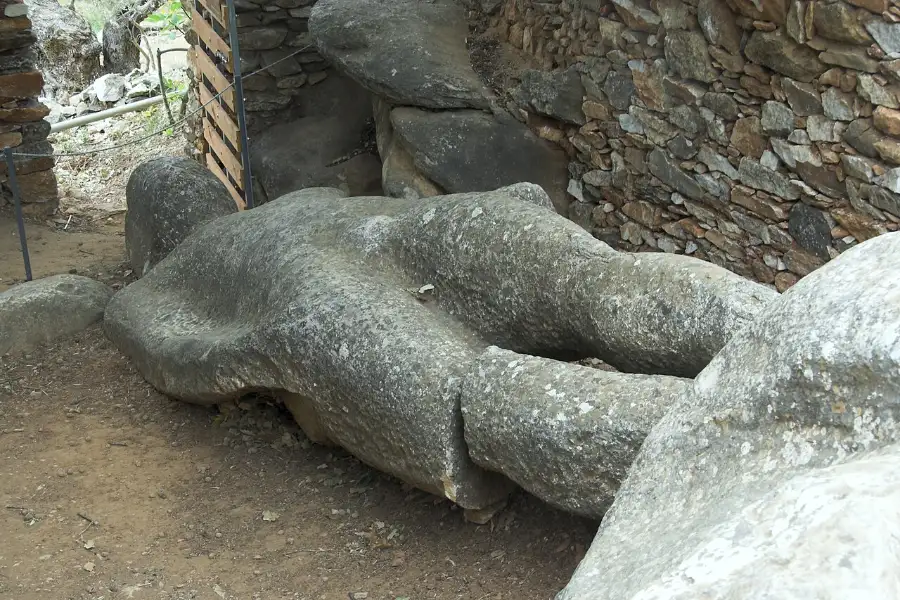
Two ancient sites anchor the same loop: the Temple of Demeter near Sangri, and the kouroi at Melanes and Flerio - colossal statues abandoned in the quarries where they cracked, still lying where the ancient carvers left them.
Eating on Naxos: the island grows the menu
The food is the proof of the whole thesis: Naxos eats better and cheaper than its famous neighbours because the island raised most of what lands on your plate.
Three products carry the menu. Graviera Naxou, the island’s PDO cheese, turns up everywhere from saganaki to shavings over salad. Naxos potatoes hold the EU’s PGI name protection, and a plate of fried potatoes is a legitimate order here, not a filler. Kitron, distilled from citron leaves in Halki, arrives cold after dinner in three grades. Add arseniko, the hard mountain cheese, and the island’s own meat, and you have the reason a village taverna lunch is worth the drive.
The steer is simple: eat where the produce is. Harbour-front in the Chora for the evening; a Tragea village taverna at lunch on your loop day. We name no single taverna here - pick the room that is full of Greeks.
Who Naxos suits: families first, couples close behind
Naxos is our lead family pick in Greece - the best all-rounder for most families, and the island to book if you are choosing blind. The case is concrete: sand at Agios Georgios that shelves so gently the water stays shallow a long way out, with tavernas right behind it, a flat town you can push a stroller through to dinner, family-run rooms and tavernas rather than polish, and no big cruise ships calling. Mixed ages fit too: teens get the kite beach at Mikri Vigla and the Zas hike. The full ranking is in the best Greek islands for families, and the ready-made route in Greece with kids over 10 days.
For couples, Naxos with Paros is our default laid-back value pick: long beaches, a working Chora above the harbour, and a serious food scene at a fraction of caldera prices. The honest trade is the view - no show-stopping caldera - and what you get back is beach time, better dinners and life behind the postcard. The full comparison sits in the best Greek island for couples.
Day trips, the Paros question, and where Naxos fits in a route
The best day off Naxos is the Small Cyclades boat, Koufonisia above all: clear water, one small town, an island that runs slower still. Schedules are seasonal and thin outside summer, so check the day’s sailing before you promise anyone an island. Paros works as a spontaneous hop at 30-60 minutes each way, and the Mykonos crossing is short enough that some make a long day of it for ancient Delos - confirm the return sailing first.
The Paros question deserves a straight answer. Naxos is bigger, greener and cheaper, with the better sand, the mountain villages and the stronger family case - though Paros is the gentler pick with toddlers. Paros is prettier at town level, easier without a car, and livelier at night. With five or more nights, take both: the hop is short and the islands are usefully different.
On the map of a whole trip, Naxos is the calm middle. It takes days 3-4 of the 7-day Athens, Naxos and Santorini route - the decompression island between the capital and the caldera - and it anchors almost any Cyclades hop. Whether you route on to Santorini or back up the spine, Naxos is rarely the wrong middle. Pick your dates, then make the two decisions that shape everything else: your base, and your split of beach days to village days.
Naxos FAQ
How many days do you need in Naxos?
Three days is the honest minimum - the beach strip plus one full day in the mountain villages. Four to five is the sweet spot, adding the Mount Zas hike or a Koufonisia day boat. Two nights works only as a stop on a longer route - the role Naxos plays on days 3-4 of the 7-day route.
How do you get to Naxos from Athens?
Fly from Athens to Naxos Island National Airport (JNX) in about 40-45 minutes, or take a ferry from Piraeus: roughly 3h15m-4h25m on a high-speed boat, or 5h15m-7h on a conventional Blue Star, docking at the Naxos Town harbour. On a route, take the morning conventional ferry - cheaper and steadier in wind. More in Greek island ferries.
Do you need a car in Naxos?
Not for the beaches - the bus from Naxos Town covers the west-coast strip well in season. You do need one for the mountain villages, the Temple of Demeter and the trailheads, so the smart move is renting a car for just the two or three interior days. The wider picture is in getting around Greece.
Is Naxos good for families?
Yes - Naxos is our lead family pick in Greece. The sand at Agios Georgios shelves so gently that the water stays shallow a long way out, the town is walkable to the beach, tavernas are family-run, and the big cruise ships do not call. The full ranking is in the best Greek islands for families.
Which is better, Naxos or Paros?
Naxos is bigger, greener and cheaper, with the better sandy beaches, the mountain villages and the stronger family case; Paros is prettier at town level, easier without a car, and livelier at night - and the gentler pick with toddlers. With five or more nights, take both: the hop is short. Start comparing at Paros.
What is the best time to visit Naxos?
May to June and September to early October: warm days, a swimmable sea, thinner crowds and lower rates than the July-August peak, when the meltemi wind also blows hardest. Spring is the best season for the mountain villages and the Mount Zas trail. Month by month, see the best time to visit Greece.
Is Naxos worth visiting?
Yes - for what its neighbours cannot offer: the Cyclades’ best sandy coast, a farmed mountain interior with real villages, and food grown on the island at prices the caldera islands stopped charging years ago. What it lacks is Santorini’s clifftop drama. Weigh it against all our Greece destinations.
Plan by category
The Naxos guides
6 guides, each scoped to a decision you actually have to make.
 Attractions
Things to do
See the attractions →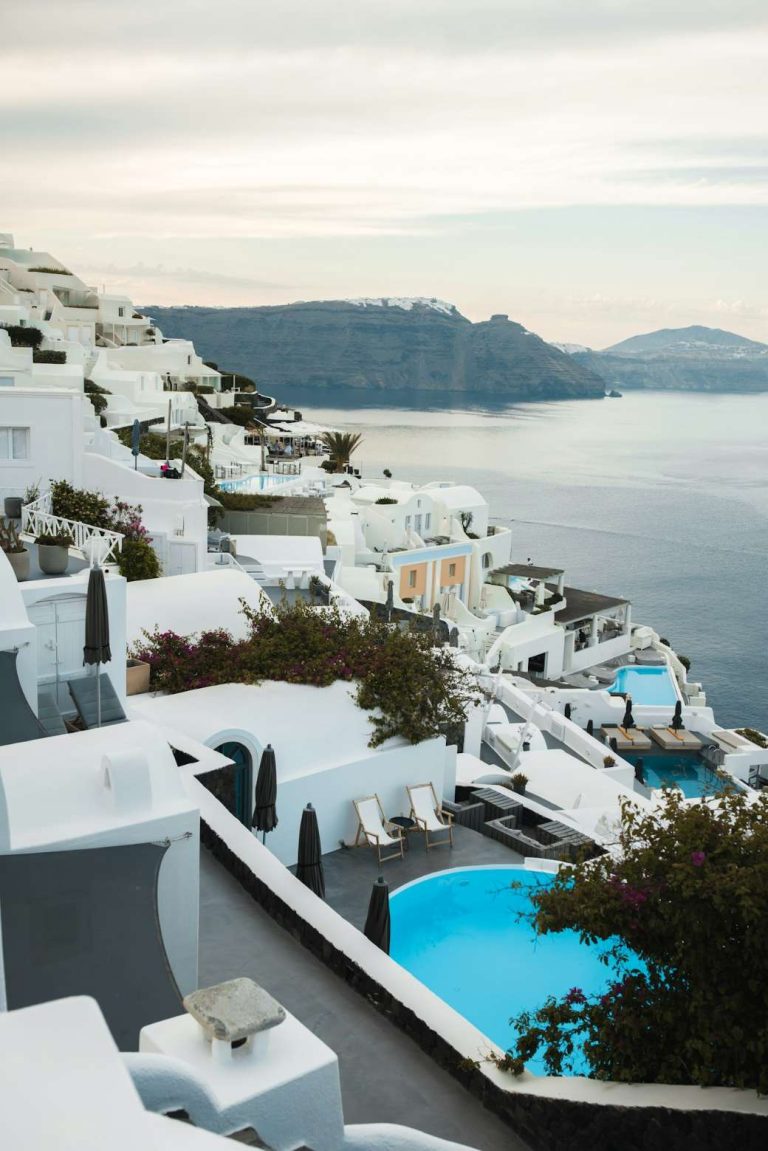 Hotels
Where to stay
Compare the areas →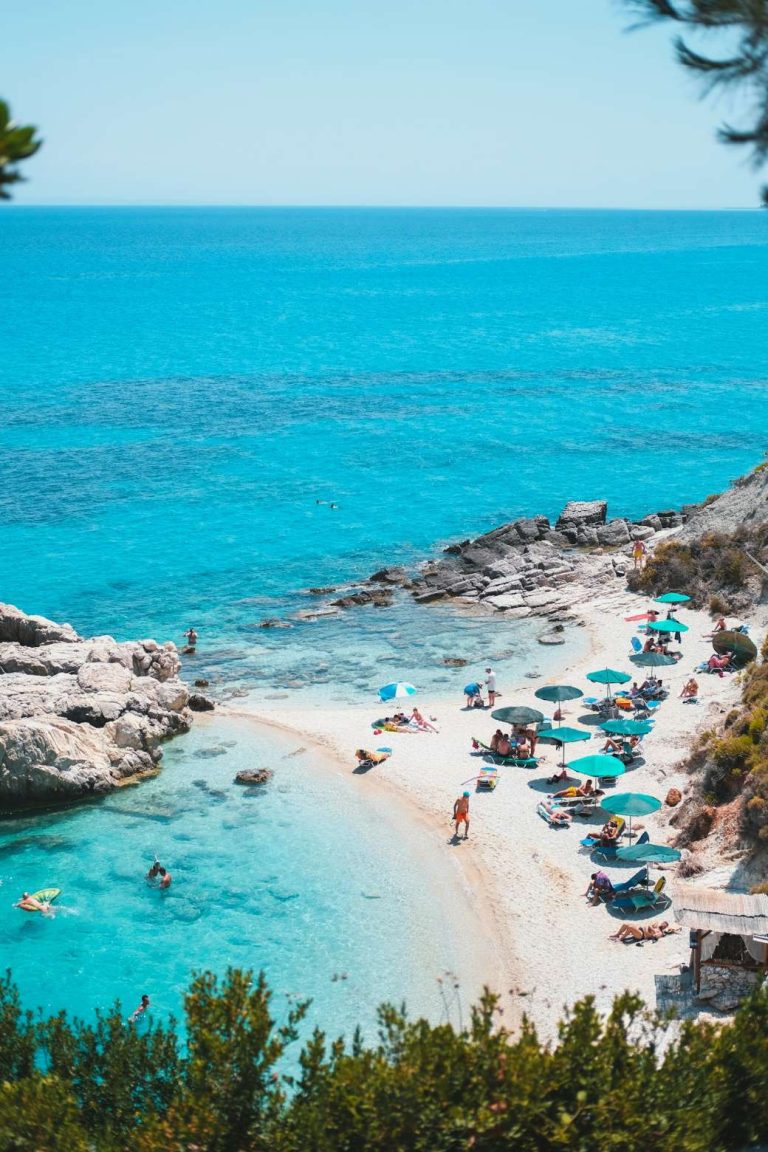 Beaches
The beaches
See the beaches →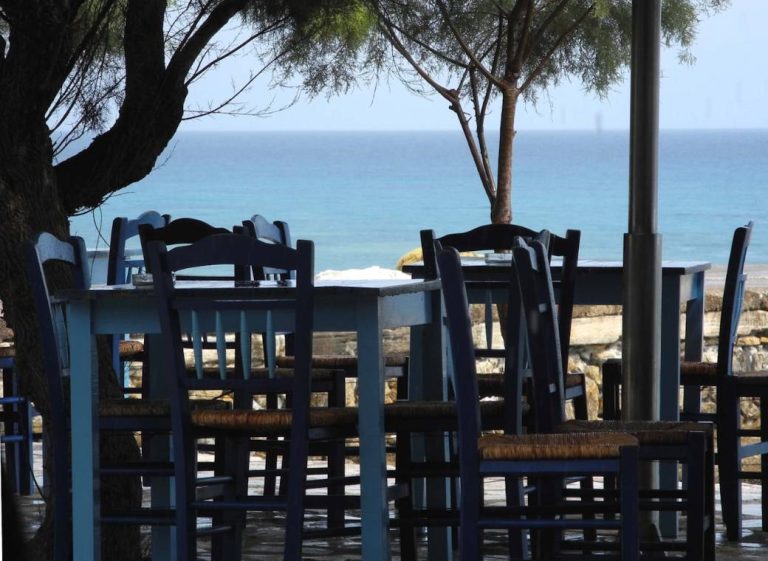 Restaurants
Where to eat
See where to eat →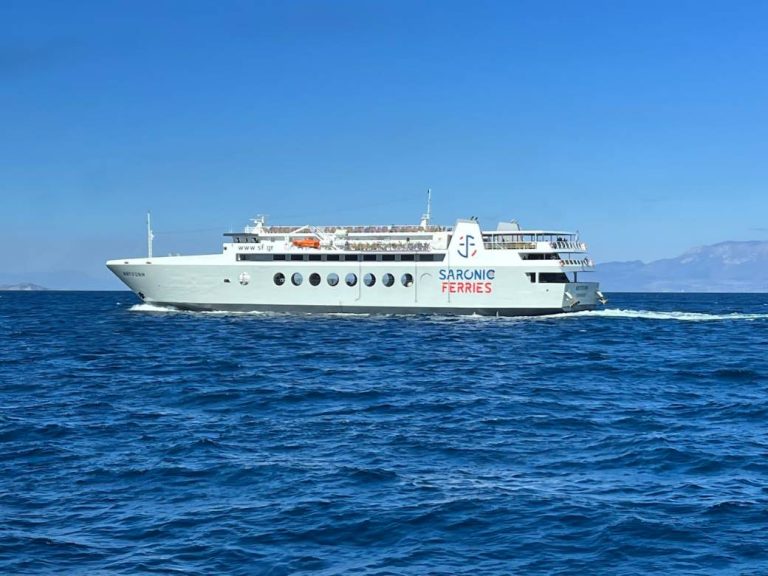 Itinerary
Day by day
See the itinerary →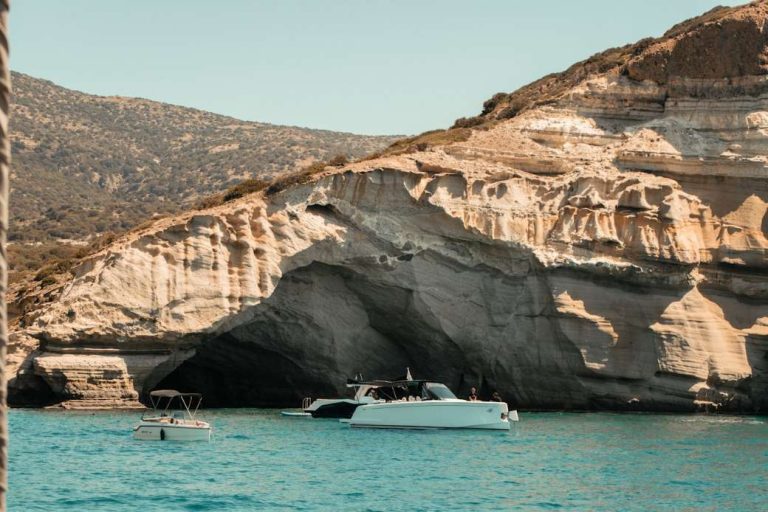 Day trips
Day trips
See the day trips →
Booking
We sell nothing and book nothing for you. Every guide on this page tells you how to arrange each piece yourself - which ferry operator, when to book, what to prebook and what to leave loose.