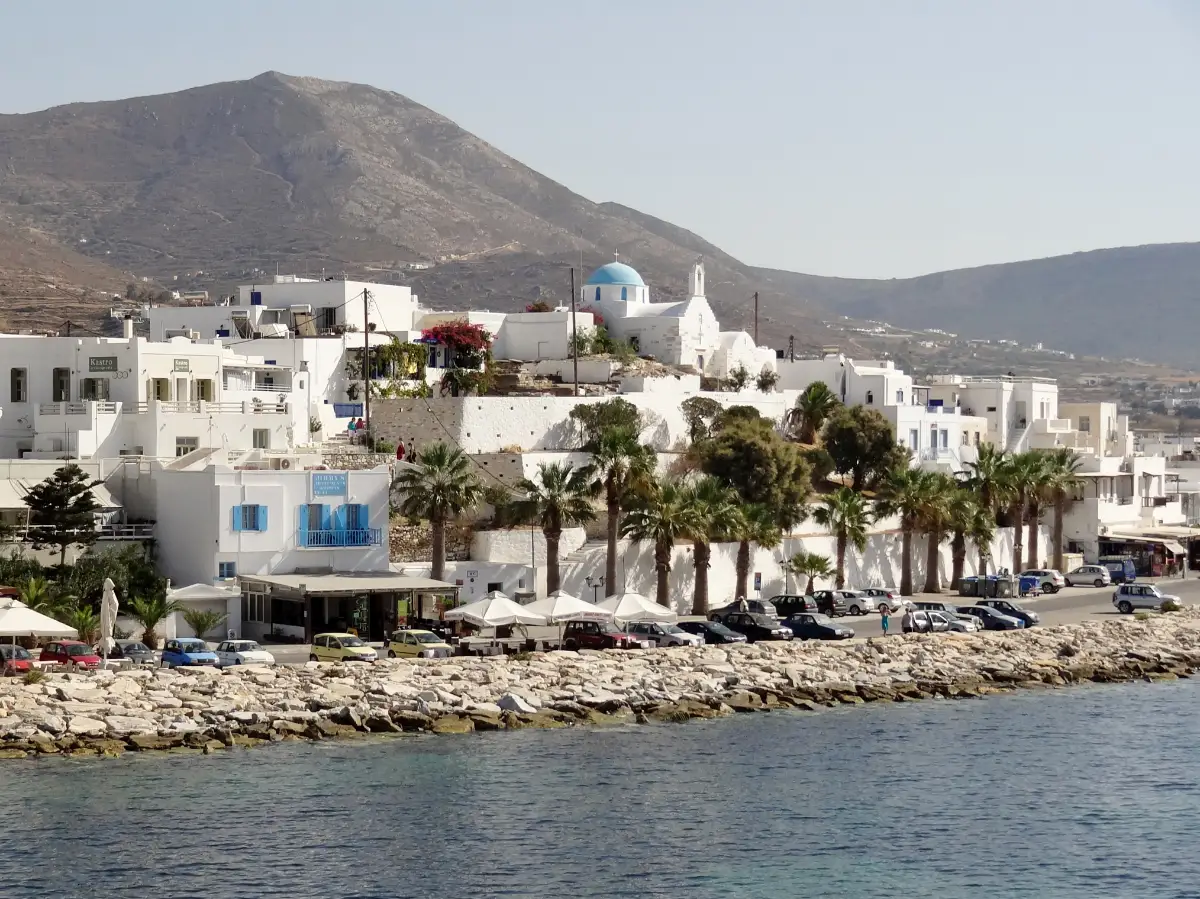
Island group
Cyclades (central Cyclades), South Aegean, Greece - on the Piraeus-Santorini ferry spine, directly opposite Naxos. Stable geographic fact
Airport
Paros National Airport - IATA code PAS (domestic only; Athens ATH in about 40 minutes on Olympic Air, Sky Express and Aegean; the airport sits in the Kampos area about 10 km south of Parikia)
Ferry from Piraeus
about 2 hr 40 min by high-speed (SeaJets) to about 4-5 hr conventional (Blue Star), up to ~6 daily departures year-round; Rafina also serves Paros in summer. Arrives at Parikia
Best months
May-June and September-early October - warm days, a sea still swimmable in September, thinner crowds; July-August stacks the crowd peak on the meltemi peak.
Travel details last checked July 2026.
Paros, Greece in one look: the island in the middle of everything
Start with the map. Paros is a central-Cyclades island in the South Aegean, directly opposite Naxos, on the main ferry spine that runs from Piraeus down through the islands to Santorini. Athens is a morning’s ferry or a short domestic flight away, and once you are standing on the quay at Parikia, half the island group is a short boat ride out. That position is the island’s whole character: it works as a destination in its own right, and it works as the crossroads of everyone else’s route.
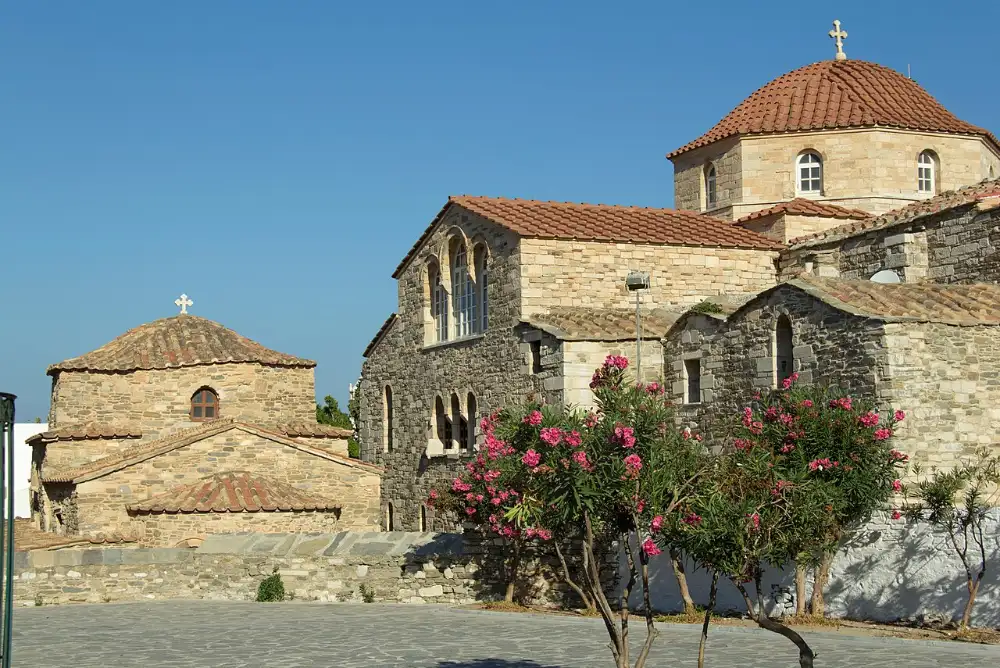
The island itself sorts into five pieces. Parikia, on the west coast, is the port capital - ferries, buses and logistics all start here, and the Panagia Ekatontapyliani, one of the oldest churches in Greece, stands a few minutes back from the quay. Naoussa, in the north, is the stylish one: a small fishing harbour that grew a ring of the island’s best restaurants and bars. Inland, marble-paved Lefkes and its neighbouring villages climb the hills. Beaches circle the rim, sheltered coves in the northern bays and long open sands down the east and south. And across a narrow channel in the southwest lies Antiparos, a second island seven minutes away by ferry.
One thread ties it together: marble. The ancient quarries at Marathi produced Parian marble, the translucent white stone that classical sculptors prized above all others, and the Greek island of Paros still paves its village lanes with it. Paros island sits at the heart of the Cyclades, and the rest of this page turns that position into a plan.
Is Paros the new Mykonos? The honest answer
Only in one narrow sense. The pressure is real: Paros has climbed to third among the Cyclades for visitors, drawing roughly 500,000 people a summer to an island of about 14,500 permanent residents, and its water supply is genuinely strained - figures reported in Lonely Planet’s coverage of Greek-island overtourism. Luxury hotels and villas have followed the attention, and that is where the label comes from.
Here is what the label misses. The crush concentrates in Naoussa’s harbour core in July and August. Parikia stays a working port town whose clock is set by the ferry horn, the marble villages inland stay quiet, and the south coast barely registers the season. Come in May, June or September and the comparison feels absurd.
So convert the hype into planning rather than a verdict. Go shoulder season if you can. In August, base yourself outside Naoussa’s core. And treat water as the scarce thing it is here - this is a dry island hosting half a million guests a year, and short showers are a fair ask.
How many days Paros needs: two answers, not one
How long to stay depends on which trip Paros sits in, and the honest answer splits in two.
- On a Cyclades island-hopping route: two nights. That buys Parikia’s old quarter, an afternoon in Naoussa and one beach - exactly what our published route allots. Paros is that route’s connector, and the port you can reroute from if the wind grounds a leg elsewhere.
- As your single base: four to five days. Three is the workable minimum. Four to five lets you swim both wind coasts, walk Lefkes and the Byzantine Road, give Antiparos a full day and still keep slow harbour evenings.
The base case comes with a bonus few islands can match: from Paros you can day-trip to Naxos, and in season to Mykonos or Santorini, without ever changing rooms.
Decide which trip you are on before you count nights. The two-night version lives inside the ready-made Cyclades route; if you are building your own, start with how to plan an island-hopping trip.
When to come: the wind decides more than the heat
Come in May-June or September-early October. Those windows give you warm days, a sea still swimmable into early autumn, and rooms and dinner tables you do not have to fight for. July and August are Paros’s double peak: the biggest crowds of the year stacked on top of the meltemi, the dry north wind of the Aegean summer, which blows hardest from mid-July to mid-August.
On Paros the meltemi is a feature or a bug depending on your trip. It is the reason Golden Beach is a windsurfing arena and Pounta a kitesurfing bay - and it is the same wind that turns exposed beaches choppy and cancels the fast catamarans before the conventional boats. If you are here for the wind, high summer is your season. If you are here to float, the shoulders win.
Winter is the island being itself: quiet, mostly closed to tourism, still a real working place rather than a shuttered resort.
| Months | Crowds | Prices | Wind and sea |
|---|---|---|---|
| May–Jun | Building | Mid | Warm days, seas mostly calm |
| Jul–Aug | Peak | Highest | Hot; the meltemi at full strength |
| Sep–early Oct | Easing | Mid | Warm sea, wind fading |
| Nov–Apr | Quiet | Lowest | Cool, wet spells; much is closed |
For the wider seasonal picture, see the best time to visit Greece and Greece weather month by month.
Getting to Paros: the best-connected harbour in the Cyclades
Two ways in, and a reason to pick each.
By sea, Piraeus to Parikia runs year-round and is one of the better-served routes in the Cyclades: high-speed boats (SeaJets) from about 2 hours 40 minutes, conventional ferries (Blue Star) in roughly four to five hours, with the conventional boat the cheaper of the two. In summer Rafina also serves Paros - worth knowing, because Rafina is the nearer port to Athens airport, so connecting straight off a flight it can beat the trek to Piraeus.
By air, Paros National Airport (PAS) sits in the Kampos area about 10 km south of Parikia and takes domestic flights only: Athens is about 40 minutes on Olympic Air, Sky Express and Aegean. Fly to save a day or to dodge a windy forecast; take the ferry to island-hop or to carry luggage cheaply.
| Route in | Roughly | Arrives | Choose it when |
|---|---|---|---|
| Flight (ATH→PAS) | ~40 min | Paros airport, ~10 km south of Parikia | Days are tight, or the forecast is windy |
| High-speed ferry (Piraeus) | ~2h40m+ | Parikia | You are in central Athens and want speed |
| Conventional ferry (Piraeus) | ~4–5 hrs | Parikia | Budget, luggage, deck time |
| Ferry (Rafina, summer) | Varies by boat | Parikia | You are connecting straight off a flight |
Then the fact that organises this whole page: more boats call at Parikia than almost anywhere else in the Cyclades. Mykonos is about 45 minutes away by fast boat, Naxos is the shortest and most frequent hop on the whole spine, and Santorini about two hours by high-speed. That density is why island-hoppers treat Paros as the route’s insurance: when the wind cancels a sailing somewhere else, something is almost always leaving Parikia.
How the boats, bookings and wind cancellations actually work is in Greek island ferries; for the air side, see flights to Greece.
Getting around: the rare Cyclades island where the bus actually works
You can do Paros without a car, and this is one of the few Cyclades islands where that sentence is true. The bus network radiates from Parikia and genuinely covers the places you want - Naoussa, Lefkes, Pounta, Golden Beach and the airport - at a few euros a ride, with a day pass worth asking about if you plan to move around. Base near the Parikia station and the island runs to your door.
Wheels still earn a day or two. A small car or an ATV covers the south-coast beaches, the villages loop and the Pounta run with beach kit - the corners the timetable serves thinly. Families hauling gear and wind-chasers moving with the forecast will want the rental for the whole stay; a couple based in one harbour town will barely miss it.
Taxis exist but thin out badly in August, so never build an evening around finding one. The wider picture is in getting around Greece, and the running costs sit in what a Greece trip costs.
Parikia or Naoussa: pick your harbour
Naoussa is the draw and Parikia is the deal. That is the decision in one line; here is the fair version of each.
Parikia is the working choice. The ferries and every bus route start here, rooms cost less than anywhere north, and the town is better than its first impression: behind the waterfront bustle is an old quarter of marble lanes that visitors consistently underrate, the Ekatontapyliani, and a long seafront that faces the sunset. The trade is honest - it is a port town, and it sounds like one.
Naoussa is the stylish one. The little fishing harbour, with the part-submerged remains of a Venetian kastro at its mouth, is ringed by the island’s best restaurants, bars and boutiques. The trade is equally honest: the highest prices on the island and a genuine crush in August. Travelers on the Greece forums argue it in both directions - Parikia for value and buses, Naoussa for the evening - so treat it as a preference, not a trap.
Where to stay in Paros, then, is a two-harbour decision with three quiet alternatives: Lefkes for inland calm, Piso Livadi for low-key families on the east coast, Aliki for the south, near the airport.
| Base | Vibe | Best for | Trade-off |
|---|---|---|---|
| Parikia | Working port capital | Value, buses, car-free stays | Port-town bustle |
| Naoussa | Boutique fishing harbour | Food, bars, style | Priciest, packed in August |
| Lefkes | Marble hill village | Inland quiet, walkers | No beach; bus or car needed |
| Piso Livadi | Small east-coast harbour | Low-key families | Sleepy after dark |
| Aliki | South-coast village | Calm, near the airport | Far from the evening scenes |
Either harbour suits a couples trip - Paros is one of our two laid-back defaults for exactly that - and both towns are flat enough to stroll a toddler through to dinner. Which hotel, in which pocket, is the real decision: where to stay in Paros breaks it down by area, and the couples case is in Greek islands for couples.
The beaches, sorted by wind
One rule sorts every beach on Paros: when the meltemi blows, the south and west coasts stay calm while the north and east belong to the sails. Check the wind forecast, not a ranked list, and the island always has a good beach day somewhere.
The shelter picks sit around Naoussa’s bay and the lee shores. Kolymbithres is the famous one - weathered granite boulders that divide the shore into a series of small, shallow, sheltered pockets, each one screened from the open water by the rock around it. Monastiri, the enclosed cove next door, is its quieter neighbour, and across Parikia’s bay, Marcello and Krios do the same job for the capital.
The open sandy coast is the east. Santa Maria, in the northeast, is soft family sand with watersports in calm spells. Golden Beach and New Golden Beach are the long southeast sands that become the island’s windsurfing arena when the meltemi runs - the same afternoon reads as a ruined beach day or a perfect one, depending on whether you brought a board. On a still day, these are the softest family sands on the island, the very beaches our family guide recommends; on a windy one, swap sides. Pounta Bay, on the west channel, is the kitesurfing base.
South and quiet, Faragas and Aliki round out the calm end.
Paros for families is mostly this list - a sheltered, sandy option on every wind - and it is why our family page calls this the easiest island with under-5s. The full rundown is in the best beaches in Paros; the family angle is in Greek islands for families.
Inland Paros: Lefkes, the Byzantine Road, and the marble that built statues
Uphill is the island’s second layer, and most beach-first guides skip it.
Lefkes was the capital in the centuries when pirates made the coast unsafe, and it still carries itself like one: marble lanes, an amphitheatre of hills under old windmill ridges, the interior’s best half-day and its quietest base. From its edge, the Byzantine Road drops to Prodromos - an old marble-paved footpath through olive terraces, an easy downhill hour or so of walking, and the honest answer to hiking in Paros. Marpissa and Prodromos, the villages it threads together, are the reward at the bottom.
The stone underfoot is the point. The Marathi quarries made Parian marble the material of classical sculpture, and the Venus de Milo is carved from it. She was dug up on Milos, which tells that half of the story; Paros supplied the stone.
Back in Parikia, the Panagia Ekatontapyliani - the Church of 100 Doors - is by tradition a 4th-century foundation under St Helen and among the oldest continuously used churches in Greece. The Archaeological Museum sits nearby; check hours locally before building an afternoon around either.
Nights and tables: the laid-back middle
Paros is the laid-back middle of the Greek party map, and that is a compliment. Naoussa and Parikia both carry real bar-and-club nights plus a daytime beach-bar scene; the crowd runs mixed and student-ish, livelier than most islands and calmer than Ios, with no package strip anywhere on the island. The scene peaks in July and August and winds down with the season.
The tables hold up their end. Naoussa is a working fishing harbour, so the quayside kitchens serve what the boats landed that morning, and the town eats better than places three times its size. Parikia does the everyday version well, and the tavernas of Lefkes, Aliki and Piso Livadi do the quiet one.
We deliberately name no venues: scenes shift year to year, and the pattern is what lasts - Naoussa for the polished night, Parikia for the cheaper, younger one. Where Paros sits among the party islands is mapped in Greece’s nightlife and party scene.
Antiparos: the seven-minute second island
You reach Antiparos from Paros in two ways: the Pounta car ferry, about seven minutes across the channel and running frequently through the season, or the seasonal passenger boat direct from Parikia, about 30 to 40 minutes. Check the day’s sailings either way, because both are seasonal services. Antiparos is reached through Paros - the crossing is the only way on.
| Crossing | Time | Frequency | Cost | Takes cars? |
|---|---|---|---|---|
| Pounta channel ferry | ~7 min | Frequent through the season | Cheap on foot; more with a vehicle | Yes |
| Parikia passenger boat | ~30-40 min | Several a day, seasonal | Varies by operator | No |
What waits across the channel is Antiparos, Greece in miniature: whitewashed, walkable and unhurried. Chora, the only town, grew around and into a Venetian kastro, and the good beaches are walkable from its main street - with small children, this is the simplest two-island pairing in the Cyclades. The Cave of Antiparos, a chambered cavern descending about 85 metres, is the set-piece sight; the boat out to Despotiko, an uninhabited islet with an ancient sanctuary under excavation, is the quiet one. Of all the Greek islands, Antiparos has had the most improbable quiet-celebrity turn - The Rooster, the luxury wellness resort, made the Greek island of Antiparos a name in that world - yet the mood on the ground stays sandals and bicycles.
The only planning decision it needs: day trip or overnight. A day covers Chora, the cave and a beach. Stay the night and you get the island after the last day-trippers leave, which is when it is best. The nearest Greek island to Paros gets treated like a neighbourhood by locals; rooms on both sides of the channel are covered in where to stay in Paros.
Paros or Naxos, and where Paros fits in a bigger trip
Choose Naxos for range: bigger, better value, wider sandy beaches, mountain villages and real hiking. Choose Paros for polish and position: trendier harbour towns, easier car-free logistics, the densest ferry connections in the group, and the easiest toddler package in the Cyclades with Antiparos attached. Both are our laid-back defaults for couples, and with five or more nights the honest answer is both - Naxos is the neighbour you can see across the strait, and the hop between them is the shortest and most frequent on the whole line. The full island is on Naxos.
In a bigger trip, Paros is rarely the headline and often the hinge. It is the middle of the ready-made Cyclades route - Mykonos, Paros, Naxos, Santorini - and the natural single base for travellers who would rather unpack once and day-hop. On the party circuit it is the mellow middle leg between Ios and Mykonos, where the group catches its breath. However you cut it, the switchboard earns its keep: start from Mykonos, finish at Santorini, and if you are still weighing islands, they are all at all Greek destinations.
Paros FAQ
How many days do you need in Paros?
On an island-hopping route, two nights: Parikia’s old quarter, an afternoon in Naoussa, one beach. As a single base, three days is the minimum and four to five the sweet spot, adding both wind coasts, Lefkes and an Antiparos day. The route version is in the Cyclades itinerary.
How do you get to Paros from Athens?
Fly to Paros National Airport (PAS) in about 40 minutes, or take a ferry from Piraeus to Parikia - roughly 2 hours 40 minutes by high-speed boat, four to five hours conventional. In summer, Rafina also serves Paros and sits nearer Athens airport. Booking mechanics are in Greek island ferries.
Do you need a car in Paros?
No - Paros is one of the few Cyclades islands you can genuinely do by bus, with routes from Parikia to Naoussa, Lefkes and the main beaches for a few euros a ride. Rent a car or ATV for a day or two for the south coast and villages. More in getting around Greece.
How do you get to Antiparos from Paros?
Two ways: the Pounta car ferry, about seven minutes across the channel and running frequently through the season, or the seasonal passenger boat direct from Parikia in about 30 to 40 minutes. Antiparos is reached through Paros. A day trip covers Chora, the cave and a beach; overnight buys the quiet evenings.
Is Paros expensive?
Paros is the honest middle of the Cyclades: clearly cheaper than Mykonos or Santorini, a notch above Naxos, with Naoussa the priciest corner and Parikia the value base. Tavernas and buses stay reasonable; boutique Naoussa and the beach clubs run high. Benchmarks are in what a Greece trip costs.
Is Paros the new Mykonos?
Only in the headlines. Paros, Greece has the luxury build-up and real summer pressure - it is now among the most visited islands in the Cyclades - but it keeps a working port town, quiet marble villages and a bus-and-taverna economy Mykonos traded away. If beach clubs are the point, you want Mykonos.
Which is better, Paros or Naxos?
Naxos for range: bigger, better value, wider sandy beaches, mountain villages and hiking. Paros for polish and position: stylish harbour towns, car-free ease, the group’s best ferry connections and the Antiparos hop. Families with toddlers find Paros simplest; with five or more nights, do both. The full case is on Naxos.
Plan by category
The Paros guides
6 guides, each scoped to a decision you actually have to make.
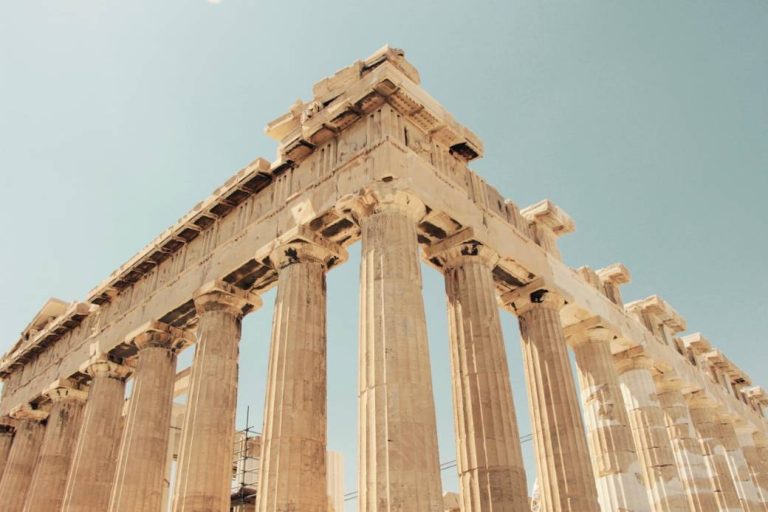 Attractions
Things to do
See the attractions →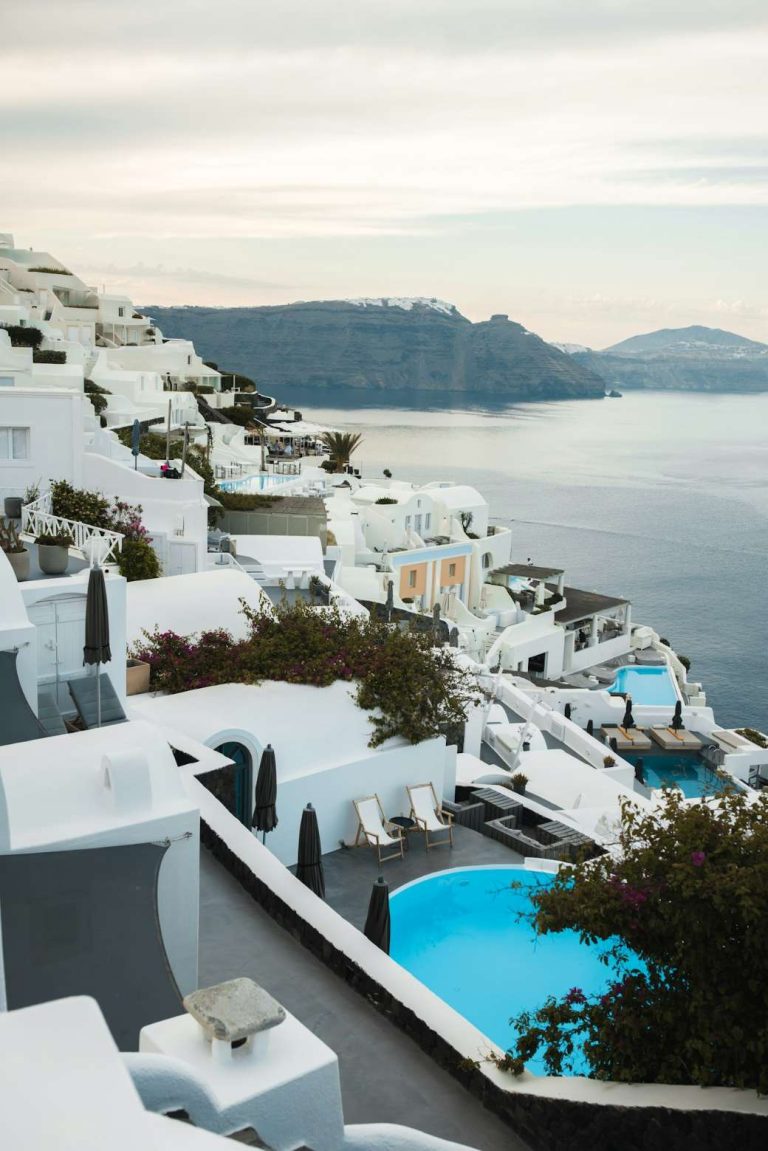 Hotels
Where to stay
Compare the areas →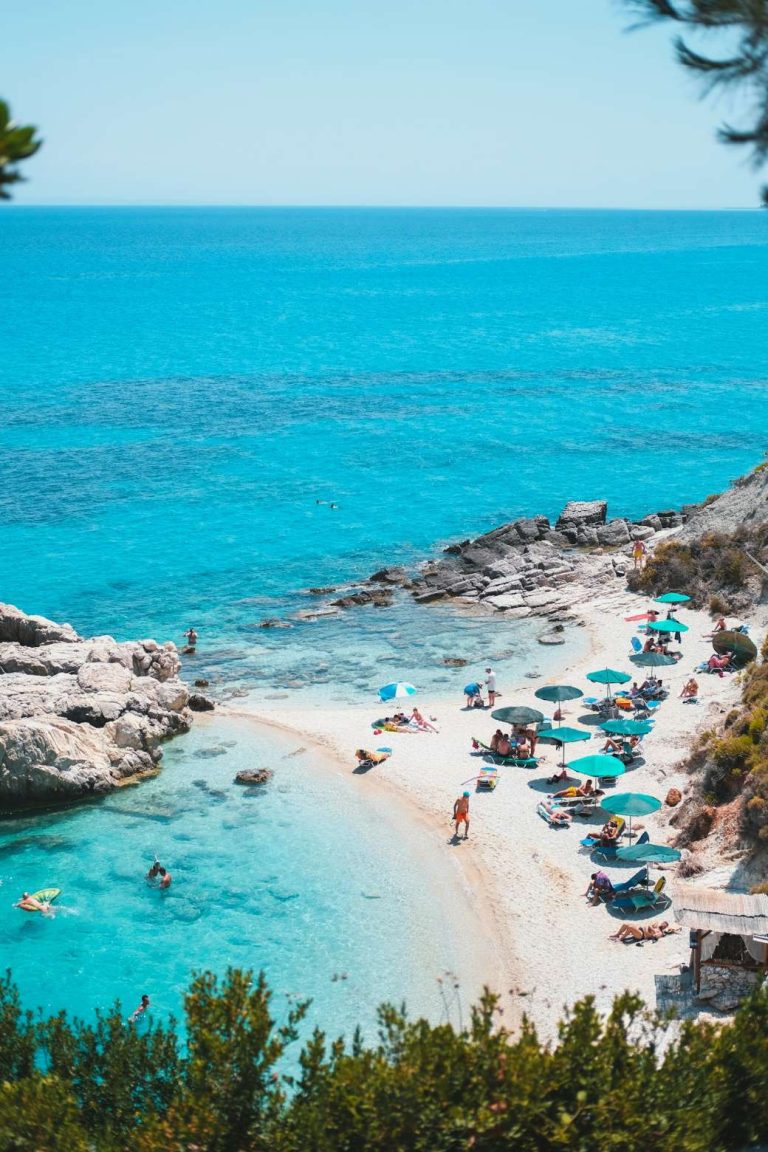 Beaches
The beaches
See the beaches →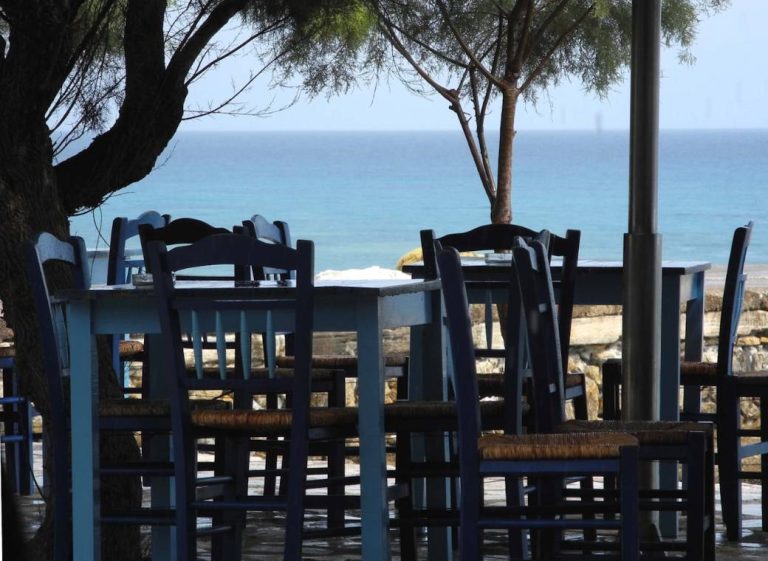 Restaurants
Where to eat
See where to eat →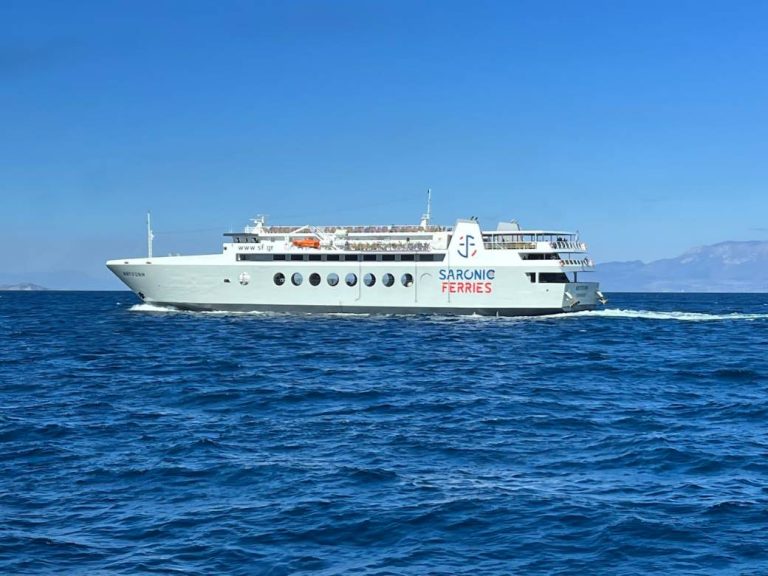 Itinerary
Day by day
See the itinerary →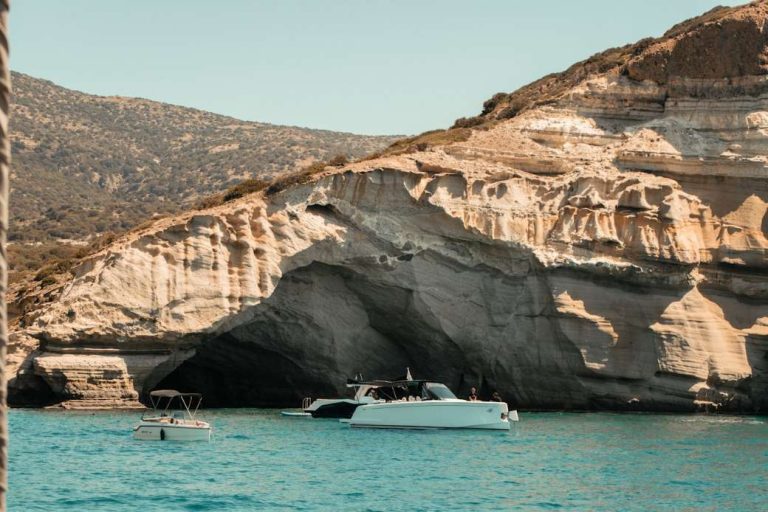 Day trips
Day trips
See the day trips →
Booking
We sell nothing and book nothing for you. Every guide on this page tells you how to arrange each piece yourself - which ferry operator, when to book, what to prebook and what to leave loose.