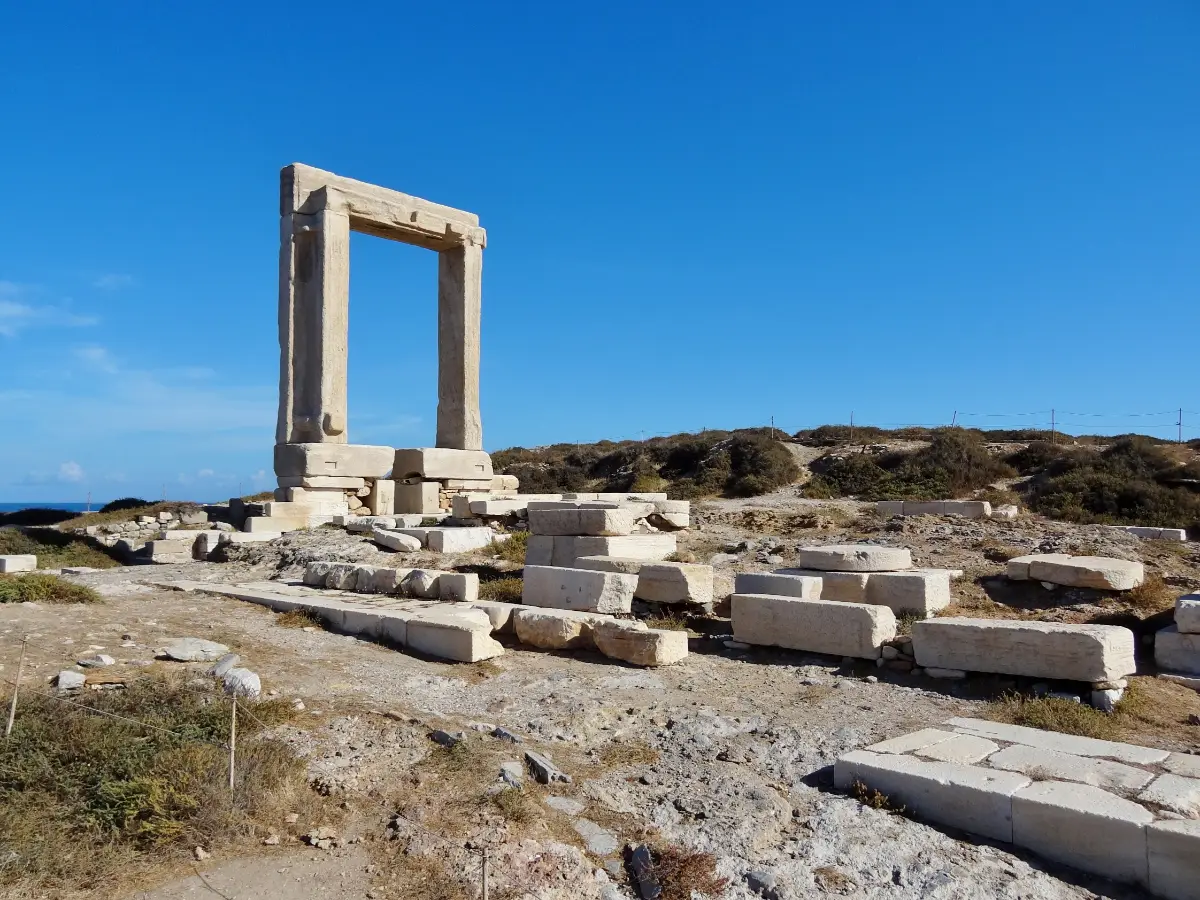
The short answer
Choose the Cyclades for the classic Greek-island image, whitewashed cube villages, blue domes and a dry, bright landscape, and for the best island-hopping in Greece. Choose the Dodecanese for bigger, more historic islands, a longer season, a position on the edge of Turkey and generally fewer crowds and better value. Both are Aegean island groups; the difference is whether you want the postcard and the hopping, or the history and the quiet.
That is the honest answer to the Cyclades or the Dodecanese. One group is the image everyone pictures when they think of Greece and the easiest place to string several islands together; the other is a chain of larger, layered islands off the Turkish coast that fewer first-timers reach. This page settles the axes you weigh: the look, the islands, history, island-hopping, season and crowds, and who each suits.
Choose the Cyclades for the iconic image, the famous islands and the best hopping. Choose the Dodecanese for history, bigger islands, a longer season and fewer crowds. Do both only on a longer trip, they are at opposite ends of the Aegean.
Cyclades vs Dodecanese at a glance
| What you’re deciding | Cyclades | Dodecanese | Verdict |
|---|---|---|---|
| Best for | The classic image, island-hopping | History, a longer season, quiet | Different trips |
| The look | White cube villages, dry and bright | Layered towns, greener in parts | Cyclades for the postcard |
| The famous islands | Santorini, Mykonos, Naxos, Paros | Rhodes, Kos, Symi, Patmos | Cyclades better known |
| History | Ancient sites, Cycladic villages | Ancient, medieval Knights, Italian | Dodecanese, by depth |
| Island-hopping | The heartland; dense ferry network | Workable, but longer legs | Cyclades, decisively |
| Season | Standard summer, strong meltemi wind | Longer, warm into autumn | Dodecanese for a late trip |
| Crowds and prices | The famous islands are busy, pricey | Generally quieter, better value | Dodecanese calmer |
| Turkey | Far from it | On its doorstep; easy combos | Dodecanese |
The read-out: the Cyclades give you the iconic image and the easiest hopping; the Dodecanese give you more history, a longer season and fewer crowds. The Verdict column is our editorial call rather than a score. Place them with the Cyclades and the Dodecanese.
What the Cyclades are: the postcard, and the hopping
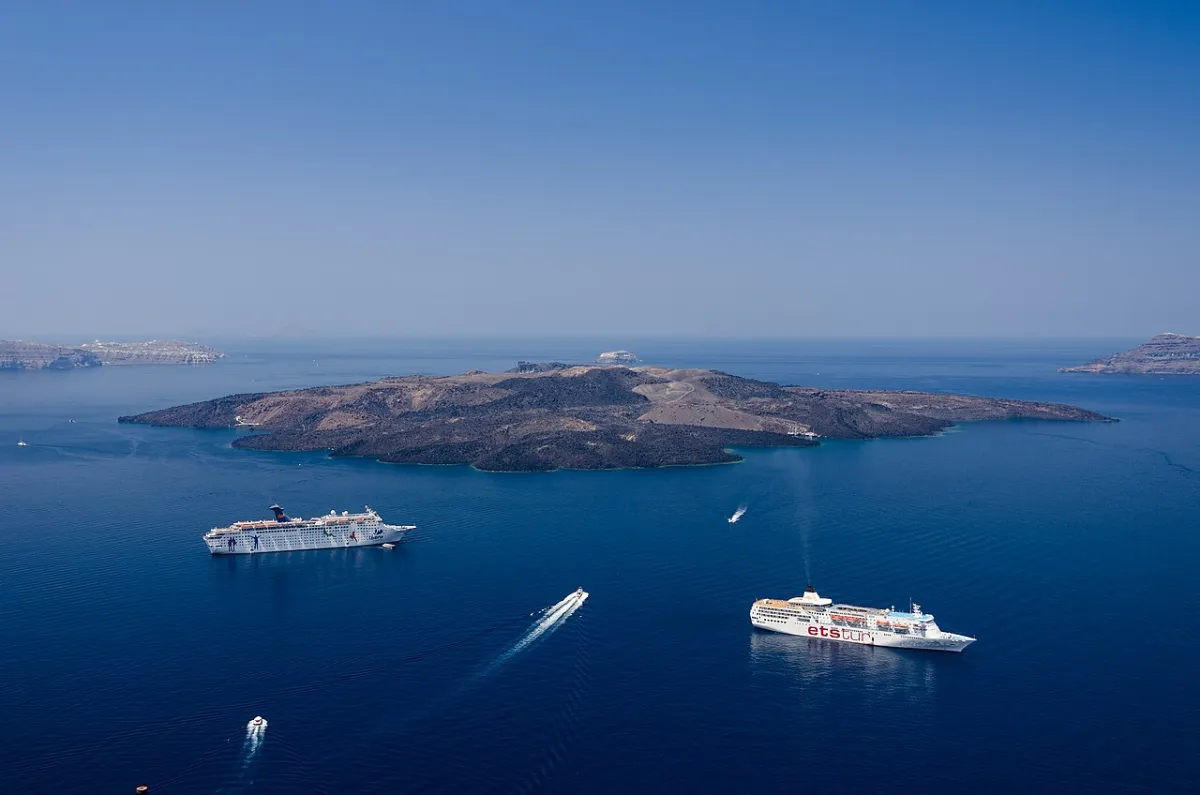
Choose the Cyclades if the classic image and island-hopping are the appeal. The Cyclades are the central-Aegean group that gives Greece its picture: whitewashed cube houses and blue domes on dry, rocky islands, from the caldera of Santorini and the scene of Mykonos to the best sand of Naxos, the all-round balance of Paros and the volcanic coast of Milos. It is also the heartland of island-hopping: the ferry network is densest here, so stringing three or four islands into a fortnight is easiest in the Cyclades, per the island-hopping guide.
The trade-offs are the flip side of the fame: the headline islands are the busiest and priciest in Greece in peak summer, and the group catches the strong summer meltemi wind. Choose the Cyclades if you want the image everyone pictures and the easiest multi-island trip.
What the Dodecanese are: history, and a longer season
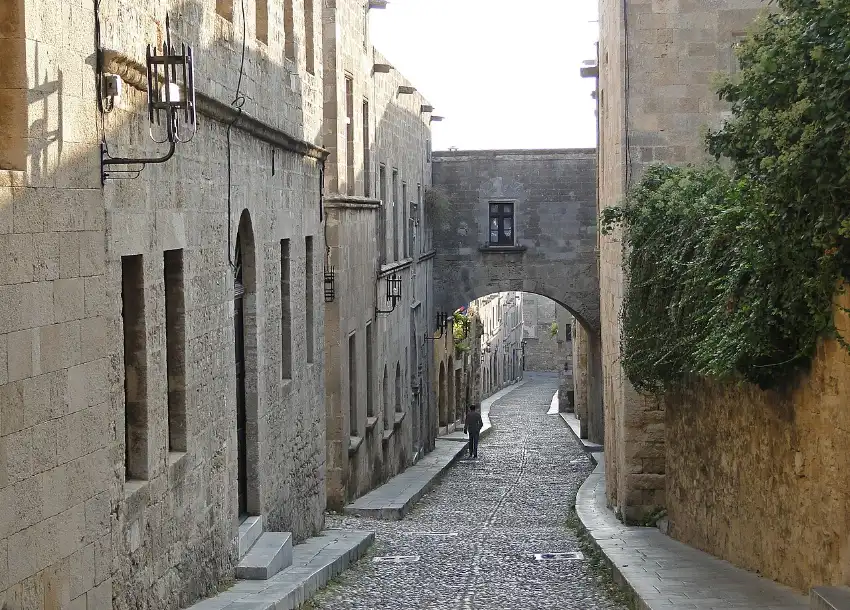
Choose the Dodecanese if history, a longer season and fewer crowds are the appeal. The Dodecanese are the southeastern group, strung along the Turkish coast, and their character is layered history rather than one whitewashed look: the medieval walled city and Lindos of Rhodes, the ancient Asklepion of Kos, the monastery island of Patmos, the neoclassical harbour of Symi, and traditional Karpathos. They are bigger, more varied islands, greener in places, and their position far to the south gives them a longer, warmer season that runs well into autumn.
They are also generally quieter and better value than the headline Cyclades, and their proximity to Turkey makes a combined trip easy. Island-hopping is workable but the legs are longer and the network thinner than in the Cyclades. Choose the Dodecanese if you want history, a long season and an island group fewer first-timers reach.
Island-hopping, season and crowds
On island-hopping, the Cyclades win decisively: the dense central-Aegean network makes stringing several islands together straightforward, while the Dodecanese are more of a one-or-two-island trip with longer ferry legs. Take routes and times from the Greek island ferries guide.
On season, the Dodecanese have the edge for a late trip, sitting far enough south to stay warm well into autumn, while the Cyclades keep a standard summer and a strong meltemi wind, per the best time to visit Greece. On crowds and cost, the headline Cyclades islands are the busiest and priciest in Greece, while the Dodecanese are generally quieter and better value, though Rhodes and Kos have their own busy resort strips; the shoulder trade is in shoulder season in Greece, and every plannable figure lives on what a Greece trip costs.
Which should you pick? By traveller type
- First-timer who wants the classic Greece: the Cyclades, for the image everyone pictures.
- Island-hoppers: the Cyclades, decisively, the densest ferry network.
- History and culture travellers: the Dodecanese, for the medieval and ancient layers.
- Late-season travellers: the Dodecanese, for the longer, warmer autumn.
- Crowd- and budget-conscious travellers: the Dodecanese, generally quieter and better value.
- Anyone combining Greece with Turkey: the Dodecanese, on Turkey’s doorstep.
- Beach travellers: either, both have superb beaches; the Cyclades for the famous ones, the Dodecanese for long resort strips and quiet coves.
Read it top to bottom and it splits by what you came for: the Cyclades for the postcard and the hopping, the Dodecanese for history, a long season and quiet.
How to see both, and why they don’t pair easily
The two groups sit at opposite ends of the Aegean, so combining them means a longer trip with a flight or a long ferry between them rather than a short hop, and most people pick one group per trip. If you want a taste of the Dodecanese, Rhodes is the easy anchor, and Kos vs Rhodes, Crete vs Rhodes and Santorini vs Rhodes settle it against its neighbours and the headline islands.

Diagram by Greece Trips. Free to reuse with credit - CC BY 4.0.
Our pick, if you make us choose
Forced to one group, it depends on the trip you want. Choose the Cyclades for a first trip to Greece, for the classic whitewashed image, and for an island-hopping holiday across several islands. Choose the Dodecanese for a history-rich trip, a late-season holiday, a quieter and better-value week, or a combination with Turkey.
Neither choice is a mistake; they are two Aegean groups answering different wants. One is the picture of Greece and the easiest hopping; the other is history, a long season and quiet. Go deep on the Cyclades or the Dodecanese, or browse the island comparisons.
Quick answers
Are the Cyclades or the Dodecanese better?
Neither is better outright; they are different kinds of trip. The Cyclades are the classic whitewashed Greek-island image, home to the famous islands and the heartland of island-hopping, but the busiest and priciest in peak summer. The Dodecanese are bigger, more historic islands off the Turkish coast, with a longer season, fewer crowds and better value. Choose the Cyclades for the postcard and the hopping, the Dodecanese for history and quiet.
Which Greek island group is best for island-hopping?
The Cyclades, decisively. Their central-Aegean position gives them the densest ferry network in Greece, so stringing three or four islands into a trip is easiest here. The Dodecanese have longer ferry legs and a thinner network, so they work better as a one-or-two-island trip than a multi-island hop. Take the network from the Greek island ferries guide.
Are the Dodecanese cheaper than the Cyclades?
Generally yes. The headline Cyclades islands, Santorini and Mykonos above all, are the busiest and priciest in Greece, while the Dodecanese are usually quieter and better value, though Rhodes and Kos have their own busy resort strips. For a lower-cost, less crowded island group, the Dodecanese tend to come out ahead. The plannable breakdown sits on what a Greece trip costs.
Which island group has the longer season?
The Dodecanese. Sitting far to the south, near the Turkish coast, they stay warm well into autumn, so they are the better choice for a late-season trip. The Cyclades keep a standard summer and catch the strong meltemi wind, and their shoulder season is more about thinner crowds than warmer weather. For an October island trip, the Dodecanese are the safer bet.
Which group has the most famous Greek islands?
The Cyclades. Santorini, Mykonos, Naxos and Paros are among the best-known islands in the world, and the group is the image most people picture when they think of Greece. The Dodecanese are less famous internationally, with Rhodes and Kos the best known, which is part of why they are quieter, but their history and their islands like Symi and Patmos reward the travellers who reach them.