Thessaloniki
Things to do in Thessaloniki
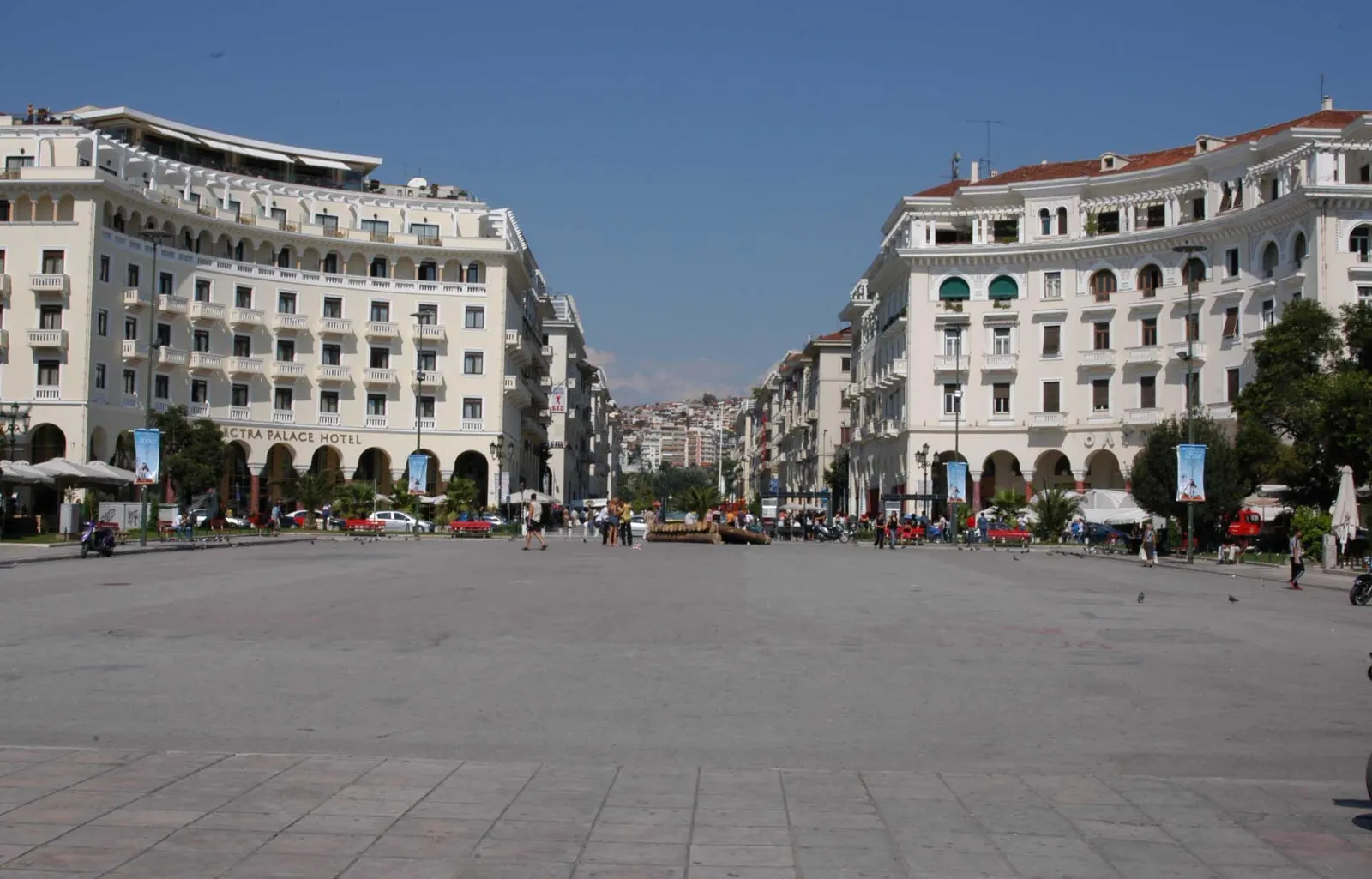
Thessaloniki is Greece’s second city and it is not a classical one. It was founded in 316 or 315 BC and has been lived in continuously ever since, which is a longer unbroken run than most European cities can claim, but what actually stands here is Roman, Byzantine and Ottoman. Come looking for a Parthenon and you will misread the whole place.
The geography does the organising for you. The city runs uphill from the waterfront to the Byzantine walls and the monuments line up along that climb, so the sensible way to see them is one walk rather than a list of stops.
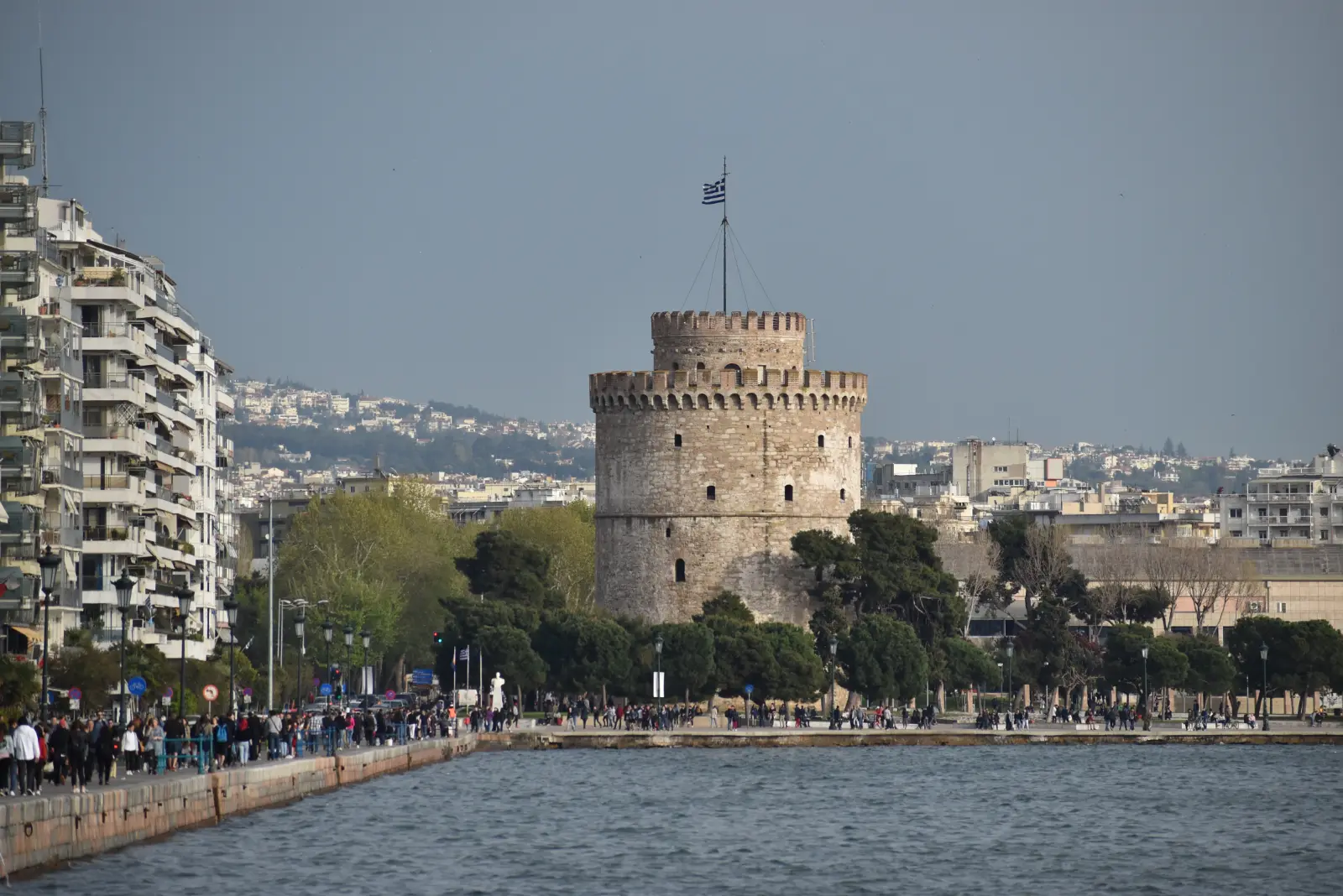
The waterfront. The White Tower is the one entry below with a page of its own, and it is where the walk starts. It is a fifteenth-century Ottoman fortification that has been a garrison tower and a prison, and what is inside it now is not a museum about the tower but the museum of the city, six floors of it and a terrace on top. The tower stands at one end of the Nea Paralia promenade, which is where Thessaloniki takes its evening walk, and that is a real local habit rather than something laid on.
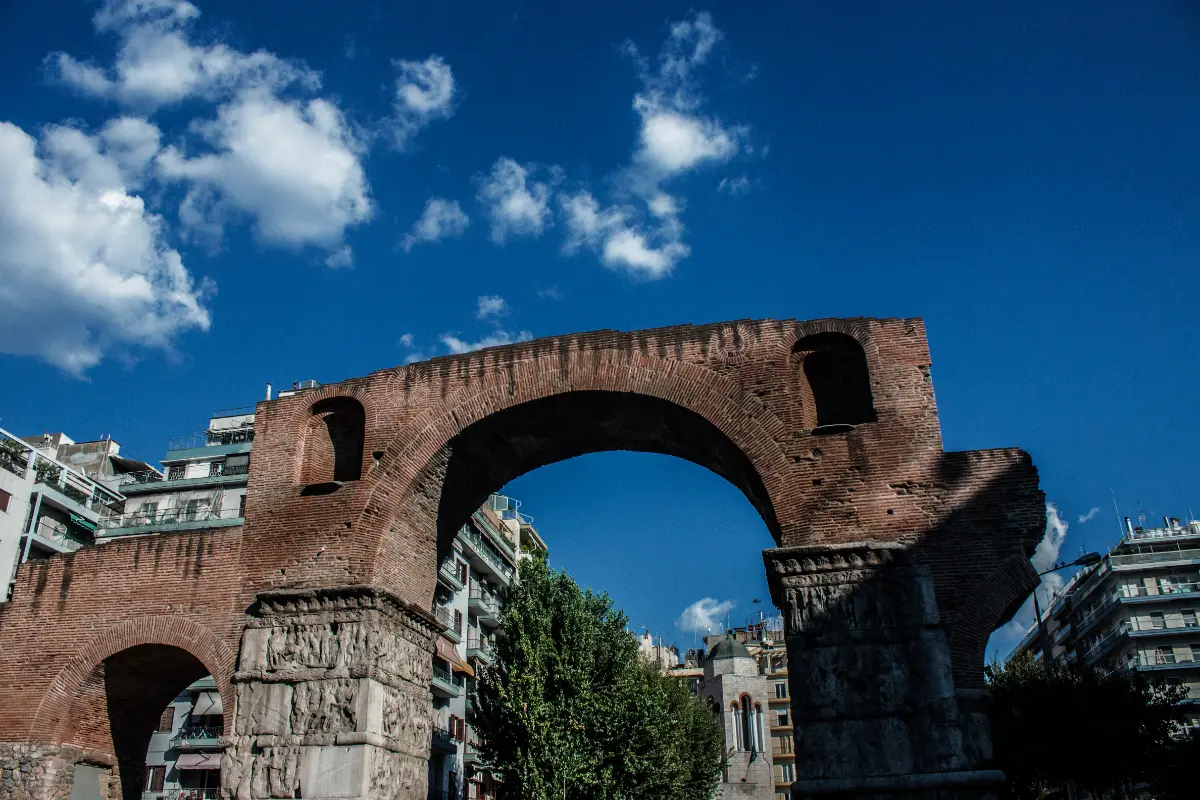
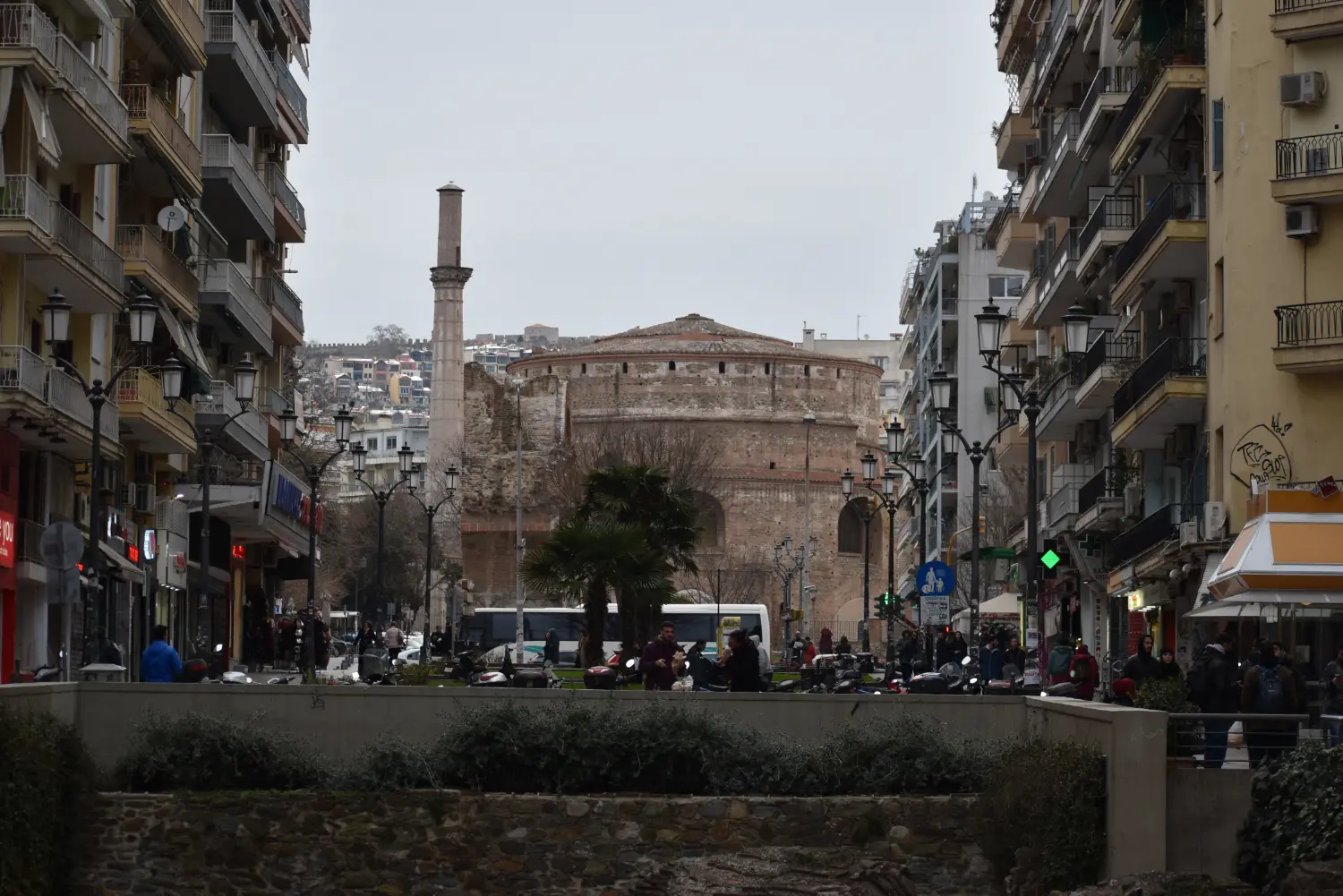
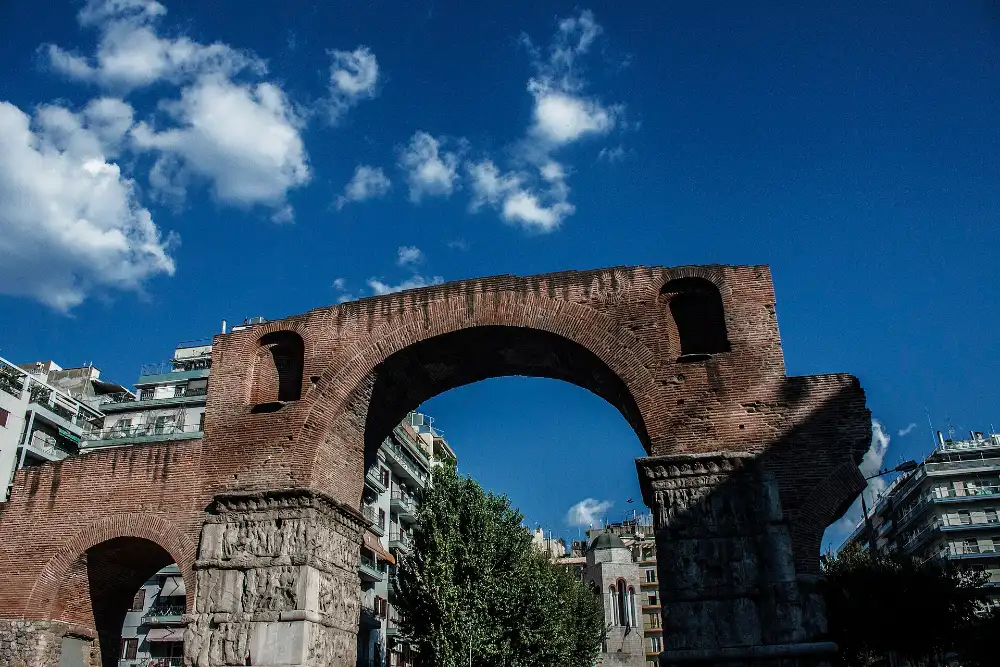
The Roman city. Head inland and the centuries arrive fast. The Arch of Galerius, carved with the emperor’s Persian campaigns, straddles the old road; the Rotunda stands beside it, an enormous early fourth-century domed hall that has been temple, church and mosque in turn; the Roman Forum sits sunken in its own square a few streets on. This is imperial-capital architecture, built when the city was a tetrarch’s seat rather than a provincial town.
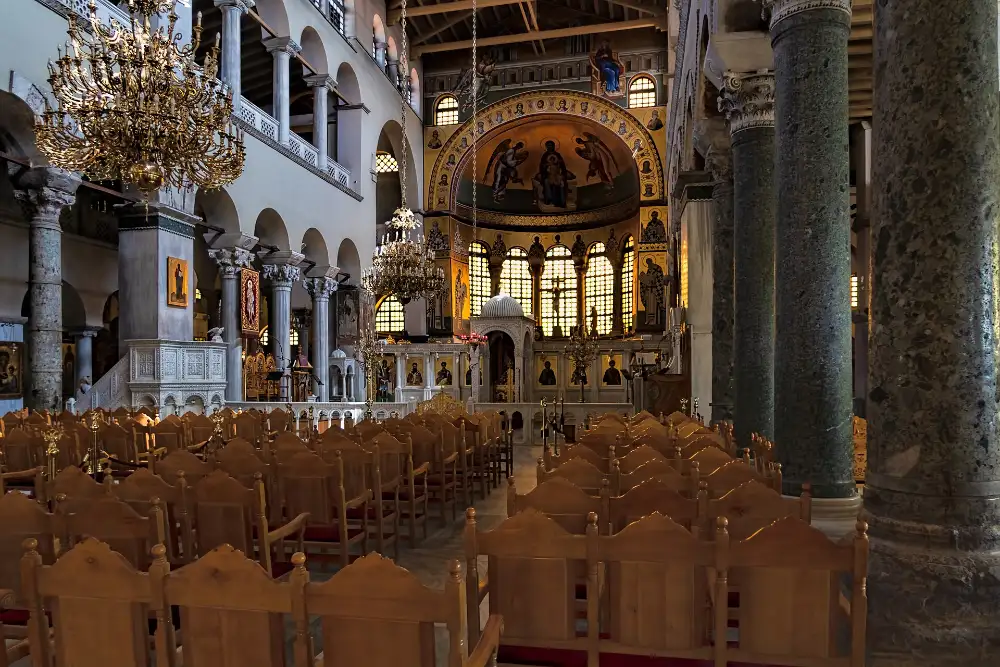
The Byzantine city. Agios Dimitrios, the basilica of the city’s patron saint, stands over its Roman crypt; Agia Sofia is the other one to make time for; and small churches turn up in ordinary streets across the centre. The UNESCO World Heritage listing here is the Paleochristian and Byzantine Monuments of Thessaloniki, a group of fifteen buildings rather than one site. We print no inscription year, because we have not been able to open UNESCO’s own page ourselves. The White Tower is not among the fifteen: it is Ottoman and later, and it belongs to a different story.
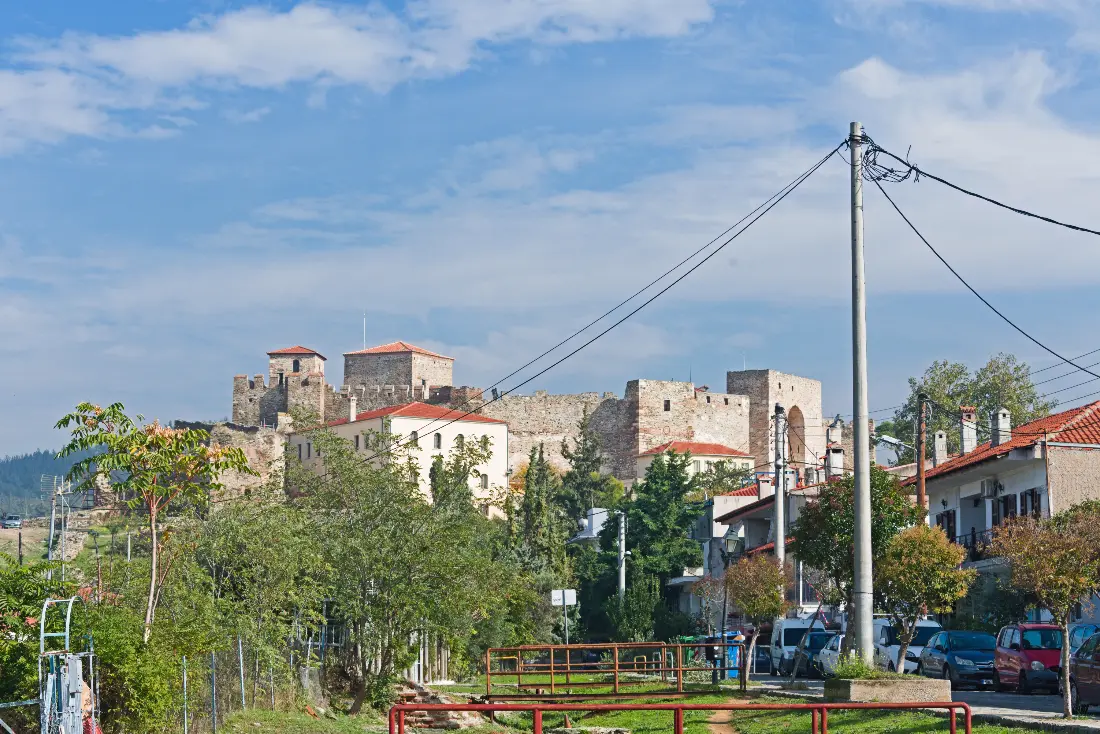
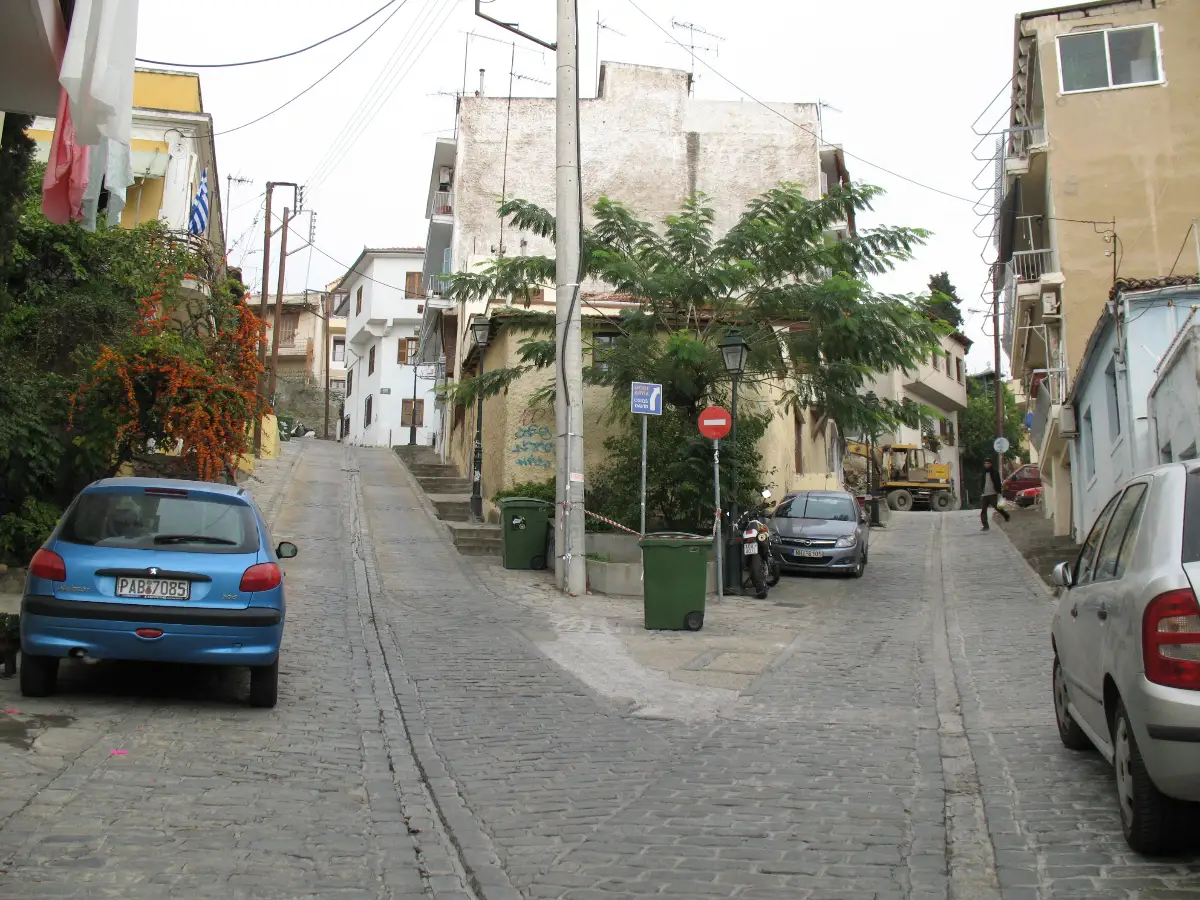
The upper town. Ano Poli survived the Great Fire of 1917, which is why it looks nothing like the grid below it. Ottoman-era houses, lanes rather than streets, small Byzantine churches, and long views over the roofs to the gulf. It tops out at the Byzantine walls and the Trigonion Tower. Walk down rather than up if the climb does not appeal.
The layer that is a story rather than a monument. For centuries this was an Ottoman city and for most of that time a Sephardic one, home to one of Europe’s great Jewish communities until the German occupation and the deportations of 1943. The Jewish Museum downtown carries that history, and the city reads differently once you know it.
Then the food, which is not a footnote here. Thessaloniki eats better than any other Greek city, and the two covered markets, Kapani and the Modiano, are sights in their own right rather than shopping errands. We name no bakery, taverna or bar on this page: those change hands between seasons, and a list of them would be wrong by next summer. The city guide handles the eating in the detail it deserves.
We print no opening hours, no ticket prices and no closed days for anything named above. The Hellenic Ministry of Culture and the individual churches set them and revise them by season and by feast day. The tower also caps how many people are inside at once, so the hour you arrive matters more here than any figure we could print.
The Thessaloniki guide sets out the two-day shape, the neighbourhoods worth staying in, and the day trips north.