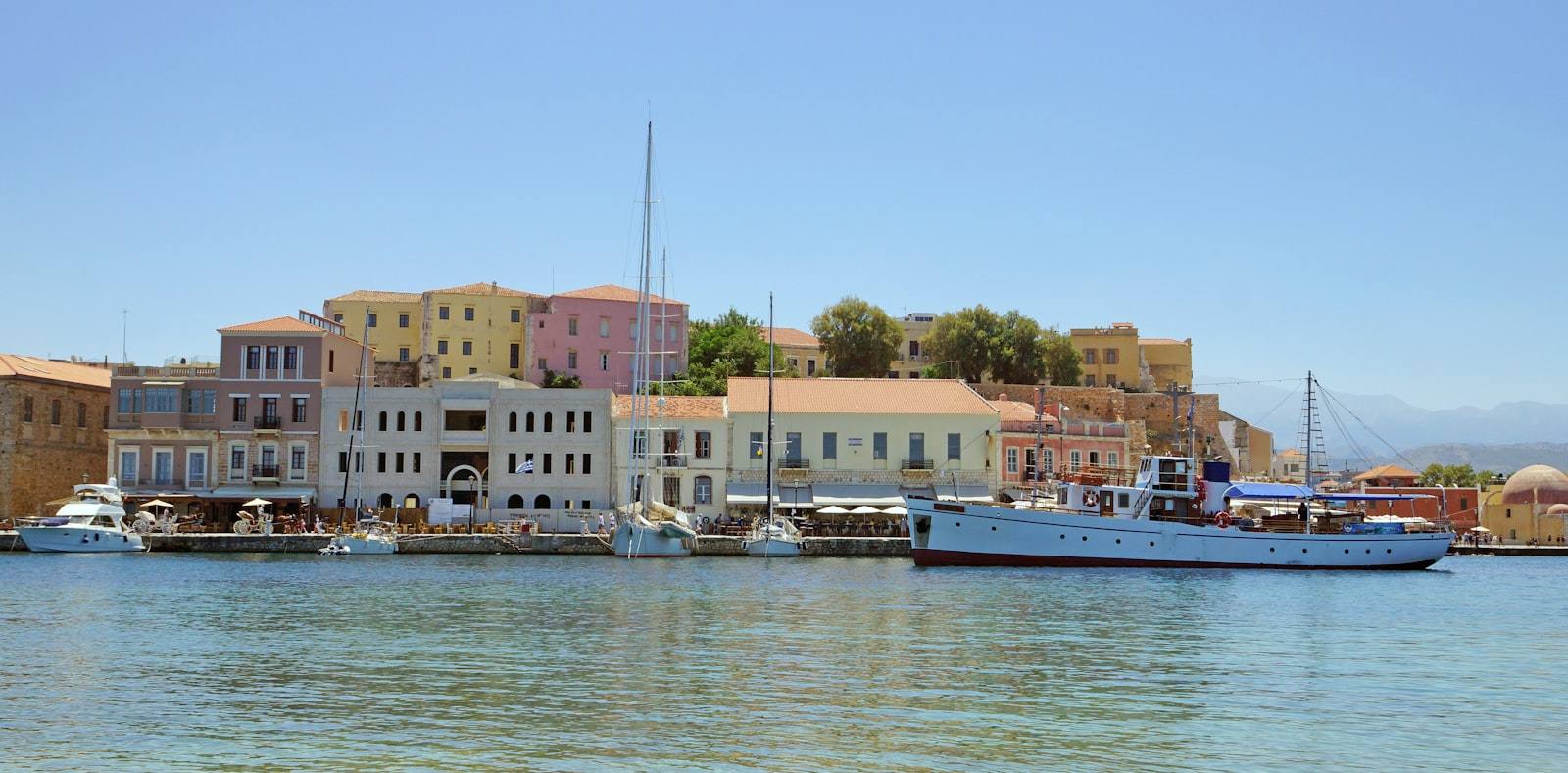
What the extra three nights actually buy
Ten days in Greece is a week plus three nights, and those three nights are the whole decision. This is the same Athens, Naxos and Santorini route the seven-day trip already runs, with room to add either one more island or a slower pass through the three you have - never both, and never a fourth stop and a fifth. There are only two honest ways to spend them: one more island, or a slower pass through the three you already have. A good 10-day Greece itinerary is that fork settled on purpose, before you book a single ferry.
So settle it first. Over a week, the extra three nights buy one of two things: one more island, chosen for contrast, or a calmer version of Athens, Naxos and Santorini. They do not buy two more islands. Bolt on a fourth and a fifth stop and you have built a relay, not a trip.
The reason is arithmetic, not caution. Every island you add spends most of a day on itself - the packing, the checkout, the wait at the port, the boarding scrum, the crossing, the arrival, and another check-in at the far end. Guides that count islands rather than days will sell you five stops in ten nights; the travelers who actually run that route come back describing airports and ferry ramps. Two or three islands done slowly beats five done from a suitcase, and the mechanism is why.

Diagram by Greece Trips. Free to reuse with credit - CC BY 4.0.
That gives the page its one recommendation: add time by default. Keep all three stops and let each breathe. Reach for a fourth island only when you specifically want more variety than rest, and then take exactly one, picked because it looks nothing like the others. Everything below is those two routes drawn out - the slower three first, because it is the one most first trips should book.
If what you actually want is islands only, with no Athens at all, this is the wrong page and the right one is close by. How to plan an island-hopping trip covers the method, and a ready-made Cyclades route sequences one you can copy without the capital.
The seven-day spine you are upgrading
The base route is fixed before this page starts. You fly into Athens, ferry down from Piraeus to Naxos, ferry on from Naxos to Santorini, and fly home from Santorini - a single southbound line that never doubles back, because the airports sit at opposite ends and the ferries between them run one useful way. Two nights in Athens, two on Naxos, three on Santorini, joined by two boats you book before you leave.
That is the seven-day trip, and its daily detail lives on its own page. The full seven-day day-by-day has the Acropolis timing, the Naxos beaches and the Santorini base decision worked out hour by hour; everything here assumes you have read it and are deciding what the extra nights change, not learning the route from scratch. Why the ferries only make sense southbound is worth five minutes if the sequence is new to you.
Two calls carry over from that page and are worth restating, because the ten-day version keeps them. Give Athens a real arrival buffer rather than a single jet-lagged night. And take Naxos over Mykonos as the middle island - bigger, cheaper, calmer, and squarely on the line south - a stance the extra nights only reward more.
The slower three: Athens 3, Naxos 3, Santorini 4
The default use of the three nights is the least glamorous and the most reliable: keep all three stops and give each the day the week denies it. It adds no ferries, no check-ins and no new port to get wrong. You sail the same two boats you were always going to book, and every rushed stop on the seven-day route turns into an unhurried one. This is adding time, not stops, made concrete - Athens gets a day out of the city, Naxos stops forcing a choice, and Santorini gets a real down day before the flight.
One line for the nine-night traveler before the detail: if you have nine nights rather than ten, drop the fourth Santorini night or the Athens day trip, not a whole stop. Losing a night makes one place slightly quicker; losing a stop costs a ferry and an entire island.
Athens: a day trip, not a groggier morning
The third Athens night buys a whole day out of the city, which the week never had room for. Instead of one museum morning wedged against a ferry, you get Delphi in its mountain amphitheatre or Cape Sounion and its cliff-edge temple at the end of the afternoon. Day trips from Athens lays out the options and the transport; book the timed entries and any guided run ahead, and check the current departure times before you commit the day.
Naxos: the inland day and the beach day, both
The third Naxos night ends the seven-day route’s forced choice between the mountains and the sand. With two full days you climb into the interior - the old market village of Halki, the marble lanes of Apiranthos - on one, and give the other entirely to a west-coast beach. A slower Naxos is where the extra night pays off most, because the island is big enough to reward it and calm enough that nothing feels missed. Pack the night before your ferry out, as on the base route.
Santorini: a real down day before you fly
The fourth Santorini night turns a crammed three-night stay into something you actually rest in. Instead of a caldera boat and a scramble to pack, you space it out - the boat one day, the wineries and a black-sand beach the next, and a sunset you watch without racing the crowd for a spot. A fourth night on Santorini also buys a calmer fly-out morning, which matters on an island where the airport backs up fast. Tour prices and sailing times shift by season.
The deliberate fourth stop: add one island, not two
The alternative is to spend the three nights on variety instead of rest - a single fourth island, chosen because it changes the scene rather than repeating it. The rule is one word long: one. A fourth island is a genuine addition; a fourth and a fifth is the relay this route is built to avoid. Keep Santorini’s nights where they are and give the new island two to three of its own, so it earns the ferry rather than becoming a one-night stopover you photograph and leave.
Which island depends on how different you want it to feel, and the honest trade sits between contrast and friction.
Milos: the change of scene worth a detour
Milos earns the fourth slot because it looks nothing like the other three stops. Its coast is a volcanic strangeness - the wind-carved white rock of Sarakiniko, the sea-stacks and swim-through caves of Kleftiko reached only by boat - and after Naxos sand and Santorini caldera it lands as a genuine change of scene rather than more of the same.
The cost is the ferry, and it is a real one. Milos sits on the western Cyclades line out of Piraeus, the route through Serifos, Sifnos and Kimolos, not the central Naxos-to-Santorini spine the rest of your trip runs on. Its connections are thinner and vary by season, so a Milos leg is the one you build the trip around and lock first, not the one you improvise at the port. Do not trust a blog that waves it off as a couple of hours from Santorini - check the actual sailing on an aggregator before you commit the plan to it. Milos in full makes the case for the island; the crossing is a schedule to confirm, not a number to assume.
Paros: the easy add that is more of the same
Paros is the frictionless fourth stop. It sits right beside Naxos on the central line, so the hop is short and the ferry barely registers against the two you already have. The catch is the flip side of the ease: Paros buys you more of the same Cyclades rather than a different one. Take Paros if you loved Naxos and simply want another few days of it, and take Milos if you want the trip to change key.
Two islands to steer around as the fourth stop. Mykonos is the reflex choice and the wrong one here unless its nightlife is the specific draw - it is the crowded, expensive end of the Cyclades, not a contrast to Santorini. And Crete is a different, longer trip: adding it points you at the two-week Athens, Santorini and Crete route, not a ten-day one.
The ferries, upgraded: what changes when you add a night or a stop
Here is the part that actually changes when you choose a route, and it is smaller than it looks. The slower three keeps the exact two ferries you were always booking. Nothing new. Piraeus to Naxos runs about 3h20m–4h20m on a high-speed catamaran or 5–5.5 hours on the Blue Star conventional, and Naxos to Santorini is roughly 2 hours conventional or 1–1.5 hours on a high-speed. Those are the same numbers the seven-day route runs on.
A fourth stop adds a third boat, and the two options differ sharply. A Paros insert is a short central-line hop dropped between Naxos and Santorini, barely a change to the plan. A Milos insert leaves the central line for the western one, so its crossing is the single leg worth worrying about - the frequency is thinner, it moves with the season, and it is the sailing to lock before anything else. That is a schedule to look up on the day’s timetable, not a duration to take on trust here.
The reliability rules from the seven-day route hold, and they matter more with a third boat in the mix: sail in the morning before the wind builds, take the conventional ferry over the high-speed on any leg you cannot miss, and remember that the meltemi - the dry north wind that blows strongest from July into September - cancels the high-speed boats first. The full ferry mechanics and the two-boat table live on the ferries guide, and the base ferry sequence is on the seven-day route; this page only adds the third leg and the western-line warning.
The best months for 10 days in Greece
May–June and September–October are the months this route wants. Late spring and early autumn give you warm days, a sea still worth swimming in, ferries still running often, and caldera rooms below their August price - the conditions a ten-day trip depends on more than a week does, because the more stops you string together the more you lean on frequent sailings to join them.
That dependency is the ten-day-specific point. A slower three is forgiving in any shoulder month. A fourth island is not: off the central line, in September or early October, its connections thin out and need checking harder before you build a plan on them. Push into winter and the route stops working - the sailings that hold it together drop away, and the fourth-island leg is the first to vanish.
One date to avoid outright: mid-August. Ferries sell out weeks ahead, the caldera is at its most crowded and its most expensive, and the slack that makes ten days comfortable disappears into full boats. If August is your only window, book everything early and expect company. The wider seasonal picture is in the best time to visit Greece and Greece weather month by month.
What to book ahead, what to leave loose
Ten days runs on rails if you lock the handful of things that sell out or fix the route, and stays relaxed if you leave everything else for when you arrive. The split is the same one the seven-day route uses, with two additions for the extra nights.
Book ahead:
- Every ferry sailing. Two for the slower three, three if you add a stop - and if the fourth island is Milos, book that western-line leg first of all, because its thinner schedule is the one most likely to force your dates.
- The extra caldera-view nights. Four nights of a rim room is the biggest single line in the trip and the first thing to sell out; reserve it early or decide on purpose to drop the view.
- The Acropolis timed entry and any Athens day trip. Morning Acropolis slots go first, and a Delphi or Sounion day is easier locked before you arrive than arranged on a groggy morning.
- The fourth island’s room. Smaller islands have smaller bed-bases that fill fast in season, so a Milos or Paros stay is booked ahead, not found on arrival.
- The Santorini fly-out transfer, if your flight is early. Cabs are scarce at both the port and the airport, so arrange the ride rather than hunt for one at dawn.
Leave loose:
- Restaurants - follow whichever taverna is full of locals.
- Beach days, which follow the wind anyway.
- The Naxos choice between an inland day and a boat.
- The Santorini choice between a caldera boat and the wineries.
- Sunset spots, decided on the day.
On cost, there is no single headline number, and the levers move it far more than any total would tell you: the season, whether you sail high-speed or conventional, the Santorini caldera-view premium, and now a fourth island’s extra nights and its ferry. Plan around those rather than a figure. What a Greece trip actually costs breaks them down, and caldera-view rooms compared covers the biggest one.
This page is the plan - settle the fork, lock the ferries and the caldera nights in the order above, and the rest falls into place. Plan this trip.
What breaks this route
Ten days is more forgiving than a week, but it fails in three predictable ways, and it is fairer to name them before you book than after. Each has a fix, and two of the three are things you do to yourself.
The five-stop relay. This is the self-inflicted one. Bolt a fourth and a fifth island onto the three you started with, and once the travel days come out you are down to roughly one to two full days on each - a check-in every other morning, a packed bag more often than an unpacked one, and no rest anywhere. The fix is the whole argument of this page: one fourth island at most, or none.
A cross-line fourth island. Drop Milos into a rigid, pre-booked plan and its western-line sailings can strand you when they do not line up with your dates, because they run thinner than the central spine and shift with the season. The fix is to book that leg before anything else, keep a night of slack around it, or take the frictionless central-line add, Paros, instead.
The shoulder-into-winter collapse. The route leans on frequent boats, and that frequency falls away out of season. The Naxos-to-Santorini leg runs up to around eight sailings a day in high summer but drops to roughly five a week from October to May, and every extra stop raises your exposure to it. Travel late in the year on a slower route with fewer forced connections.
The honest counterweight: ten days carries more slack than seven, so a single wind-cancelled sailing is usually something this route can absorb - a lost afternoon, not a lost flight. That cushion is itself an argument for spending the extra nights on depth rather than a fourth boat. If the moving parts still feel like a lot - young children, or a preference for fewer moves - a slower, family-paced ten days trades variety for room, and how ferry frequency changes with the season shows exactly what thins out and when.
Quick answers
Is 10 days enough for Greece?
Yes, and it is close to the sweet spot for a first trip. Ten days is Athens plus two islands done slowly, or Athens plus three if you keep moving. What it is not enough for is the mainland’s ancient sites and the islands together - that is what two weeks is for. The risk at ten days is not too little time; it is trying to see too much.
How many islands should you visit in 10 days in Greece?
Two islands plus Athens is the unhurried default, three is the comfortable maximum if you move efficiently, and four means a check-in every other day and little rest. Three islands in ten days beats five. Every island you add loses most of a day to packing, ports and another check-in, so the count costs more than it looks.
Can you add a fourth island to a 10-day Greece itinerary?
Yes, but add one, not two, and add it for contrast. Milos brings a completely different, volcanic landscape; Paros is the easiest hop, right beside Naxos. Keep Santorini’s nights and know that a fourth island off the central ferry line needs its connection booked early. A fourth island buys variety at the cost of a rest day and a ferry.
Should you add a fourth stop or slow down the three you have?
For most first trips, slow down the three. The extra nights turn rushed stops into unhurried ones for the same two ferries and no added risk - a day trip out of Athens, an inland day and a beach day on Naxos, a real down day on Santorini. Add a fourth island only if you specifically want more variety than rest. That is the whole decision: a fourth stop, or a slower third.
What should you pack for 10 days in Greece?
Pack for ferries and islands, not a generic beach holiday: layers and a windproof top for the meltemi and the open ferry decks, real shoes for the caldera path and the marble village lanes, swimwear you can rinse and re-wear, reef-safe sun cover, and a soft bag rather than a hard case, which is far easier on port ramps and cobbles.
Is 9 days enough, or do you need the full 10?
Nine works. Drop one Santorini night or the Athens day trip before you drop a whole stop, because losing a night just makes one place slightly quicker, while losing a stop costs a ferry and an entire island. The depth-over-stops rule that runs the whole route runs this decision too.
How is this different from the 7-day Greece route?
It is the same Athens, Naxos and Santorini southbound route with three nights added - spent either on a slower version of those three stops or on one deliberately chosen fourth island. The seven-day route has the full daily plan; this page has only what the extra nights change and how to choose.