Sifnos
Things to do in Sifnos
Sifnos has a reputation in Greece that it does not have abroad, and it is a reputation for food. The island produced Nikolaos Tselementes, whose cookbook was so dominant that his surname became the Greek word for a recipe book, and the cooking here is still taken seriously enough to be a reason for the trip. Everything else on this page is what you do between meals, and on Sifnos that turns out to be more than it sounds.
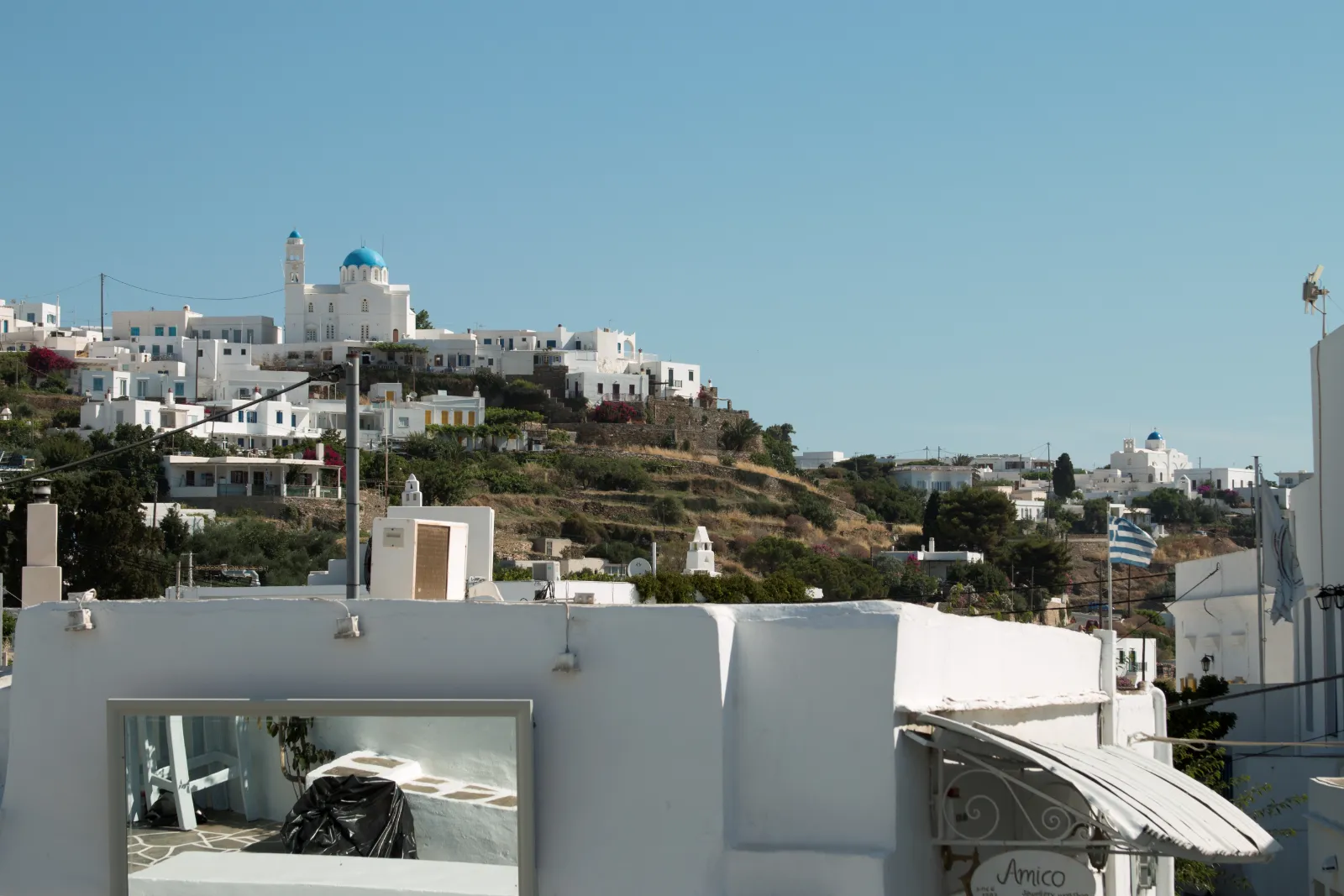
Kastro, which is the most striking place on the island. The old capital sits on a headland on the east coast, built as a continuous ring of houses whose outer walls formed the defence, with Venetian coats of arms still set in the stonework and a whitewashed church on a rock below it. It is a village that is also a wall, and walking it is the clearest hour on Sifnos. Go at both ends of the day if you can: the light does completely different things to a white village on a headland at breakfast and at dusk.
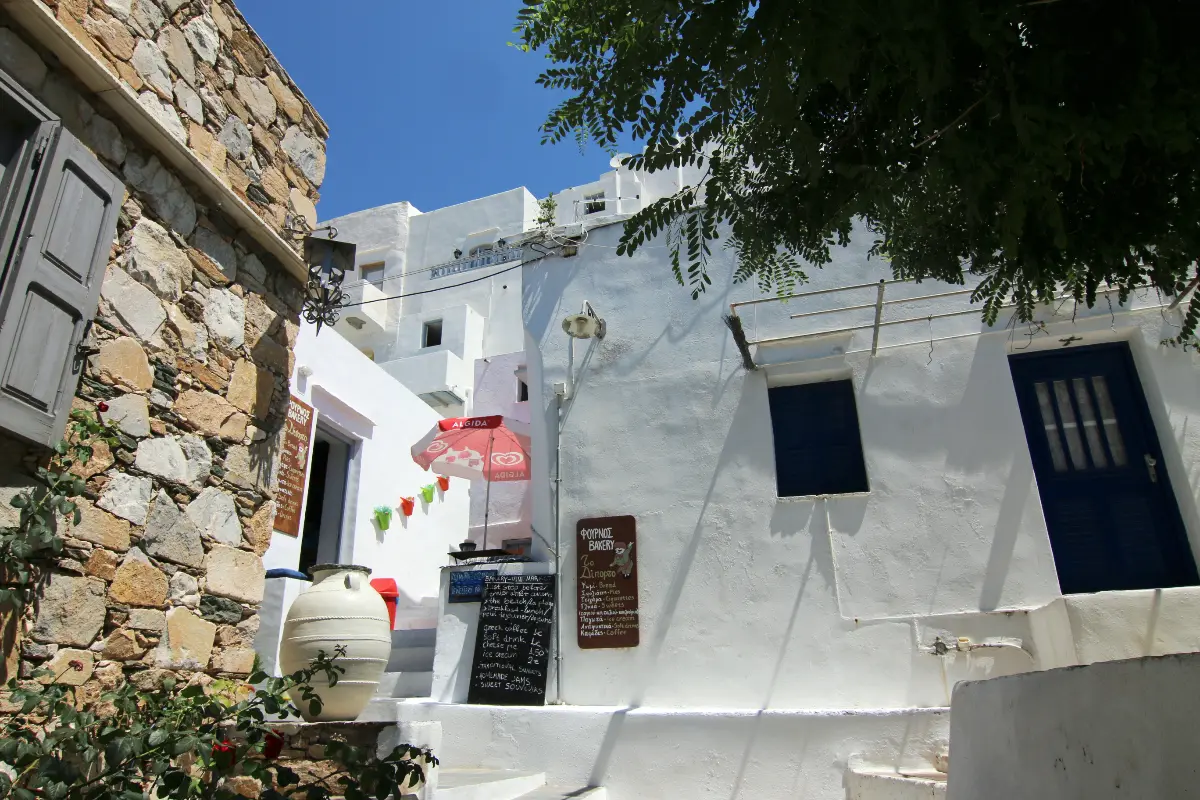
Apollonia and Artemonas, the two halves of the middle. Apollonia, the capital, sits inland: a knot of whitewashed lanes with the bars and tavernas along a stepped street everyone calls the Steno. Artemonas, next to it, is the handsome one, with neoclassical houses and a slower pace. They are a short walk apart and they do different jobs, which is why staying in one and eating in the other is the normal shape of an evening here.
The pottery, which is still a trade rather than a display. Sifnos has made pots for centuries, and the workshops along the coast at Vathi and elsewhere are still working. The island’s cooking pots are the practical end of the same tradition, which is the neat thing about Sifnos: the craft and the food are the same story. A workshop visit here is a visit to somewhere that makes things, not somewhere that sells them to visitors.
The footpaths, which are the island’s genuine surprise. Sifnos has a marked network of old stone paths, restored and signed, linking villages, monasteries and bays. On an island this size that turns walking into a proper way of getting about rather than an excursion, so you can plan a day as a walk between two villages with a swim in the middle and never touch a bus. Very few Greek islands can honestly claim that. The country picture is in hiking in Greece.
Chrissopigi, the monastery on the rock spur. It appears on every photograph of Sifnos: a small white monastery out on a spit of rock with swimming off the stone either side. It is an active religious site, so ordinary church etiquette applies, and the practice is set out in Greek etiquette and customs.
Where the food fits, and why we name no taverna. The cooking is the reason a lot of Greeks come, and it is centred on slow-baked dishes in the island’s own clay pots. We name no restaurant on this page. Kitchens on an island this size change hands and close between seasons, so a list of names is out of date before you read it, and the site’s venue standard needs two independent platforms and a review floor that an island this small does not clear. What lasts is the tradition and where it is practised. Greek food and drink covers the wider table.
How long it earns. Three or four nights suits Sifnos: enough to eat properly, walk one or two of the paths, and see Kastro at both ends of a day. Our Sifnos guide has the island in full, the beaches cover the coast, and Athens to Sifnos covers getting here, because there is no airport.