This page decides the axes you actually weigh: islands and beaches versus cities and coast, ancient sites, food, getting around, cost, first-timer fit, and when to go.
Choose Greece for islands, beaches and long lunches by the sea. Choose Italy for cities, museums, regional food and fast city-to-city travel. Do both if you have two weeks and cannot decide between them.
Greece vs Italy at a glance
The whole decision fits in one table. Each row is an axis you weigh, and the verdict column names the winner or calls it close.
| Axis | Greece | Italy | Verdict |
|---|---|---|---|
| Best for | Islands, beaches, slow sea pace | Cities, art, food, fast routes | The trip you want |
| Islands and beaches | Hundreds of islands, sandy and pebble bays | Coastal drives, a few beach islands | Greece |
| Cities and countryside | Athens, then out to the islands | Rome, Florence, Venice, Tuscany | Italy |
| Ancient sites | The origin: Acropolis, Delphi, Knossos | More of it, better preserved: Colosseum, Pompeii | Italy |
| Food | Fresh, simple, great value | Widest regional range in Europe | Close: Italy for range, Greece for value |
| Getting around | Fly to Athens, then ferries | High-speed trains, city to city | Italy for ease, Greece for the ride |
| Cost | Roughly comparable | Roughly comparable | Close: depends on islands vs cities |
| First-timer fit | Easy beach-and-island week | Classic cities-and-art week | The trip you want |
| When to go | Roughly May, June, September | Spring and autumn | Both in shoulder season |
| Ideal length of stay | A week for one island focus | A week for two or three cities | About a week each |
| Do both | Islands as the slow finale | Cities first, by rail | Yes, on two weeks |
Every verdict in that last column is ours, and the axes are weighted by nothing but judgement, so a reader who cares more about one row than another should reach a different answer. Read the table one way: Greece takes islands, beaches and a slow island pace; Italy takes cities, art and getting around; food and cost are close calls that come down to how you like to travel. The reasoning for each row sits in the sections below, and the money and timing get their own dedicated pages, so this page compares while those go deep. For costs in detail, see what a Greece trip costs; for timing, see best time to visit Greece.
Islands and beaches, or cities, coast and countryside
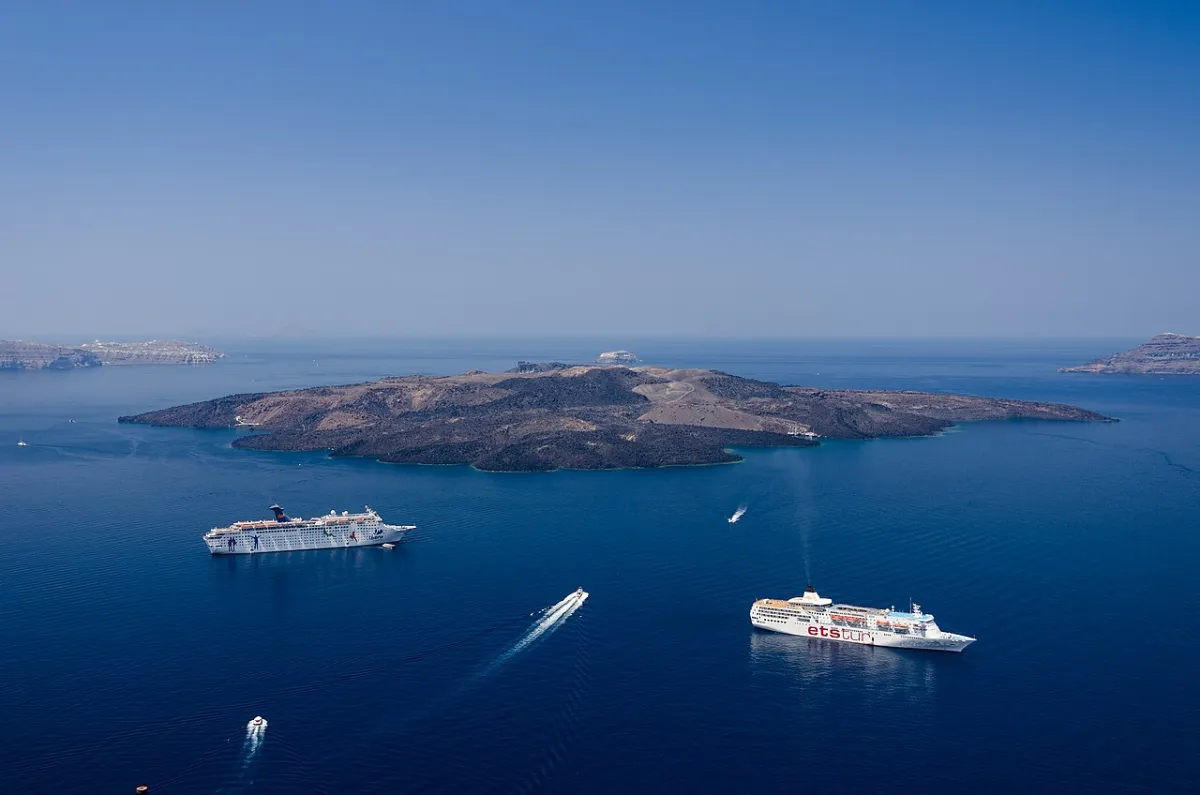
The single biggest difference is geography, and it sets up everything else. Greece is an archipelago: hundreds of islands scattered across the Aegean and Ionian, a couple of hundred of them inhabited, reached from Athens by ferry, with genuinely sandy and pebble beaches and a trip built around the water. You pick an island or two, swim, eat by the sea, and let the pace stay slow. Italy is a mainland. Its draw is a run of world-famous cities, Rome, Florence and Venice, strung near a dramatic coast (the Amalfi Coast, Cinque Terre) and rolling countryside (Tuscany, Umbria), and the trip is about moving between them.
That difference decides the beach question. For a straight swim-and-lounge holiday, the Greek islands win, and it is not close: the spread of bays, the clear water and the short ferry hops are the whole point. The Italian coast is spectacular, but it is a different thing. The Amalfi Coast is about the drive, the cliffside towns and the view more than the beach day, and its beaches tend to be small, often pebbly and busy, with a good share of them run as paid lidos rather than open sand. Sicily and Sardinia do have real beaches, Sardinia’s among the best in the Mediterranean by most accounts, but they sit far from Italy’s marquee cities and pull the whole trip toward one region.
So the sub-question answers cleanly. Asked whether to pick the Greek islands or the Amalfi Coast, choose the Greek islands for beaches and island-hopping, and the Amalfi Coast for scenery layered onto a cities trip.
Pick Greece if the trip is about islands, beaches and being on or by the sea. Pick Italy if it is about cities, coastal scenery and countryside variety, with the beach as a bonus rather than the plan.
Ancient sites: two different ways to meet the past
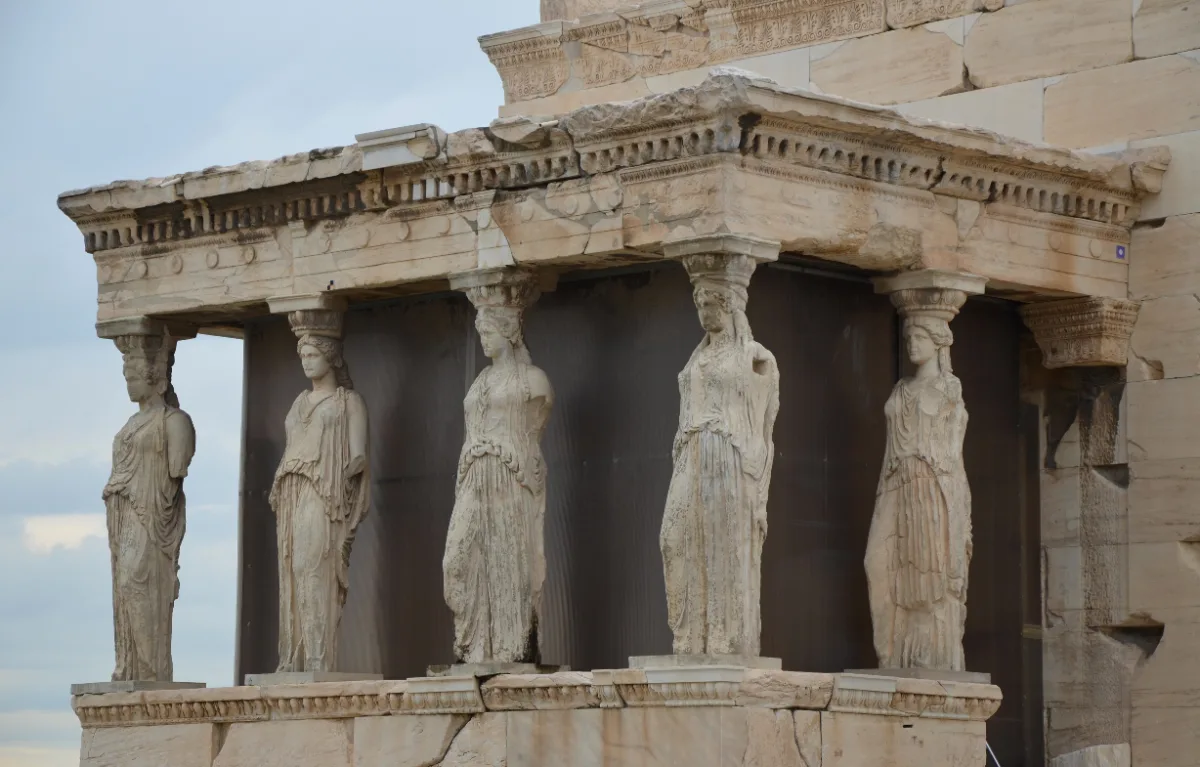
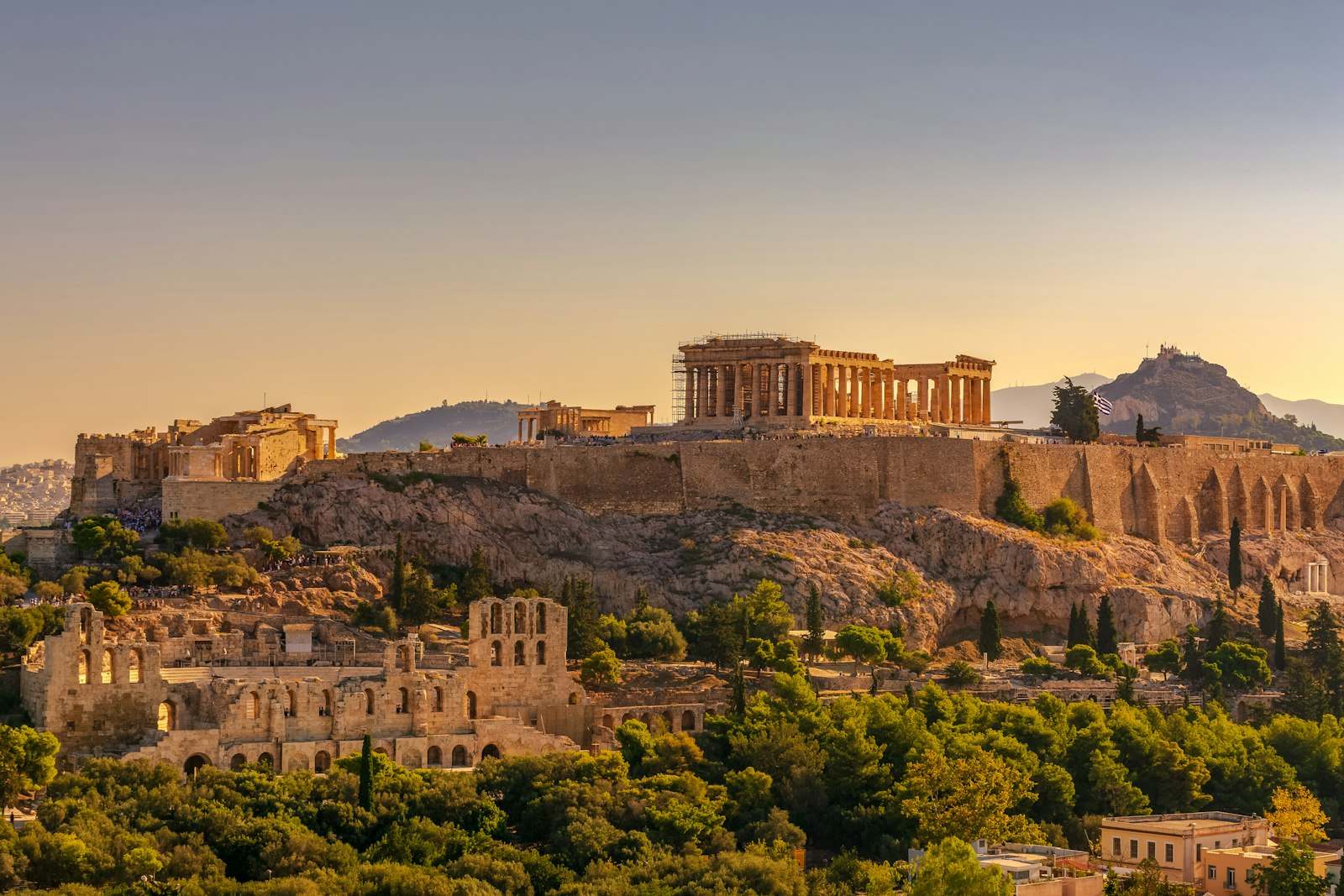
Both countries put you inside the ancient world, but they do it differently. Greece is the origin story. The Acropolis in Athens, the oracle site at Delphi, Olympia where the games began, and Knossos on Crete are mostly open-air archaeological sites you walk through, strong on ancient Greek civilisation and its myths. You wander them, often with room to breathe, and you can pair a morning of ruins with an afternoon on a beach the same day. The deeper detail lives on the Athens hub.
Our view is that Italy gives you more of it, more densely, and often better preserved. Rome alone stacks the Colosseum and the Forum; Pompeii is a whole Roman city frozen mid-life; and on top of the classical layer sit a second and third one, the Roman Empire and then the Renaissance, that Greece does not offer, from the Vatican to the Uffizi. Italy is also usually named as the country with the most UNESCO World Heritage Sites in the world. The “better preserved and more concentrated” reading is a judgement, and a traveller who came for open-air archaeology rather than for museums may weigh it the other way.
The trade-off is crowds and logistics. Italy’s marquee sites, the Vatican, the Colosseum, the Uffizi, mean timed tickets, long queues and peak-season crush, while Greece’s sites are usually less mobbed and easier to slot around the rest of the trip.
Pick Italy if history and art are the main reason to travel and you want breadth and preservation. Pick Greece if you want the ancient-world origin and would rather walk open ruins than queue for a museum.
Food: fresh and communal, or the deepest kitchen in Europe
Both countries eat brilliantly, so this axis is about range, not quality. Greek food is fresh, seasonal and communal: a gyro off the grill, a taverna table crowded with mezze, whole fish grilled and dressed with lemon and oil, all of it cheap to eat well. It is honest cooking that does not try hard, and it is genuinely difficult to eat badly.
Italy has the deepest, most regional food culture in Europe. Pasta and pizza are made differently in every region, carbonara in Rome, ragu in Bologna, seafood in Naples and Sicily, and behind them sit a serious wine culture, a proper coffee ritual and more formal dining than Greece runs. On a trip built around eating, Italy has more to work through.
One rule holds in both countries, and most guides skip it: the good food is two streets back from the waterfront. The tavernas and trattorias on the harbour or the main square charge for the view and cook for people who will not return. Walk inland a block or two and prices drop while the cooking improves.
Pick Italy if food is a primary reason for the trip and you want regional range. Pick Greece if you want excellent, honest food at lower prices without making meals the whole itinerary.
Getting around: ferries or fast trains
Transport is not a footnote here; it is half the reason the two trips feel so different. Italy is the easier country to move around. High-speed trains link Rome, Florence, Venice and Naples directly, city metros work, and you can base in one city and day-trip to the next without renting a car. The country rewards a multi-stop plan.
Greece is slower and tied to the sea. You fly into Athens, then ferries carry you out to the islands from the ports at Piraeus and Rafina, and the boat is part of the trip rather than just transit. Off high season the schedules thin out and can be moved by weather, so island-hopping asks for patience and a little slack in the plan. The approach into a caldera or a harbour is scenery you came for, not dead time. For how the boats actually run, see Greek island ferries, and for stitching a route together, the island hopping guide.
The takeaway is simple. Italy suits travellers who want to see a lot of places efficiently; Greece suits travellers happy to slow down, base on an island or two and let ferry timing set the day.
Pick Italy if easy, fast movement between many places matters. Pick Greece if you would rather have fewer bases and a slower, sea-level rhythm.
Cost: roughly comparable, and it depends on islands vs cities
Here is where the internet is out of date. For years the standard line was that Greece is simply cheaper than Italy, and we do not think that is safe to say any more. Our reading is that the two land close on a daily average, and that Greece can even come out slightly ahead, because the premium islands pull its average up in a way no single Italian region does.
So the honest answer is that cost depends far more on where you go inside each country than on which border you cross. A week on Santorini or Mykonos in summer can out-cost much of Italy, once premium island hotels, cramped high season and ferry or flight add-ons stack up. A week on a value island like Naxos or Milos, or on the mainland, runs well under that, and plausibly under an equivalent week across Rome, Florence and Venice. Both readings can hold at once, which is exactly why a blended country average misleads.
Two things follow. First, families chasing value often do better on Greece’s quieter islands, where a self-catering base by a calm beach beats a city apartment for a week with kids. Second, budget is set by island choice and season, not by the country. The one clear exception cuts against Greece: the premium islands in peak August are among the priciest trips in the Mediterranean, full stop.
Ranges and a plannable breakdown live on the dedicated page, not here. For what a Greece trip actually costs by island and season, see what a Greece trip costs.
So pick neither country on price alone. If budget is the deciding factor, decide it with island choice and timing, and let the country follow from there.
Which should you pick? By traveller type
The same two countries score differently depending on who is going, so match the country to the traveller, not to a leaderboard. Here is the quick router.
- First-timer wanting beaches and an easy introduction: Greece. An island-and-beach week is the simplest first Mediterranean trip to plan and pace. Start with Santorini or Crete.
- First-timer wanting the classic cities-and-art Europe trip: Italy. Rome, Florence and Venice are the postcard first trip, and the trains make them easy to string together.
- Honeymooners: a split, both excellent. Greece for caldera-and-island romance; Italy for a Rome, Venice and Amalfi run. See Greece honeymoons and couples trips.
- Families: decide on the days you want. Greece is simpler for a beach-and-swim week and better value; Italy offers more variety and easy trains, though museum-heavy days test young kids. Greece with kids has the planning detail.
- Beach-and-island lovers: Greece, without hesitation. The islands are the whole point.
- Culture, art and food travellers: Italy, for the museums, the layered history and the regional kitchens.
- Short on time, about a week: pick one country rather than rushing both, and Greece is the easier single-focus week.
Read the list one way: Greece for a first beach trip, families on a budget and island lovers; Italy for a first cities trip and for travellers who go for culture and food.
Or do both: Greece and Italy in one trip
With two weeks, the smartest move is often not to choose. Greece and Italy combine cleanly into one Mediterranean trip. On about two weeks you can do both comfortably, roughly a week in each; on a single week, pick one country rather than splitting a rushed trip across two.
The order is a preference, not a rule. A common approach is Italy first for the cities, then Greece for the islands as the slower finale, but let your flights decide, because an open-jaw booking that flies you home from Greece saves a backtrack.
The practical shape is straightforward. Fly into an Italian city, use high-speed trains to move between the cities, then take the short flight from Italy to Athens and switch to ferries for the islands, and fly home from Greece so you never double back. A cruise touching both countries is one packaged alternative if you would rather unpack once.
Timing has a single answer that serves both, and it is our recommendation rather than a finding: shoulder season, roughly May, early June, September and early October, is the window we would pick to get a swimmable Greek sea and an Italian city that is not punishing to walk.
This stays at the decision level on purpose. For building the actual multi-stop route, see how to put an itinerary together; for timing the Greek leg, best time to visit Greece; and for the both-by-ship option, cruises.

Diagram by Greece Trips. Free to reuse with credit - CC BY 4.0.
Our pick, if you make us choose
Forced to one country, the answer follows the trip you want. For islands, beaches and a slow trip on the water, take Greece. For cities, art, food and getting between them fast, take Italy. The two run close on food and on cost, so let the shape of the trip break the tie rather than a spreadsheet.
If you have two weeks, stop choosing. Do both, a week of Italian cities by rail and a week of Greek islands by ferry, and you get the fullest version of a Mediterranean trip without compromising either half.
The one rule underneath all of it: pick the country that matches the trip you actually want, not the one a leaderboard says wins. Every axis on this page resolves that way, because the axes only matter in the context of your own trip.
From here, price it with what a Greece trip costs, time it with best time to visit Greece, and browse the options across all destinations. If you have narrowed Greece down to one either/or already, Santorini vs Mykonos settles the most common one.
Frequently asked questions
Should you visit Greece or Italy?
Neither is better outright. Greece wins for islands, beaches and a slow pace by ferry; Italy wins for cities, art, food and fast trains; and cost is roughly comparable, so pick the country that matches the trip you want. With two weeks and no clear preference, do both. In short, islands and beaches point to Greece, while cities and culture point to Italy.
Is Greece cheaper than Italy?
Not clearly, and not any more. Our reading is that the two now land close on average daily cost, and that which one is cheaper depends on where you go inside each: a Santorini or Mykonos trip can cost more than much of Italy, while a value-island or mainland Greece trip runs under it. Budget is set by island choice and season more than by the border. See what a Greece trip costs for ranges.
Is Greece or Italy better for first-time visitors?
Both work, and it depends on the trip. Greece is the easier first Mediterranean trip when it is built around beaches, islands and relaxation. Italy is the better first trip when it is built around famous cities, art and food. If forced to one, Greece is the simpler single-focus week and Italy the richer multi-city one.
Which has better food, Greece or Italy?
Both eat brilliantly, so it comes down to what you want. Italy has the wider, more regional food culture and wins for a food-focused trip. Greece wins on fresh, simple, communal food at lower prices. In both countries, the best meals are two streets back from the waterfront tourist strip, not on the harbour.
Can you visit both Greece and Italy in one trip?
Yes, and often you should. On about two weeks you can do both comfortably, roughly a week in each; on a single week, pick one country rather than rushing both. A common shape is to fly into an Italian city, train between the cities, take the short flight to Athens, ferry the islands, and fly home from Greece. See how to build the route.
Is Greece or Italy better for a honeymoon?
Both are top-tier, so pick on the mood you want. Greece suits a caldera-and-island honeymoon, with Santorini sunsets, quiet island time and dinners by the water. Italy suits a cities-and-coast honeymoon across Rome, Venice and the Amalfi Coast. See Greece honeymoons and couples trips to plan either.
Is Greece or Italy better for families?
It depends on the days you want. Greece is simpler for a beach-and-swim family holiday and better value, especially on the quieter islands. Italy offers more variety and easy train travel, but museum-heavy days can wear on young kids. A beach-first family leans Greece; a mixed-sightseeing family leans Italy. See Greece with kids.