The one-line version, and it is the same line our Thessaloniki guide draws: Athens takes the ancient headline and the ferry network, Thessaloniki takes the food, the Byzantine depth and the routes north. Everything below is why, and how to tell which is yours.
The short answer
Build the trip around Athens if the classical world is the reason you are coming, or if the cities are a prelude to the islands, because Athens is where the Acropolis stands and where the boats and the domestic flights leave from.
Build it around Thessaloniki if you would rather eat and wander than tick monuments, if layered Byzantine and Ottoman history reads richer to you than the fifth century BC, or if you are heading for the Greek north rather than the Aegean.
And if you have the days, do both: a mainland route with two days in each is the strongest first Greece trip that skips the islands entirely.
Athens vs Thessaloniki at a glance
What Athens is for: the ancient headline and the way to the islands
| Athens | Thessaloniki | Edge | |
|---|---|---|---|
| Headline sight | The Acropolis and the classical core | A Byzantine and Ottoman city in one uphill walk | Athens, for the singular monument |
| Food | Very good, and improving fast | Greece’s eating capital | Thessaloniki, and it is not close |
| Scale | A big capital, spread out | Mid-sized, walkable, on one bay | Thessaloniki for a stroll, Athens for depth |
| Islands | The gateway: Piraeus, Rafina and the flight hub | Not an island base; fly to the Cyclades | Athens |
| Beyond the city | Delphi, Cape Sounion, the Saronic islands | Meteora, Olympus, Vergina, Halkidiki | A tie, opposite directions |
| Season | Year-round, hot and busy in summer | Year-round with a real winter and its own festival season | A tie, different rhythms |
| Best for | A first Greece trip and an island launchpad | Food, layered history and a northern route | Depends on the trip |
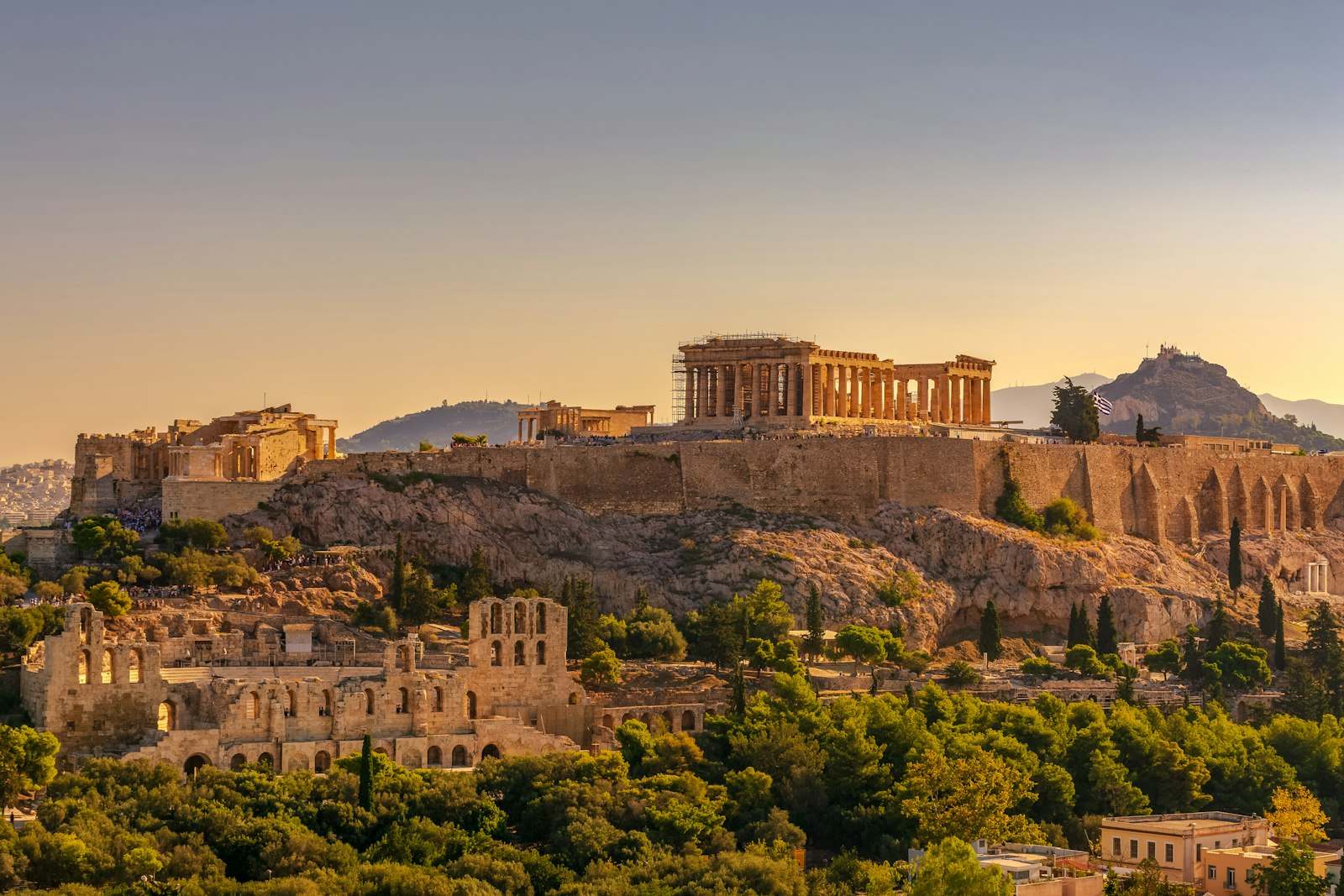
Choose Athens if the classical world is a reason for the trip rather than a box to tick. The Acropolis is the thing that does not transfer: the Parthenon on its rock over the city, the museums beneath it, and a historic core you can cross on foot from Plaka up through the Ancient Agora. That core is what things to do in Athens starts with, and the Acropolis is where most people begin.
The second reason is logistical, and it decides more trips than the first. Athens is the country’s hub. The ferries to most of the Aegean leave from Piraeus and Rafina, the domestic flight network fans out from the airport, and a train and bus network reaches the mainland. If the islands are anywhere in your plan, you will pass through Athens, which is the argument for giving it its days at the start rather than bolting them on. Our island ferries guide is the companion to that decision.
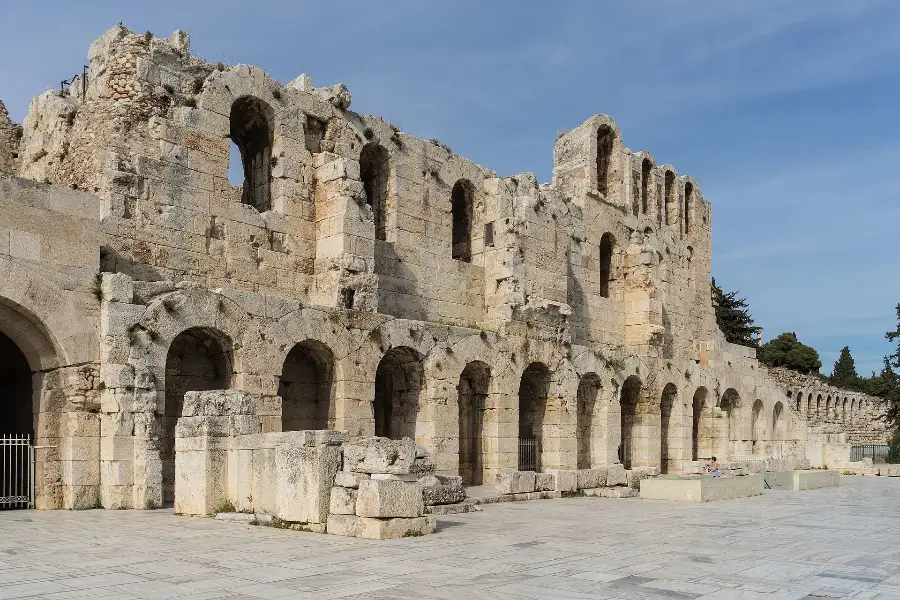
It is a big capital, and that cuts both ways. There is more to do across more days, more to eat, and more to fall back on when it rains or the heat drives you indoors. It is also spread out and loud in a way Thessaloniki is not. The airport is joined to the centre by metro, so a car is a liability here rather than a help. The Athens guide works through the neighbourhoods and the days.
What Thessaloniki is for: the food, the depth and the north
Choose Thessaloniki if you would rather settle into a city than march through one. It eats better than any other city in Greece, Athens included, and the honest way to use it is to plan the days around the meals rather than around the sights: bougatsa in the morning, the covered markets mid-morning, meze that stretches an evening after dark. That is the whole argument, and the Thessaloniki guide makes it at length.
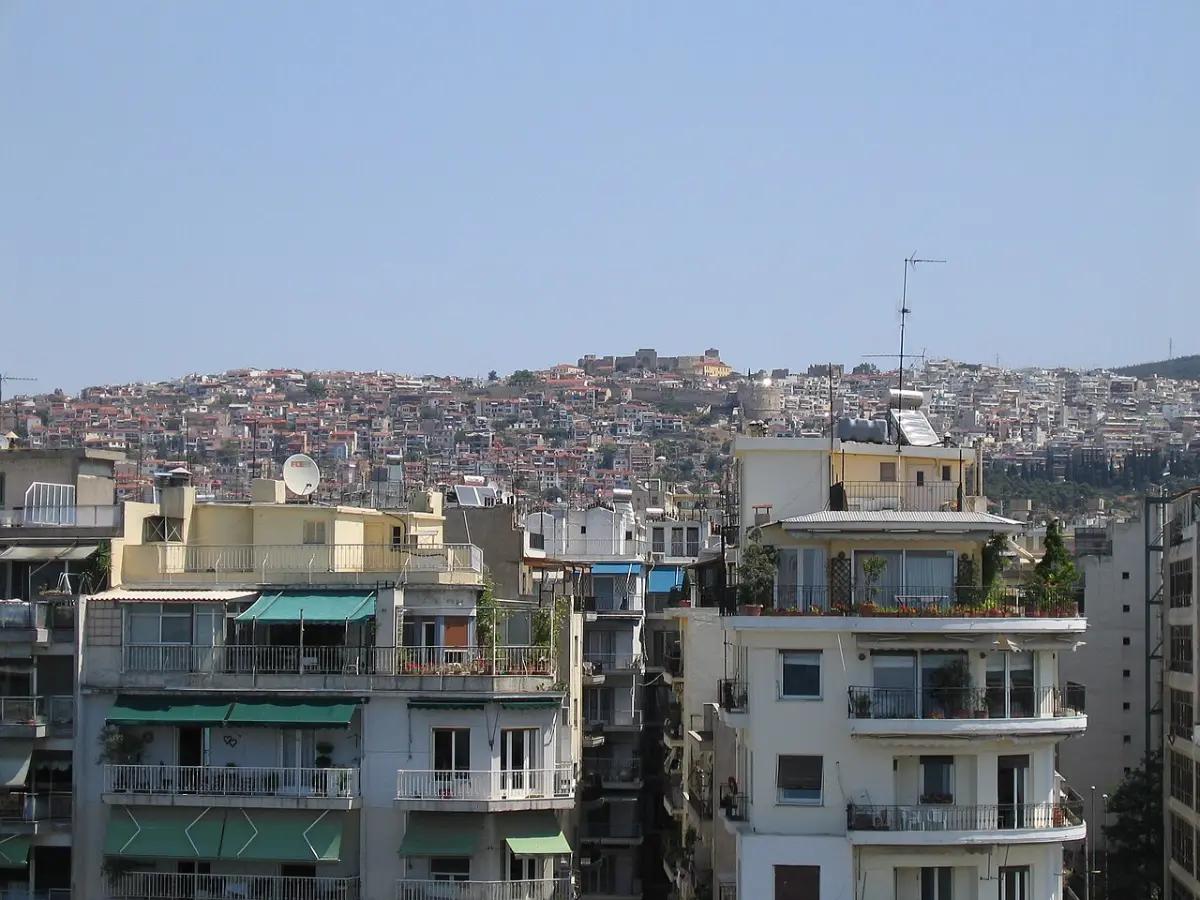
The history is the second draw, and it is a different history from the capital’s. Athens is the ancient headline; Thessaloniki is layers. The best of it lines up along a single uphill walk from the White Tower on the seafront up through the Roman and Byzantine monuments into Ano Poli, the upper town of Ottoman-era lanes that survived the Great Fire of 1917. For more than four centuries this was an Ottoman city, and the Byzantine churches are a UNESCO World Heritage listing, though the listing covers a specific set of them rather than the whole city. The detail is on the Thessaloniki attractions page, and the White Tower is where the walk begins.
The third reason is what lies beyond it. Thessaloniki’s hinterland beats any island’s: Meteora’s monasteries by train, Mount Olympus on foot, the royal tombs at Vergina underground, and the pine-and-sand beaches of Halkidiki a committed day trip away. If the Greek north is your direction rather than the Aegean, this is the base for it.
Food: good in Athens, the whole point in Thessaloniki
Both cities eat well, and if that were the only axis it would still not be close. Athens has a serious, fast-improving food scene, and you will eat memorably there. Thessaloniki is the eating capital, and the difference is not a handful of standout restaurants but the texture of an ordinary day: the bakeries, the two covered markets a short walk apart in the centre, the meze culture that treats a long shared table as the point of the evening rather than a delay to it.
We name streets and quarters rather than restaurants, because the places change hands between seasons and the streets do not. What does not rot is the pattern, and the pattern is the reason to weight this city heavily if a trip is measured in meals. For the wider ground, Greek food and drink sets out what to order anywhere in the country.
Getting there, and getting around each
Both cities are easy to reach and easy to cross without a car, and the detail differs in ways worth knowing.
Athens joins its airport to the centre by metro, so most visitors never touch a car, and the historic core is walkable once you are in it. Getting around Greece covers the mechanics.
Thessaloniki is smaller and flatter and even more of a walking city, and it now has a metro of its own: Line 1 opened at the end of 2024, which is news many older guides have not caught up with. Its airport, SKG, sits southeast of the centre.
Between the two, you fly or you take the train, and the train is the more interesting option: it runs city centre to city centre in roughly four and a half to five hours, which turns the journey into part of the trip rather than a transfer to endure. Flights to Greece covers the air side, including that SKG is a second international gateway rather than only a domestic one.
The islands: the fact that decides a lot of trips
This is the axis that quietly settles the question for anyone whose Greece includes the sea. Athens is the island gateway. Thessaloniki is not.
From Athens, the ferries to most of the Aegean leave from Piraeus and Rafina, and the domestic flight network reaches the rest. From Thessaloniki, the honest position is that it is not an island-hopping base and pretending otherwise costs you a day: it has a couple of real neighbours reachable by boat, a summer-only Sporades link whose frequency has varied from season to season, and for the Cyclades the answer is to fly. If island time is the centre of the trip, Athens is the mainland end of it, and the islands overview is where that planning starts.
Cost: a capital premium, not a season one
Neither city is expensive by the standards of a Western European capital, and the difference between them is structural rather than seasonal. Athens is a large capital carrying international demand across the whole year, and the caldera-style premium does not apply here, but the general pull of a bigger, more-visited capital on rooms and restaurants does. Thessaloniki is a smaller city with a lower baseline, and it tends to cost less for the same standard.
We print no figures, because a number typed here is wrong by next season and because the mechanism is the durable part. What a Greece trip costs is where the money question is worked through properly, for both cities and the islands beyond them.
When to visit each
Both are year-round cities, and they differ in what the shoulder and winter seasons feel like. For either, late spring and early autumn are the sweet spot: warm days, thinner crowds, and in Thessaloniki a sea still swimmable late in the season. The best time to visit Greece has the month-by-month detail.
The differentiator is winter. The islands close; these cities do not. Athens keeps its full run of museums and indoor life through the cold months. Thessaloniki has a real continental winter and a festival season to match, including its International Film Festival, so a November trip there is a different and genuinely alive proposition rather than an off-season compromise. Pack for the north if you go then: coat weather arrives by November.
Which city your trip should be built around
Build around Athens for a first Greece trip, for the classical world, and for any itinerary that touches the islands, because it is the gateway and the ancient headline in one place. Build around Thessaloniki if food and layered history rank above postcard monuments, or if your Greece runs north into Meteora, Olympus and Halkidiki rather than out to the Aegean.
The move that beats choosing is not to. A mainland route with two days in each, joined by the train, is the strongest first trip that skips the islands, and it gives each city the time it actually needs. Start that from the Athens guide and the Thessaloniki guide, or fold both into a longer plan with the Greece itineraries.
Last checked July 2026. What gets re-checked here: the Thessaloniki metro, which is newly open, and the Athens-Thessaloniki train timing, which is carried as an approximate range. No hotel or restaurant name, price, fare, journey time in exact minutes, or neighbourhood safety rating appears on this page by design.

Diagram by Greece Trips. Free to reuse with credit - CC BY 4.0.
Quick answers
Is Athens or Thessaloniki better to visit?
Neither is better outright, and it depends on the trip. Athens has the singular ancient monument, the Acropolis, and it is the gateway to the islands. Thessaloniki is Greece’s eating capital, with a layered Byzantine and Ottoman history and easy routes north to Meteora, Olympus and Halkidiki. Choose Athens for the classical world and the islands, Thessaloniki for food and the north.
Is Thessaloniki worth visiting if you have seen Athens?
Yes, and it is a genuinely different city rather than more of the same. Athens is the classical headline; Thessaloniki is layers, food and a walkable seafront on one bay. If you liked Athens for its monuments you will find Thessaloniki quieter and less monumental; if you liked it for the streets, the markets and the eating, Thessaloniki does that better than anywhere in Greece.
How many days do you need for both Athens and Thessaloniki?
Two focused days each is the honest minimum, so four days plus the travel between them, and the train between the two cities runs roughly four and a half to five hours. Two days covers Athens’s historic core and two covers Thessaloniki’s monument walk, markets and waterfront. Add a day at either end for a day trip and you have a strong week on the mainland with no island time at all.
Can you get to the Greek islands from Thessaloniki?
Not the way you can from Athens. Thessaloniki has a couple of nearby island neighbours reachable by boat and a summer-only link to the Sporades, but for the Cyclades and most of the Aegean the answer is to fly, or to route through Athens, which is where the main ferry ports and the domestic flight hub are. If the islands are the centre of the trip, base the mainland leg on Athens.
Which city is cheaper, Athens or Thessaloniki?
Thessaloniki tends to cost less for the same standard, because it is a smaller city with a lower baseline than a large international capital. We print no figures, because they date within a season; the mechanism is the durable part, and the money question across both cities and the islands is worked through in our guide to what a Greece trip costs.
Is Athens or Thessaloniki better for food?
Thessaloniki, clearly, and it is the one axis where the answer is not close. Athens eats very well and is improving fast, but Thessaloniki is Greece’s eating capital: the bakeries, the two covered markets in the centre and the meze culture make an ordinary day there better on a plate than anywhere else in the country. If a trip is measured in meals, weight Thessaloniki heavily.