Mani
Things to do in Mani
The Mani is the middle of the three peninsulas hanging off the southern Peloponnese, and it is the hardest country in mainland Greece: bare limestone, thin soil, almost no trees, and the Taygetos range running down its spine into the sea. It is also the one Greek landscape that looks fortified from a distance, because it is. Everything worth seeing here follows from that.
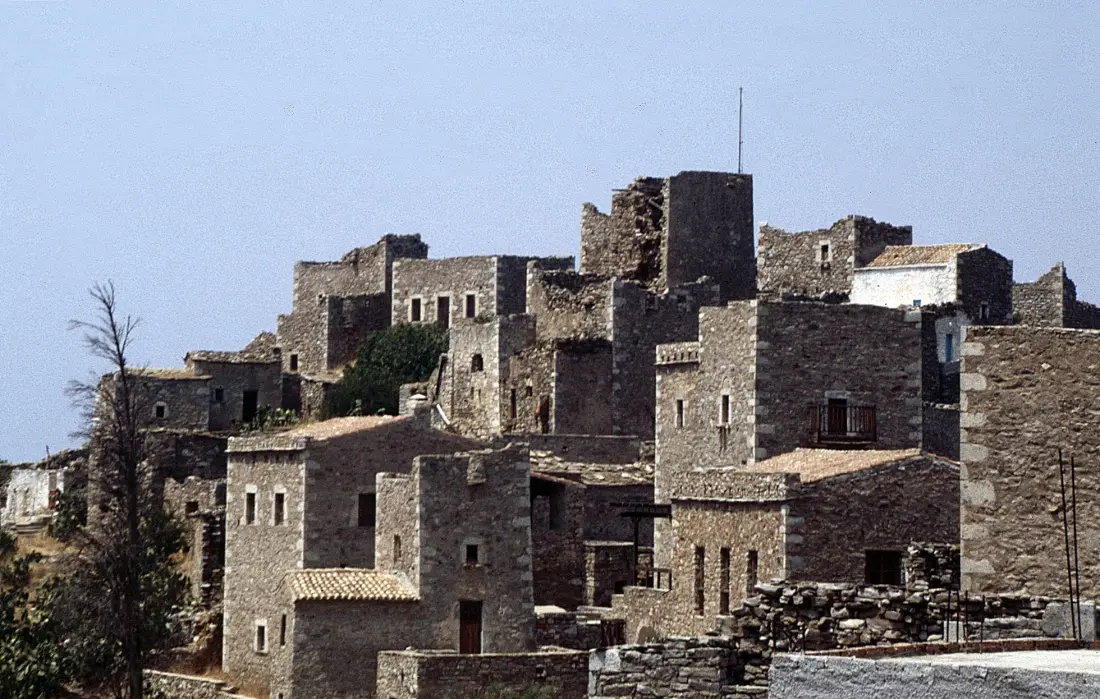
The towers, and why they are the shape they are. Maniot families built stone tower houses, four or five storeys, windowless at the bottom, and used them against each other. Vendettas between clans ran for generations, and the height of your tower mattered because you fought from the top of it. That is the whole explanation for the skyline, and it is a great deal grimmer than the postcards suggest.
Vathia, which is the famous one. A cluster of towers on a bare hill on the ridge in the deep south, mostly roofless, and utterly unlike anywhere else in Greece. Kitta, Gerolimenas and Areopoli all have towers too, and many have been converted into small hotels, which is how a lot of visitors end up sleeping in one.
The three Manis, which are genuinely different places. Outer or Messenian Mani in the northwest, around Kardamyli and Stoupa, is the green, gentle end with olive groves and good beaches. Inner or Deep Mani in the south, beyond Areopoli, is the bare, tower-studded, spectacular part. Laconian Mani on the east coast is the emptiest. Choosing between them is the main decision a Mani trip requires, and a lot of disappointment comes from people booking the green end while picturing the bare one.
Areopoli, the effective capital. A stone town with a good square, and the practical centre of the deep south.
Cape Tainaron, at the very tip. A lighthouse, a Roman mosaic and one of the ancient entrances to the underworld. Standing at the southernmost point of mainland Greece, at a place the ancients treated as a gate out of the world, is worth the drive down for its own sake.
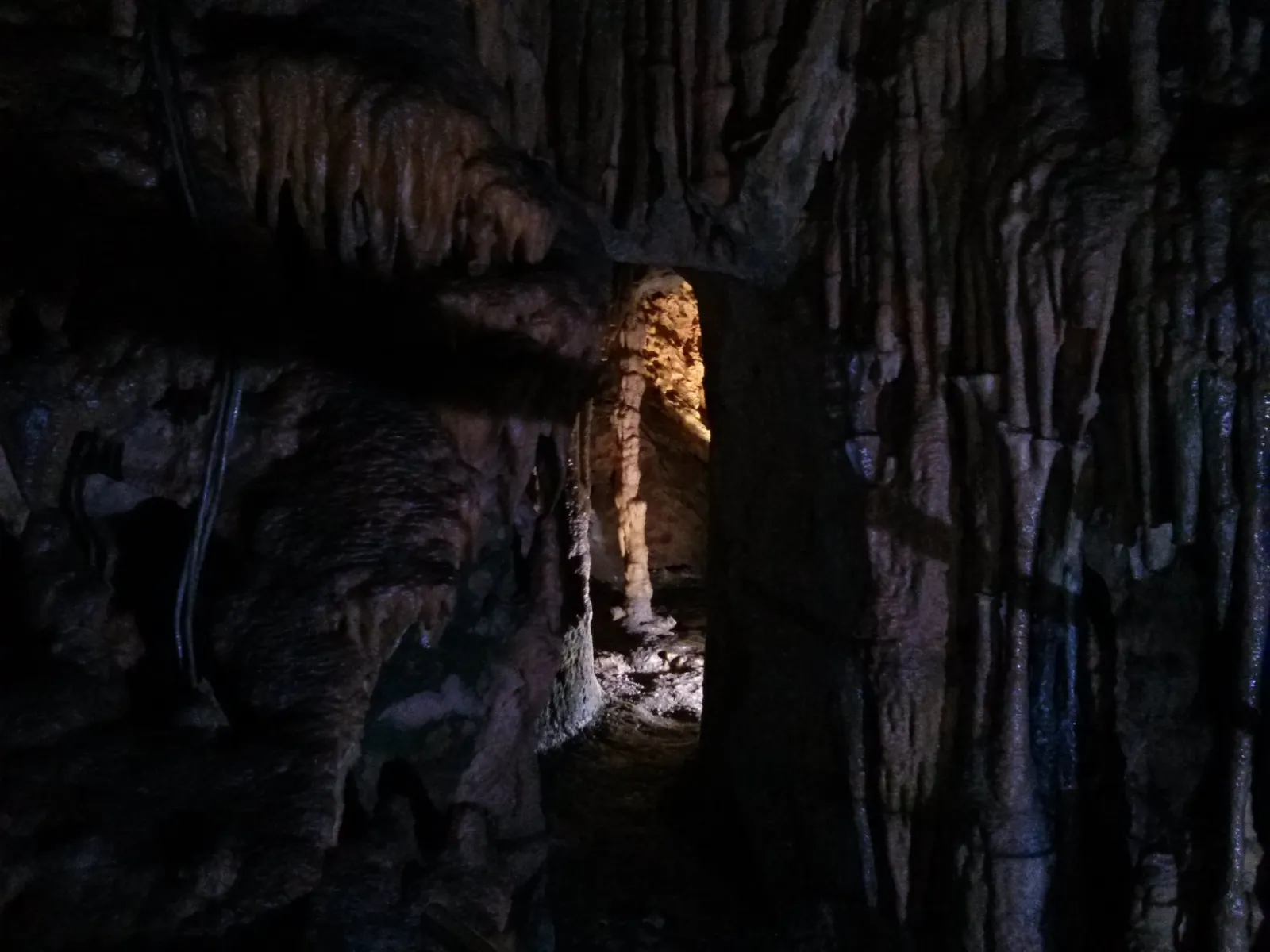
The Diros caves, which are unusual in how you see them. Near Areopoli, among the best in Greece, and much of the visit is by boat along an underground river, through chambers of stalactites, with a short walk at the end. A cave you travel through by water is a genuinely different experience from a cave you walk through.
The Byzantine chapels, which are everywhere. The Mani is dense with small Byzantine churches, many from the tenth to thirteenth centuries, standing alone in fields or in villages, often with frescoes. Most are locked. Asking in the village is the traditional way in, and that is the honest instruction rather than a promise: nobody can tell you in advance which will be open.
What the peninsula asks of you. By road from Kalamata in the northwest or Sparta in the northeast, both under two hours to Areopoli, and a car is essential. Four nights: the distances are short and the roads are slow, which is a combination that catches people out. Our Mani guide has the practicalities and the beaches cover the green end and the bare one.